
The need for effective sterilization methods in clinical and research laboratories is more critical than ever, especially in the context of emerging infectious diseases and heightened biosafety considerations. Laboratories face significant challenges regarding biosafety protocols, contamination control, and the overall efficiency of sterilization workflows. As laboratory spaces become increasingly technical and safety-focused, the introduction of advanced sterilization technologies is imperative to mitigate these challenges.
Technical Principles of Micro Incinerators
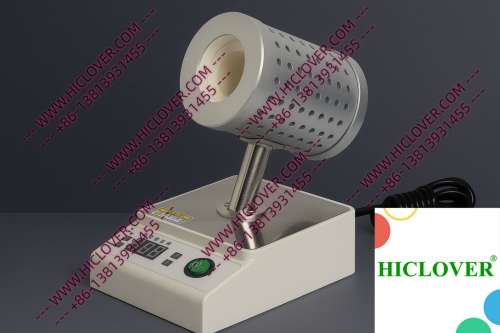
Among these innovations is the Micro Incinerator, or Infrared Inoculating Loop Sterilizer, which has set a new standard in laboratory sterilization equipment. Utilizing high-temperature infrared heat for rapid thermal sterilization, this device offers an enclosed ceramic heating chamber that effectively eliminates microbial contaminants without the risks associated with traditional flame sterilization methods.
The infrared technology operates by emitting focused, rapid heating that delivers consistent temperatures that can reach up to 850 °C. This method not only accelerates the sterilization process but also ensures that aerosols and surface contaminants are effectively neutralized. The enclosed structure of the ceramic tube further enhances safety by providing a clean-bench-safe design, eliminating the need for open flames that can compromise sterile environments.
Applications in Real Laboratories
Micro Incinerators are versatile and can be deployed in various laboratory environments, including:
- Biosafety Cabinets: In BSL-2 and BSL-3 microbiology labs, where aerosols can pose serious health risks, Micro Incinerators provide a reliable method for sterilizing inoculating loops and other tools while maintaining a sterile working environment.
- Teaching Labs: In university settings, where demonstrations of sterility are essential, these devices enable students to observe effective sterilization methods in real-time without the dangers associated with traditional flame approaches.
- Mobile Field Testing: When field conditions prevent the use of conventional lab setups, a portable Micro Incinerator allows for immediate sterilization of equipment, ensuring that analyses remain uncontaminated.
Compliance and Environmental Considerations
Globally accepted standards for laboratory sterilization, including those from the World Health Organization (WHO), highlight the importance of strict biosafety protocols in laboratory operations. Equipment like the Micro Incinerator contributes to compliance with these standards, particularly in cleanrooms where the presence of open flames (such as those from Bunsen burners or alcohol lamps) is not permitted.
Moreover, the infrared sterilization method aligns with environmental safety standards by reducing carbon emissions typically associated with combustion-based sterilizers. In light of these regulations, the adoption of Micro Incinerators is not only a matter of safety but also a commitment to sustainability.
Comparison to Traditional Flame Sterilizers
Feature Micro Incinerator (Infrared) Traditional Flame Sterilizer
Heat Source Infrared ceramic heating Open flame (Bunsen/alcohol)
Contamination Control Aerosol-free, clean-bench-safe Aerosol generation risk
Speed of Sterilization Immediate, high temperature Variable, reliant on user skill
Portability Highly portable Less portable, needs gas/ethanol
Environmental Impact Low emissions Higher emissions
Frequently Asked Questions
- What makes the Micro Incinerator safer than traditional flame sterilizers?
The Micro Incinerator uses infrared technology, significantly reducing the risk of fire hazards and aerosol generation, promoting a safer working environment, especially in close quarters.
- How quickly can I sterilize tools with a Micro Incinerator?
The infrared design enables immediate sterilization, allowing for enhanced workflow and reduced waiting time compared to traditional methods.
- Can the Micro Incinerator be used in field settings?
Yes, its portability and ease of use make it ideal for mobile testing environments where immediate sterilization is necessary.
- What are the energy requirements for a Micro Incinerator?
Micro Incinerators are typically designed for low energy consumption, making them efficient for extended use in laboratory settings.
- Is the Micro Incinerator compliant with WHO sterilization standards?
Yes, it meets international sterilization standards set forth by WHO, making it a compliant choice for sterile lab environments.
Conclusion
As the laboratory landscape continues to evolve with a focus on biosafety and efficient sterilization workflows, the Micro Incinerator or Infrared Inoculating Loop Sterilizer emerges as a cutting-edge solution tailored to meet these needs. Its rapid thermal sterilization capabilities, aerosol-free design, and compliance with the latest safety standards make it an essential addition to any laboratory setting, from teaching labs to clinical diagnostics and BSL-3 facilities.
Elevate your laboratory’s sterilization processes and contact us today to learn more about how the Micro Incinerator can seamlessly integrate into your workflow and enhance safety and efficiency!
Categories:
Tags: