
As modern microbiological laboratories strive for higher standards of biosafety and efficiency, they face numerous challenges in their sterilization workflows. Traditional flame sterilizers such as alcohol lamps and Bunsen burners, while widely used, can introduce risks of contamination and inconsistencies in high-demand environments. In this context, advanced sterilization technologies such as the Micro Incinerator and Infrared Inoculating Loop Sterilizer come to the forefront, offering safe, efficient, and reliable solutions for contamination control in a variety of laboratory settings.
Technical Principles of Micro Incinerators
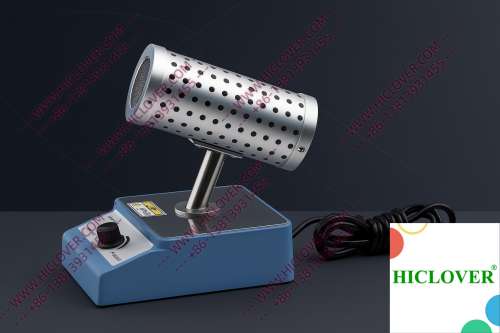
The core functionality of a Micro Incinerator hinges on its innovative use of infrared heat. Unlike traditional flame sterilizers, which can produce hazardous aerosols and require open flames, Micro Incinerators employ a highly efficient enclosed ceramic tube. This tube generates rapid thermal sterilization through a concentrated infrared beam that achieves high temperatures upwards of 800°C. The enclosed design minimizes the risk of contamination, making it ideal for sensitive environments such as BSL-2 and BSL-3 microbiology labs.
- Efficient Heating: Infrared technology ensures a rapid heating time, allowing quick sterilization of inoculating loops and other small instruments.
- Safety-First Approach: The absence of an open flame provides a clean-bench-safe environment, critical for sterile work conditions.
- Compact and Portable Design: Micro Incinerators are typically lightweight and small, facilitating easy transport and use in field testing scenarios.
Real-World Applications in Laboratory Settings
1. Biosafety Cabinets
In biosafety cabinets, maintaining a sterile environment is crucial for microbiological research and disease control. Micro Incinerators fit seamlessly into this setup, ensuring rapid thermal sterilization of inoculating loops without the contamination risks associated with traditional flame sterilizers. The infrared heat effectively eradicates microbial life while preserving the integrity of the cabinet’s sterile space. Researchers can confidently handle cultures with minimized contamination risk, enhancing the reliability of experimental results.
2. University Teaching Labs
In academic settings like university teaching labs, the Micro Incinerator serves as an invaluable tool. Students learning about microbiological techniques benefit from extra layers of safety and efficiency. With its user-friendly interface and quick heat-up time, instructors can demonstrate proper sterile techniques without the complications of open flames, which can be particularly daunting for beginners. Moreover, the consistent temperature production ensures that students achieve reliable results repeatedly, allowing them to focus more on the learning experience.
Compliance and Environmental Considerations
With the increasing emphasis on laboratory safety and compliance, the Micro Incinerator aligns closely with international standards, including WHO biosafety guidelines. These guidelines promote practices that ensure minimal contamination risk, making Micro Incinerators a preferred choice in facilities that adhere to strict biosafety regulations. Unlike traditional flamesters which release combustion by-products, the enclosed heating solution of Micro Incinerators protects clean room environments and complies with lab sterilization standards. Furthermore, their use becomes critical in spaces where no flame is permitted, such as CO₂ incubator or anaerobic chamber operations.
| Feature | Micro Incinerator | Traditional Flame Sterilizer |
|---|---|---|
| Heating Method | Infrared | Open Flame |
| Contamination Risk | Very Low | High |
| Portability | High | Moderate |
| Heat-up Time | Seconds | Minutes |
| Suitable for Field Use | Yes | No |
FAQs About Micro Incinerators
What is a Micro Incinerator, and how does it work?
A Micro Incinerator is an advanced sterilization device that uses infrared heat to quickly and effectively sterilize inoculating loops and small instruments within seconds. Its enclosed ceramic tube ensures a safe and efficient heating process.
How does a Micro Incinerator compare to traditional flame sterilizers?
Micro Incinerators offer several advantages over traditional flame sterilizers, including reduced contamination risk, rapid heating times, and suitability for clean environments without producing hazardous aerosols.
Are Micro Incinerators safe to use in university settings?
Yes! Micro Incinerators are designed with safety in mind and their use eliminates the risks associated with open flames, making them ideal for university teaching labs.
Can I use a Micro Incinerator in a BSL-3 lab?
Absolutely! Micro Incinerators are well-suited for use in BSL-2 and BSL-3 labs, adhering to biosafety compliance guidelines and ensuring effective sterilization without compromising safety.
How do I maintain a Micro Incinerator?
Routine maintenance involves cleaning the ceramic tube to prevent residue buildup. Regular inspections also ensure that the device operates efficiently and safely over time.
Conclusion
As the demands for biosafety and sterilization in clinical diagnostics and microbiological research continue to escalate, transitioning to the Micro Incinerator represents a significant advancement in laboratory practices. This cutting-edge technology not only enhances workflow efficiency but also ensures strict compliance with global safety standards. For laboratories seeking to bolster their contamination control protocols, investing in a Micro Incinerator will prove invaluable. If you’re ready to transform your sterilization processes, contact us today to explore the possibilities with our advanced sterilization solutions.
Categories:
Tags: