
In the intricate world of microbiology, researchers face substantial biosafety challenges daily. The need for rapid and effective sterilization has never been more critical, especially in environments that demand contamination control, such as BSL-2 and BSL-3 laboratories. Traditional flamers like alcohol lamps and Bunsen burners, while common, introduce risks associated with open flames and are often inefficient in their sterilization workflows. This article delves into advanced sterilization methods, with a particular focus on the Micro Incinerator, or Infrared Inoculating Loop Sterilizer, and how it addresses these pressing challenges.
Understanding the Technical Principles of Infrared Sterilization
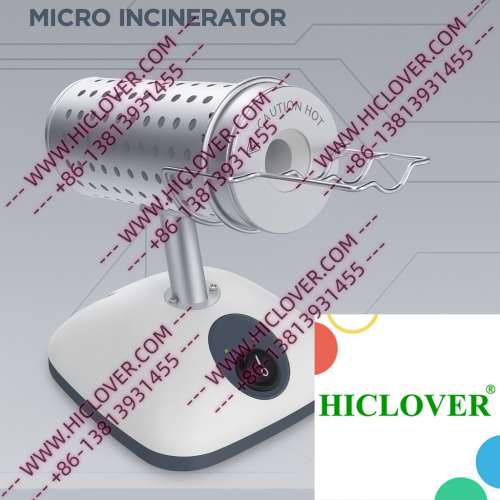
Infrared technology offers a modern solution to the age-old problem of sterilization. The Micro Incinerator operates using infrared high-temperature disinfection, achieved through a ceramic heating chamber. When an inoculating loop or other instruments are placed in the enclosed ceramic tube, they are subjected to rapid thermal sterilization. This method ensures that the instruments reach necessary temperatures (often exceeding 800°C) almost instantly, effectively killing pathogens without the risk of flame-related contamination or aerosol generation.
Applications in Real Laboratories
Effective sterilization methods find their applications in various laboratory settings. Below are two scenarios demonstrating the efficacy of the Micro Incinerator:
1. Biosafety Cabinets
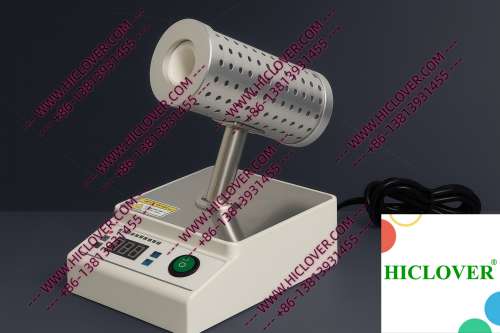
Biosafety cabinets are designed to protect both laboratory personnel and the samples being worked with. The Micro Incinerator can be used within these enclosed environments, offering a flame-free alternative that ensures the surrounding area remains free from aerosols. The rapid sterilization process allows researchers to minimize downtime between experiments, ensuring a continuous workflow without compromising safety.
2. Field Testing and Educational Purposes
In mobile or field testing labs, the Micro Incinerator proves invaluable due to its portability and ease of use. Educators in university teaching labs find this device particularly useful as it allows students to engage in practical sterilization techniques without the hazards of flames. The reliability of this equipment promotes safer educational practices while instilling proper sterilization protocols among future scientists.
Compliance and Environmental Standards
Adherence to strict biosafety standards is critical in microbiology and clinical diagnostics. Organizations such as the World Health Organization (WHO) have outlined stringent recommendations regarding laboratory sterilization and safe handling of potentially infectious materials. The Micro Incinerator meets these standards by eliminating the risk presented by open flames, which is especially important in clean room environments. Moreover, regulatory bodies emphasize environmentally responsible practices, and the absence of chemicals like alcohol in this method aligns well with sustainable lab operations.
Comparison: Micro Incinerator vs. Traditional Flame Sterilizers
| Feature | Micro Incinerator | Flame Sterilizers (e.g., Bunsen Burner) |
|---|---|---|
| Temperature Control | Rapid and consistent high temperatures | Variable, dependent on user skill |
| Aerosol Generation | Minimal to none | Significant risk |
| Ease of Use | Straightforward and quick | Requires training and experience |
| Fire Hazard | Low | High |
Frequently Asked Questions
- What is a Micro Incinerator? A Micro Incinerator, or Infrared Inoculating Loop Sterilizer, is a device that heats instruments rapidly to high temperatures to sterilize them effectively.
- How does infrared sterilization differ from traditional methods? Infrared sterilization uses enclosed heating elements to achieve steady, high temperatures without the risks associated with open flames.
- Can a Micro Incinerator be used in field testing? Yes, its portability and efficient sterilization make it ideal for field testing scenarios.
- Is the Micro Incinerator compliant with WHO standards? Yes, it adheres to the biosafety recommendations set forth by organizations like WHO by functioning without open flames.
- What are the safety benefits of using a Micro Incinerator? It reduces the risk of fires, eliminates aerosols, and offers fast sterilization, promoting a safer laboratory environment.
Conclusion
As microbiology research evolves, so too must the techniques employed in the laboratory. The Micro Incinerator represents a substantial leap forward in sterilization technology, addressing the critical challenges posed by traditional flame sources while ensuring compliance with international safety standards. Laboratories seeking to enhance their biosafety protocols and improve workflow efficiency should consider integrating this innovative equipment into their practices. For more information on how to obtain a Micro Incinerator for your lab, feel free to reach out with any inquiries, and take a definitive step towards a safer research environment.
Categories:
Tags: