
In the realm of laboratory biosafety, effective contamination control is paramount. Biosafety challenges often stem from the risk of microbial cross-contamination, whether from biological samples or personnel. To mitigate these challenges, laboratories rely on both biological safety cabinets (BSCs) and sterilization equipment, notably Micro Incinerators and Infrared Inoculating Loop Sterilizers. This article delves into the technical principles and workflows associated with these critical sterilization devices, illustrating how they complement biological safety cabinets for enhanced laboratory performance.
Understanding Infrared Sterilization
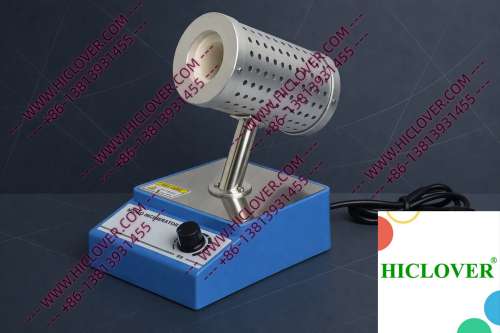
The Micro Incinerator employs an innovative infrared heat mechanism to achieve rapid thermal sterilization. Unlike traditional methods that utilize flames, this advanced equipment features an enclosed ceramic heating chamber. By directing infrared rays, the device raises temperatures instantly, ensuring high-temperature disinfection without producing harmful aerosols. This is critically advantageous in clean environments where contamination must be absolutely mitigated.
Technical Specifications of the Micro Incinerator
- Heating Element: Infrared radiant technology
- Temperature Range: Up to 900°C
- Design: Compact with a lightweight structure for portability
- Safety Features: Touch and flame-free operation, minimizing risks in high-containment labs
- No open flames in sterile environments to prevent contamination.
- Use of certified sterilization devices like micro incinerators to comply with laboratory sterilization standards.
- Adoption of equipment that conforms to laboratory biosafety levels (BSL) 1-3 guidelines.
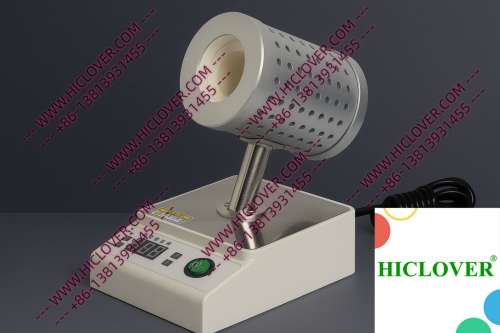
This configuration not only enhances the efficiency of sterilization but also aligns with modern laboratory requirements for safety and regulatory compliance.
Applications: Real-World Scenarios
Consider a BSL-2 laboratory engaged in microbiological research. Here, the Micro Incinerator provides a land of opportunities for effective sterilization of inoculating loops and other tools used during experiments. With the safety cabinet in place, researchers benefit from a clean airflow that prevents airborne contaminants, while the sterilizer quickly sanitizes tools, ensuring that samples remain uncontaminated.
Another relevant scenario is a university teaching lab, where students experiment with cultures. Utilizing a Micro Incinerator within enhanced biosafety cabinets allows for a seamless workflow where students can safely sterilize their equipment before and after use, fostering an educational environment focused on safety and hygiene practices.
Compliance: Meeting Global Standards
Compliance with international biosafety standards is critical. Bodies such as the World Health Organization (WHO) outline protocols that laboratories must follow to ensure safety in the handling of biological materials. For example:
Particularly in regions such as the European Union and North America, the adherence to these standards is crucial for laboratory accreditation and operational legitimacy.
Advantages of Micro Incinerators Over Traditional Flame Sterilizers
| Feature | Micro Incinerator | Flame Sterilizers |
|---|---|---|
| Safety | Flame-free operation minimizes risk of burns and contamination | Open flames pose a risk for fire hazards |
| Efficiency | Quick sterilization (seconds) with consistent heat | Time-consuming, requires careful manipulation |
| Aerosol Production | No aerosol creation, compatible with clean environments | May produce aerosols, increasing contamination risk |
Frequently Asked Questions
1. What are the primary benefits of using Micro Incinerators in labs?
Micro Incinerators offer rapid sterilization, safety from open flames, and reduced aerosol contamination risk, making them ideal for high-containment environments.
2. Can Micro Incinerators be used in teaching laboratories?
Yes, they are perfect for educational settings, allowing students to practice safe sterilization techniques without the risk posed by flames.
3. Are there specific guidelines for using sterilizers in BSL-2 labs?
BSL-2 labs must adhere to stringent safety protocols, including the use of appropriate sterilization devices without open flames and maintaining cleanliness protocols.
4. How do Infrared Inoculating Loop Sterilizers work?
They utilize infrared technology to rapidly raise the temperature of the sterilizing element, enabling instant disinfection of tools without producing harmful by-products.
5. What factors should be considered when selecting sterilization equipment?
Consider the equipment’s compliance with biosafety standards, efficiency, safety features, and suitability for the specific applications in your lab.
Conclusion
In summary, the harmonious integration of Micro Incinerators with Biological Safety Cabinets forms a robust framework for enhanced contamination control in various laboratory settings. By embracing these advanced sterilization technologies, laboratories can uphold the highest standards of safety and efficacy. For those seeking to elevate their lab practices and ensure compliance with international standards, investing in a Micro Incinerator or Infrared Inoculating Loop Sterilizer is a step forward in quality and reliability. Contact us today to explore options tailored to your specific laboratory needs!
Categories:
Tags: