
In modern laboratory environments, the efficiency and reliability of sterilization processes can significantly impact research outcomes and operational safety. Labs are continually challenged by the need for robust biosafety protocols, contamination control, and the demand for swift, reliable sterilization methods. Traditional flame sterilizers like Bunsen burners or alcohol lamps often fall short in terms of safety and practicality, necessitating a compelling alternative.
The Micro Incinerator, or Infrared Inoculating Loop Sterilizer, emerges as a sophisticated and low-maintenance solution designed to meet the rigorous demands of laboratory sterilization. This equipment employs infrared heat to achieve rapid thermal sterilization, ensuring safety and efficiency without the hazards associated with an open flame. In this article, we’ll explore its technical principles, applications across various laboratory settings, compliance with stringent biosafety standards, and its advantages over traditional sterilizers.
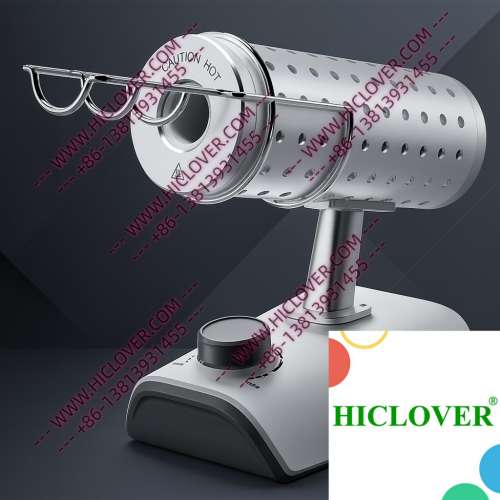
Understanding the Micro Incinerator: Technical Principles
The Micro Incinerator operates using a fully enclosed ceramic tube that generates high temperatures through infrared heating. This method allows for precise, direct heat application to inoculating loops and other instruments, effectively eliminating microbes and contaminants with exceptional speed.
The principles governing infrared high-temperature disinfection mean that the sterilization is both rapid and effective, requiring only seconds to achieve a sterile state. Furthermore, the design of the Micro Incinerator minimizes the production of aerosols, thereby enhancing safety in biosafety cabinets or other clean environments where contamination control is critical.
Applications Across Various Laboratory Settings
With its notable efficiencies, the Micro Incinerator is versatile enough to address a range of laboratory contexts. Below are two prominent application scenarios:
- Biosafety Cabinet Operations: Within BSL-2 and BSL-3 microbiology labs, the Micro Incinerator serves an essential role in sterilizing inoculating loops and needles. Its rapid thermal sterilization capabilities ensure that researchers can move swiftly through experiments without compromising biosafety.
- Teaching Laboratories: In university teaching labs, where students require frequent interactions with sterile environments, the Micro Incinerator provides a clean bench-safe alternative to traditional flame sterilizers. This equipment allows students to observe sterilization processes in real-time without the risks associated with flames.
Compliance and Safety Standards
Adhering to laboratory sterilization standards is paramount. Compliance with guidelines set by the World Health Organization (WHO) and national biosafety standards is crucial for laboratory operations. Utilizing a Micro Incinerator not only meets these requirements but also ensures safer practices by eliminating open flames, which can be hazardous in clean rooms and other controlled environments. Its use also mitigates risks associated with aerosol generation, making it a preferred choice in clinical diagnostics and research settings.
Advantages Over Traditional Flame Sterilizers
While traditional flame sterilizers have been staples in many laboratories, the limitations and risks they pose are significant. Here’s a comparison that highlights the advantages of the Micro Incinerator.
| Feature | Micro Incinerator | Traditional Flame Sterilizers |
|---|---|---|
| Temperature Control | Precise infrared heating | Variable, dependent on user skill |
| Maintenance | Low, minimal upkeep required | High, regular refueling and cleaning |
| Aerosol Generation | Minimal | Significant, increases contamination risk |
| Safety | Flame-free operation | Fire hazards present |
Frequently Asked Questions
- What is the main advantage of using a Micro Incinerator over a traditional sterilizer?
The primary advantage is the increased safety and efficiency; the Micro Incinerator operates without open flames, reducing fire hazards and contamination risks. - How quickly can the Micro Incinerator achieve sterilization?
It typically takes just seconds for the Micro Incinerator to achieve rapid thermal sterilization, making it ideal for fast-paced laboratory environments. - Is the Micro Incinerator suitable for field testing?
Yes, its lightweight and portable design make the Micro Incinerator a suitable choice for mobile and field testing laboratories. - How does the disinfecting capability of the Micro Incinerator compare to alcohol flames?
The Micro Incinerator offers more consistent and higher temperatures than alcohol flames, ensuring reliable microbial destruction without the risks associated with open flames. - Can I use the Micro Incinerator in a clean room environment?
Absolutely. The Micro Incinerator is designed for use in clean rooms, as its enclosed system minimizes aerosol generation and enhances contamination control.
Conclusion
Investing in a Micro Incinerator or Infrared Inoculating Loop Sterilizer offers laboratories a transformative approach to sterilization that enhances both safety and workflow efficiency. By shifting away from traditional flame sterilizers, you can ensure compliance with biosafety standards while reducing operational risks. Discover how the Micro Incinerator can upgrade your sterilization processes today. For detailed product information and sourcing, contact us now!
Categories:
Tags: