
In microbial research, maintaining a sterile environment is paramount to prevent contamination that could compromise experimental results. Traditional sterilization methods, such as alcohol lamps and Bunsen burners, pose numerous biosafety challenges, from the generation of aerosols to the risk of fire. Laboratories today are increasingly turning towards advanced sterilization solutions. One such innovation is the Micro Incinerator, or Infrared Inoculating Loop Sterilizer, which offers rapid thermal sterilization while addressing key laboratory sterilization demands.
Technology and Principles Behind Infrared Inoculating Loop Sterilizers
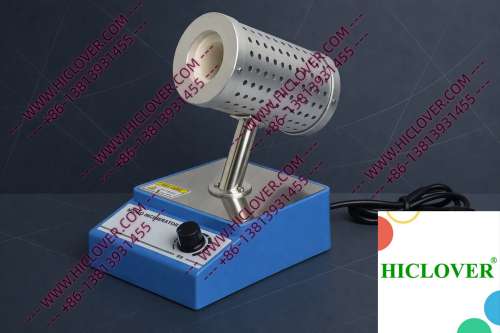
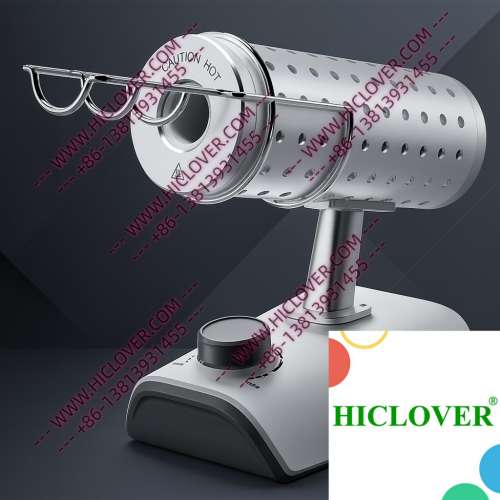
The Micro Incinerator utilizes advanced infrared heating technology that rapidly heats an enclosed ceramic tube to high temperatures. This ceramic heating chamber allows for efficient disinfection, with infrared heat capable of destroying microbial life on inoculating loops within seconds. Unlike traditional flame sterilizers, which can be inconsistent and risk producing flammable aerosols, the infrared design ensures a clean-bench-safe operation, making it suitable for sensitive environments such as BSL-2 and BSL-3 laboratories.
Applications in Real Laboratories
- Biosafety Cabinet Usage: In a university microbiology lab, the Micro Incinerator is often used within biosafety cabinets (BSCs). The quick sterilization process minimizes the risk of contamination while allowing researchers to perform microbial manipulation safely. The compact design also ensures that the sterilizer fits conveniently within standard BSC configurations.
- Field Testing Scenarios: For mobile labs conducting field testing, the lightweight and battery-operated versions of infrared inoculating loop sterilizers prove invaluable. Researchers can perform on-site sample collection and analysis without compromising biosafety protocols, thus ensuring the integrity of data collected in natural environments.
- University Teaching Labs: Micro Incinerators are ideal for educational settings where students must gain hands-on experience in sterile technique. The ease of use combined with its safety profile allows instructors to focus on teaching fundamental lab skills without the added concerns associated with open flames.
- What types of microorganisms can the Micro Incinerator eliminate? The Micro Incinerator effectively eliminates a broad range of bacteria, fungi, and viruses, making it suitable for most microbial research applications.
- Is the Micro Incinerator portable for fieldwork? Yes, many models are designed to be lightweight and battery-operated, ensuring they can be easily transported for field studies.
- How do I maintain the Micro Incinerator? Regular cleaning of the ceramic heating element and ensuring that the device is free from debris is recommended for optimal performance.
- Can the Micro Incinerator replace all traditional sterilization methods? While it offers significant advantages, complementary sterilization methods may still be needed for specific applications or issues.
- Where can I purchase a Micro Incinerator? Micro Incinerators can be obtained through laboratory supply distributors, research equipment suppliers, and specialized online retailers.
Compliance and Environmental Considerations
The WHO biosafety guidelines emphasize minimizing risks associated with microbial handling. In this regard, the Micro Incinerator aligns well with laboratory sterilization standards, particularly for environments where open flames might pose a contamination or fire hazard. In cleanrooms and other controlled environments, eliminating flame sources is crucial. Furthermore, these sterilizers operate without producing harmful emissions, also making them a more environmentally friendly choice compared to traditional methods.
Comparison Table: Micro Incinerator vs. Traditional Flame Burners
| Feature | Micro Incinerator | Flame Burners |
|---|---|---|
| Heating Method | Infrared | Flame |
| Safety | Lower risk of aerosol generation | Higher risk of contamination and fire |
| Speed of Sterilization | Seconds | Varies |
| Usability in Clean Environments | Yes | No |
Frequently Asked Questions
Conclusion
As laboratories strive to improve efficiency and maintain high standards of biosafety, the transition from traditional flame sterilizers to modern Micro Incinerators presents an invaluable opportunity. These sterilizers not only enhance the sterilization workflow but also ensure compliance with stringent safety standards. By adopting infrared inoculating loop sterilizers, laboratories can significantly reduce contamination risks without sacrificing performance. For those interested in adopting this advanced sterilization solution, please contact us for more information or to make a purchase. Experience the future of laboratory sterilization today!
Categories:
Tags: