
In the world of laboratory research, biosafety and contamination control are paramount. Laboratory professionals frequently face challenges associated with ensuring that all equipment used in microbiological procedures is properly sterilized. Traditional sterilization methods like alcohol lamps and Bunsen burners are gradually being phased out due to their potential safety hazards, inefficiency, and the risk of aerosol contamination. In an effort to streamline microbial precision, researchers and technical staff are increasingly turning to modern sterilization equipment, particularly the Micro Incinerator / Infrared Inoculating Loop Sterilizer.
Technical Principles of Infrared Heating
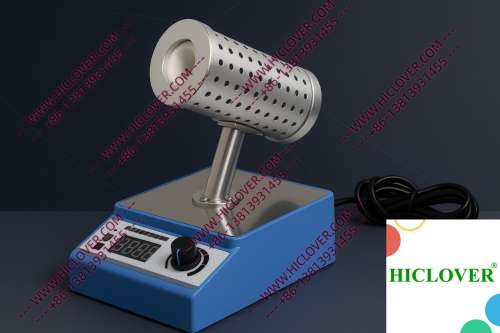
The Micro Incinerator is an efficient and reliable instrument that utilizes infrared high-temperature disinfection technology. This device comprises a ceramic heating chamber that is specifically designed to generate rapid thermal sterilization. When the inoculating loop is inserted into the enclosed ceramic tube, it rapidly heats to temperatures exceeding 800°C.
This immediate and consistent heat allows for effective sterilization without the risks associated with open flames. By employing infrared heat, the sterilizer ensures a highly controlled thermal environment that is not only fast but also significantly reduces the chances of contamination through aerosols. With a sterilization cycle lasting as little as five seconds, this device enhances workflow efficiency in any laboratory setting.
Applications in Real Labs
Biosafety Cabinet Integration
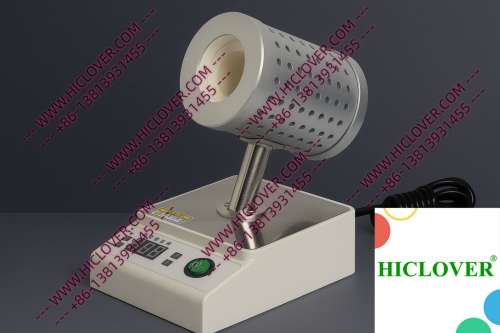
In BSL-2 and BSL-3 microbiology labs, the need for advanced sterilization equipment cannot be overstated. The Micro Incinerator seamlessly fits into biosafety cabinets, offering a clean-bench-safe alternative for loop sterilization. Here, researchers can work in a controlled atmosphere while efficiently sterilizing inoculating loops without exposing samples to unwanted aerosols or open flames.
Field Testing and Mobile Labs
The portability and compact design of the Micro Incinerator make it an ideal choice for field testing. In remote locations where traditional sterilization tools may not be available, this device ensures that researchers can conduct their work safely and effectively. For instance, during environmental sampling of microbial content in water bodies in regions around California, rapid sterilization with the Micro Incinerator eliminates the risk of cross-contamination before further analysis.
Compliance with Biosafety Standards
Laboratory sterilization standards are critical for maintaining safety and ensuring effective contamination control. According to the WHO biosafety guidelines, laboratories must implement strict sterilization protocols to mitigate the risk of infectious agents. The Micro Incinerator adheres to these regulations with its closed-system design, providing an aerosol-free handling environment. This device is particularly valuable in clean rooms, where the absence of flames and aerosols is a prerequisite.
The Micro Incinerator also combats challenges faced in university teaching labs where multiple students may be conducting experiments simultaneously. By replacing traditional flame burners with this advanced equipment, instructors can improve classroom safety and enhance educational training on microbiological principles.
Comparison Table: Micro Incinerator vs. Flame Burners
| Features | Micro Incinerator | Flame Burners (Alcohol Lamps/Bunsen Burners) |
|---|---|---|
| Heating Method | Infrared heating | Open flame |
| Safety | Low risk of aerosol contamination | Higher risk of burns and fire hazards |
| Efficiency | Rapid sterilization (<= 5 seconds) | Variable sterilization time |
| Environmental Impact | Clean-bench-safe | Potential aerosol spread |
FAQs
What is a Micro Incinerator?
A Micro Incinerator is an advanced sterilization device that utilizes infrared heat to rapidly sterilize inoculating loops and other small lab instruments while minimizing the risk of aerosol contamination.
How does infrared sterilization compare to traditional methods?
Infrared sterilization provides rapid thermal sterilization with a low risk of contamination, while traditional methods, like flame sterilizers, pose greater safety hazards and inefficiency.
Is the Micro Incinerator compliant with laboratory safety standards?
Yes, the Micro Incinerator complies with WHO biosafety guidelines, making it suitable for use in BSL-2 and BSL-3 labs as well as clean room environments.
Can the Micro Incinerator be used in field testing setups?
Absolutely! Its compact design and portability make the Micro Incinerator an ideal choice for researchers conducting field-testing activities in diverse environmental settings.
How long does it take to sterilize an inoculating loop?
The sterilization cycle for an inoculating loop using the Micro Incinerator takes approximately 5 seconds, significantly improving workflow efficiency in laboratories.
Conclusion
With increasing demands for sterile environments and efficient workflows in laboratory settings, the Micro Incinerator / Infrared Inoculating Loop Sterilizer emerges as a versatile and essential tool. It significantly enhances microbial precision while adhering to crucial lab safety standards. For laboratories seeking to improve their sterilization protocols, the Micro Incinerator offers a safer, faster, and more effective alternative to traditional flame sterilizers. For inquiries or to make a purchase, feel free to contact us to learn more about how the Micro Incinerator can contribute to your laboratory’s success.
Categories:
Tags: