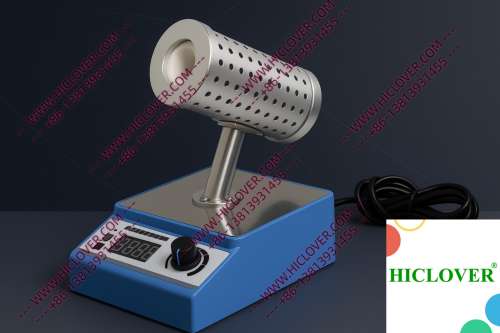
In today’s fast-paced laboratory environments, ensuring biosafety through effective sterilization methods is paramount. With increasing demands for rapid results and stringent compliance standards, laboratories face practical challenges in managing contamination control and safe working conditions. Traditional flame sterilizers, such as Bunsen burners and alcohol lamps, often fail to meet modern safety and efficiency requirements, prompting the adoption of innovative solutions like the Micro Incinerator or Infrared Inoculating Loop Sterilizer.
Understanding the Science Behind Infrared Sterilization
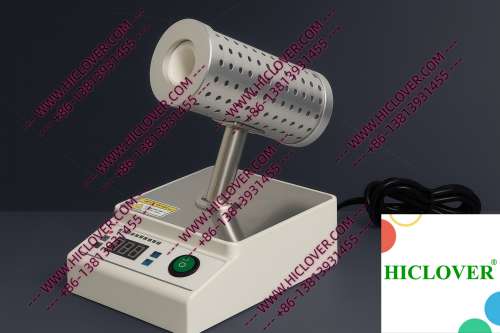
The Micro Incinerator utilizes rapid thermal sterilization through infrared heating, providing a clean and effective method for disinfection. These devices feature an enclosed ceramic heating chamber that reaches high temperatures, effectively destroying microbial contaminants in seconds. Unlike traditional methods, infrared sterilization eliminates the risk of airborne contamination and aerosol generation, making it ideal for sensitive laboratory environments.
Key Features of Micro Incinerators
- Rapid Thermal Sterilization: Achieves effective disinfection in under a minute.
- Clean-Bench-Safe Design: Mitigates contamination risks associated with open flames.
- Portable Configuration: Suitable for both fixed lab settings and field testing applications.
- Energy Efficiency: Consumes less energy compared to traditional flame sterilizers.
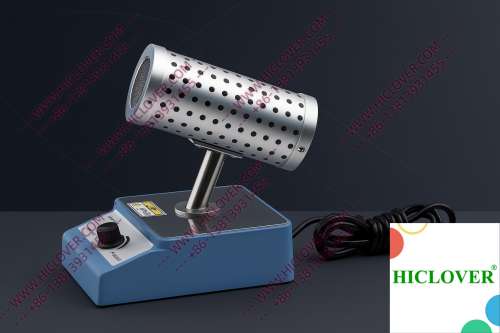
Real-World Applications of Infrared Inoculating Loop Sterilizers
The deployment of the Micro Incinerator in real-world laboratory scenarios significantly enhances safety and efficiency. Here are two specific applications:
Biosafety Cabinets
Within BSL-2 and BSL-3 microbiology laboratories, maintaining a sterile environment is crucial for research involving pathogens. The Micro Incinerator can be effectively used within biosafety cabinets for immediate sterilization of inoculating loops and needles without risk of flame exposure. This setup not only boosts contamination control but also encourages rapid workflow, as researchers can quickly and safely sterilize their tools between samples.
Field Testing Laboratories
Field testing scenarios often present challenges related to portable sterilization options. The Micro Incinerator’s compact design makes it perfect for field laboratories, where traditional sterilization processes may not be feasible. For instance, in environmental microbiology testing at remote sites, this device allows technicians to ensure that sampling instruments are sterilized on-site, thus preventing cross-contamination and ensuring sample integrity.
Compliance and Environmental Standards
Adhering to worldwide biosafety and laboratory sterilization standards is essential for laboratory operations. The World Health Organization (WHO) provides guidelines that emphasize the importance of proper sterilization techniques in reducing biological hazards. Using a Micro Incinerator is in line with these recommendations, particularly in clean rooms where no open flames are permitted.
Moreover, the use of non-flame sterilization devices helps in complying with safety regulations in clinical diagnostics and research environments. The use of traditional flame sterilizers can pose risks of accidental fires and inhalation of fumes, making infrared sterilizers a safer alternative.
Comparison: Micro Incinerator vs. Traditional Flame Burners
| Feature | Micro Incinerator | Flame Burners |
|---|---|---|
| Heating Method | Infrared | Open Flame |
| Contamination Control | High (Aerosol-Free) | Low |
| Workflow Efficiency | Very High | Moderate |
| Energy Consumption | Low | High |
| Portability | High | Low |
Frequently Asked Questions
What is the main advantage of using a Micro Incinerator over traditional flame sterilizers?
The primary advantages include improved contamination control, increased safety due to the absence of an open flame, and faster sterilization times.
Can Micro Incinerators be used in BSL-3 laboratories?
Yes, Micro Incinerators are suitable for use in BSL-3 laboratories, where strict sterilization protocols are needed to protect against hazardous biological agents.
How does the energy consumption of a Micro Incinerator compare to that of a flame burner?
Micro Incinerators use significantly less energy compared to flame burners, making them more efficient and cost-effective over time.
Is there any maintenance required for Micro Incinerators?
Regular cleaning and inspection of the ceramic heating chamber are recommended to maintain optimal performance and longevity of the device.
Are Micro Incinerators compliant with WHO biosafety standards?
Yes, Micro Incinerators meet the criteria outlined by WHO for laboratory sterilization, especially in environments where eliminating the risk of open flames is a priority.
Conclusion
As laboratories continue to evolve, the need for innovative sterilization devices is undeniable. The Micro Incinerator represents a significant advancement in the field of lab safety and sterilization techniques. By opting for this cutting-edge solution, laboratories can enhance their workflow efficiency while prioritizing safety and compliance with global biosafety standards. If you’re interested in upgrading your sterilization equipment, contact us for more details about our range of Micro Incinerators tailored to meet the dynamic needs of modern labs.
Categories:
Tags: