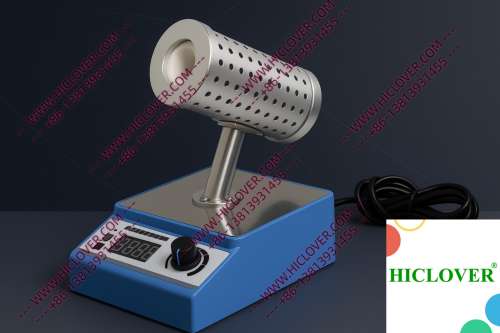
In an evolving academic landscape, laboratory biosafety challenges are at the forefront of modern educational institutions in Vietnam. Robust sterilization workflows are essential for maintaining high standards of safety and contamination control in teaching labs. One of the most innovative solutions gaining traction is the Infrared Inoculating Loop Sterilizer, also known as a Micro Incinerator. This article explores its technical advantages, application scenarios, and compliance with international biosafety standards, showcasing why it’s becoming indispensable in Vietnamese education and research settings.
Understanding the Technical Principles of Infrared Loop Sterilizers
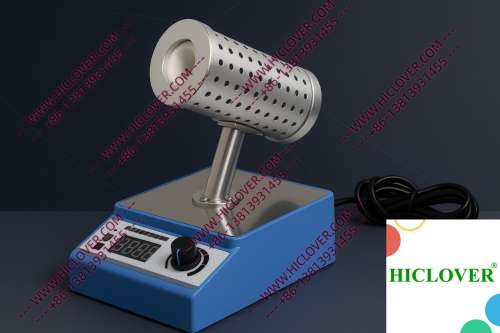
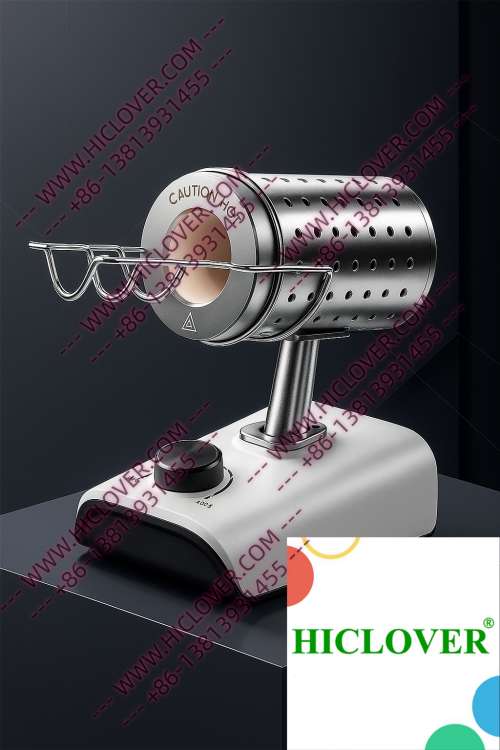
The Infrared Inoculating Loop Sterilizer operates on the principle of rapid thermal sterilization through infrared heat. Unlike traditional methods that utilize alcohol lamps or Bunsen burners, the sterilizer employs an enclosed ceramic heating chamber that reaches high temperatures in mere seconds. This innovative design results in a clean-bench-safe environment ideal for handling bacterial and fungal cultures, as it minimizes the risk of contamination while ensuring efficient sterilization.
Advantages Over Traditional Flame Sterilizers
Transitioning from conventional flame sterilizers to infrared models presents several advantages:
- Safety: No open flames mean a lower risk of fire hazards, particularly in BSL-2 or BSL-3 laboratories.
- Speed: Infrared sterilizers provide rapid heating, significantly reducing waiting times between inoculations.
- Efficiency: The design limits energy consumption while maximizing sterilization effectiveness.
- Environmental Compliance: Infrared sterilizers do not produce harmful fumes or aerosols, supporting cleaner laboratory environments.
Real-World Applications in Laboratory Settings
Educational institutions and research facilities across Vietnam are beginning to integrate the Infrared Inoculating Loop Sterilizer into their practices. Here are two prominent application scenarios:
1. University Teaching Labs
In chemistry and microbiology courses, student experiments frequently involve manipulating microbial cultures. The infrared sterilizer allows students to safely sterilize inoculating loops between uses while remaining in compliance with laboratory standards. Located within biosafety cabinets, these sterilizers provide a controlled and secure environment, enhancing the educational experience while ensuring biosafety measures are thoroughly met.
2. Field Testing and Mobile Labs
In field testing scenarios, access to traditional flame sterilization equipment can be challenging. Infrared Inoculating Loop Sterilizers have become popular for mobile lab setups, where their portable nature allows researchers to conduct microbiological tests on-site without compromising safety or sterilization efficiency. The compact design and x lightweight body further facilitate their transport in various field conditions.
Biosafety Compliance and Environmental Considerations
Adhering to compliance with international biosafety standards, such as WHO biosafety regulations, places a heavy responsibility on educational institutions. The use of infrared sterilizers supports these guidelines by eliminating flames in clean rooms and minimizing aerosols that can compromise sterile conditions. Thus, they play a crucial role in helping laboratories meet stringent sterilization standards while also enhancing educational experiences.
Biosafety Compliance Reference
The following table highlights how the Infrared Inoculating Loop Sterilizer aligns with biosafety regulations compared to traditional flame sterilizers:
| Feature | Infrared Inoculating Loop Sterilizer | Flame Sterilizers |
|---|---|---|
| Open Flame | No | Yes |
| Rapid Heating | Yes | No |
| Energy Efficiency | High | Low |
| Aerosol Production | None | Potential Risk |
| Portability | High | Low |
Frequently Asked Questions
What is the primary advantage of using an Infrared Inoculating Loop Sterilizer over a flame sterilizer?
The primary advantage lies in enhanced safety, reduced contamination risk, and decreased energy consumption without compromising sterilization effectiveness.
Are Infrared Inoculating Loop Sterilizers suitable for BSL-2 or BSL-3 laboratories?
Yes, these sterilizers are designed to meet biosafety requirements, making them suitable for BSL-2 and BSL-3 environments.
How quickly can an Infrared Loop Sterilizer heat to sterilization temperatures?
Infrared Loop Sterilizers can reach optimal sterilization temperatures in seconds, significantly improving workflow efficiency.
Is it safe to use Infrared Sterilizers in teaching labs?
Absolutely, their design eliminates open flames, thus promoting a safer learning environment for students working with microbial cultures.
Can these sterilizers be used in mobile labs?
Yes, their compact and lightweight nature makes them ideal for field testing and mobile lab applications.
Conclusion
The transition to Infrared Inoculating Loop Sterilizers represents a crucial milestone in the evolution of laboratory sterilization protocols within Vietnamese educational institutions. By prioritizing safety, efficiency, and compliance, academic and research facilities can enhance their operational capabilities while promoting effective biosafety practices. If you’re considering upgrading your lab equipment or exploring purchasing options, please reach out for more information about the competitive advantages of the Micro Incinerator.
Categories:
Tags: