
In today’s fast-paced laboratory environments, especially in rapidly evolving regions like Dallas, the challenges of maintaining biosafety protocols are substantial. Laboratorians face ongoing demands for effective sterilization methods to ensure a contamination-free work environment. This has led to the increased adoption of modern sterilization equipment, such as Micro Incinerators and Infrared Inoculating Loop Sterilizers, which provide enhanced efficiency and safety in laboratory settings.
The Challenges of Laboratory Biosafety
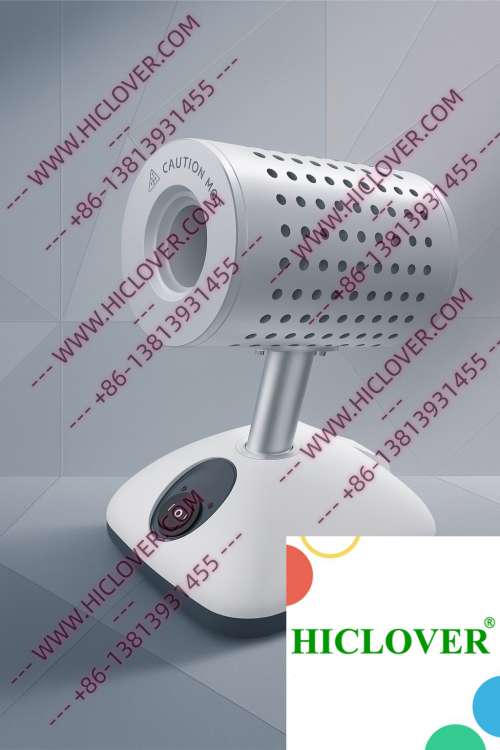
Laboratories handling sensitive biological materials must navigate complex biosafety challenges. From ensuring the reliability of sterilization processes to minimizing risks associated with traditional flame sterilization methods, safety and efficiency are paramount. The use of alcohol lamps and Bunsen burners often introduces risks, including open flames that can compromise clean air environments and increase the potential for aerosolization of pathogens. This highlights the necessity for advancing sterilization technology in laboratories.
Technical Principles of Infrared Sterilization
The Infrared Inoculating Loop Sterilizer represents a significant milestone in laboratory sterilization technology. Utilizing infrared heat, this device provides rapid thermal sterilization within a compact, enclosed ceramic heating chamber. The infrared energy quickly elevates the temperature to sterilizing levels, effectively killing bacteria, viruses, and other pathogens without the introduction of flame or hazardous fumes. This high-temperature disinfection offers a safe and practical alternative for laboratories operating under strict biosafety standards.
Applications in Real Labs
Let’s examine some practical application scenarios in diverse laboratory settings where loop sterilizers are proving their worth:
1. University Teaching Labs
In academic environments, teaching labs often deal with a variety of microbial cultures. The utilization of Micro Incinerators enables students and instructors to demonstrate proper inoculation techniques while ensuring minimal contamination risks. Learning becomes efficient when students can rely on an aerosol-free handling system that guarantees sterilization safety right before their eyes.
2. BSL-2 and BSL-3 Microbiology Labs
In higher biosafety level labs, such as BSL-2 and BSL-3 facilities, the stakes are higher. Researchers often work with potentially dangerous pathogens requiring stringent contamination control measures. Infrared inoculating loop sterilizers provide a flame-free sterilization method, allowing for safe manipulation within biosafety cabinets and ensuring compliance with rigorous laboratory protocols. The closed sterilization unit protects personnel while maintaining the integrity of biohazard materials under investigation.
Compliance and Environmental Considerations
Compliance with international biosafety standards is critical for laboratories to operate legally and responsibly. The World Health Organization (WHO) and other regulatory bodies emphasize the importance of effective sterilization practices to minimize the risk of infection transmission. Traditional flame models often fall short of these standards, particularly in cleanroom environments where the use of open flames is prohibited. The Micro Incinerator’s design avoids these risks, adhering to established lab sterilization standards while promoting a cleaner, safer working atmosphere.
- No open flames: Essential for maintaining clean environments.
- Rapid sterilization: Significant time savings over traditional methods.
- Reduced risk of aerosol generation: Protects laboratory personnel and surrounding areas.
Comparative Advantages: Micro Incinerator vs. Flame Burners
| Feature | Micro Incinerator | Flame Burners |
|---|---|---|
| Operation | Infrared heat, ceramic tube | Bunsen or alcohol flame |
| Time to Sterilize | Seconds | Varies based on flame adjustment |
| Safety | Closed system, aerosol-free | Open flame poses fire hazards |
| Compliance | Meets lab safety standards | May fail in cleanroom settings |
FAQs
What is a Micro Incinerator, and how does it work?
A Micro Incinerator is a sterilization device that uses infrared heat to achieve rapid thermal sterilization of inoculating loops, designed to prevent contamination without the use of flames.
How does infrared technology improve sterilization efficiency?
Infrared technology provides instant heating, reducing wait times and enhancing workflow efficiency while ensuring a consistent temperature for effective sterilization.
Can a Micro Incinerator be used in field testing labs?
Yes, Micro Incinerators are compact and portable, making them suitable for field testing where safe and effective sterilization is necessary without compromising safety standards.
What are the compliance standards for using sterilization equipment?
Many regulations, including those set by WHO, dictate the use of specific sterilization practices to prevent contamination, with additional guidelines for equipment used in BSL environments.
Are Micro Incinerators more cost-effective than traditional methods over time?
Yes, Micro Incinerators save time, reduce the need for consumables like alcohol, and offer greater safety, leading to potential long-term cost savings.
Conclusion
As the demand for effective and efficient sterilization solutions continues to rise, especially among research settings and clinical diagnostics in Dallas, the adoption of Micro Incinerators and Infrared Inoculating Loop Sterilizers is likely to play a pivotal role in shaping the future of lab safety. By transitioning away from traditional flame sterilization methods, laboratories can enhance their operational workflow while ensuring strict compliance with safety standards. For more information on how you can elevate your laboratory’s sterilization practices, contact us today.
Categories:
Tags: