
Laboratory biosafety challenges have escalated in recent years, driven by the increasing complexity of research operations and the rising demand for stringent contamination control. As laboratories evolve, so too must the methods and equipment they employ for sterilization. With heightened attention on workflows, the Micro Incinerator or Infrared Inoculating Loop Sterilizer is emerging as a pivotal solution, offering rapid thermal sterilization without the drawbacks associated with traditional flame sterilizers. In this article, we will explore its technical principles, applications in various laboratory settings, compatibility with current biosafety standards, and why it is a preferred choice for modern labs.
The Technical Principle of Infrared Inoculating Loop Sterilizers
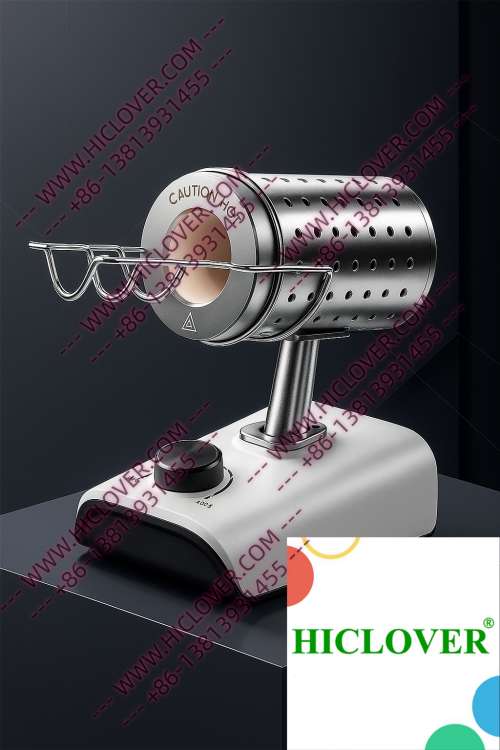
The innovation of the Micro Incinerator lies in its use of infrared heat, which eliminates the need for open flames. This device features an enclosed ceramic tube chamber, where the inoculating loop is subjected to direct infrared radiation, resulting in rapid high-temperature disinfection. Unlike alcohol lamps and Bunsen burners, which can release airborne contaminants or create unwanted aerosols, the Micro Incinerator provides a clean, efficient, and safe method for sterilization.
This technology ensures a fleeting yet thorough sterilization cycle, achieving temperatures that can scale up to 850°C in just a matter of seconds. Its compact design allows laboratories to incorporate it seamlessly into both stationary and mobile environments, making it essential for both rigorous laboratory protocols and outdoor testing scenarios.
Applications in Laboratory Settings
The adaptability of the Micro Incinerator extends to various laboratory applications:
- Biosafety Cabinets: In BSL-2 and BSL-3 microbiology labs, where infection control is paramount, the Micro Incinerator serves as an invaluable tool to sterilize loops and instruments without introducing contaminants into the workspace.
- Field Testing: For field testing in environmental studies or clinical diagnostics, researchers benefit from portable sterilization, enabling them to conduct assessments swiftly while maintaining stringent biosafety protocols.
- Teaching Labs: Universities equipped with teaching labs utilize these sterilizers to instruct students in safe laboratory practices, stressing the importance of contamination control while fostering an engaging learning environment.
Compliance with International Biosafety Standards
Compliance with laboratory sterilization standards is essential not only for maintaining proper biosafety but also for legal and ethical adherence. The World Health Organization (WHO) has established clear biosafety guidelines, particularly in labs handling biological agents. The Micro Incinerator is compliant with these standards, which require that contamination risk be minimized to ensure the safety of laboratory personnel and the surrounding environment.
Moreover, traditional flame sterilizers pose a significant risk in clean room settings, where any form of flame can compromise air quality. The absence of open flames with the Micro Incinerator provides a clean-bench-safe alternative, ensuring that sensitive operations within CO₂ incubators or anaerobic chambers remain unaffected by smoke or particulates.
A Comparative Analysis: Micro Incinerator vs. Flame Burners
| Feature | Micro Incinerator | Flame Sterilizers |
|---|---|---|
| Heat Source | Infrared Heat | Open Flame |
| Contamination Risk | Minimal | High |
| Response Time | Immediate | Delayed |
| Energy Efficiency | High | Medium |
| Safety in Clean Rooms | Yes | No |
Frequently Asked Questions (FAQs)
- What are the key benefits of using a Micro Incinerator?
The main benefits include rapid sterilization, reduced contamination risk, and compliance with biosafety standards, particularly in sensitive environments. - How does the Micro Incinerator improve laboratory workflows?
By providing instantaneous sterilization, it allows for uninterrupted workflows, especially in high-throughput labs where time is a critical factor. - Is the Micro Incinerator suitable for field applications?
Yes, its portable design makes it an excellent choice for field testing, particularly in environmental and clinical assessments. - How can labs ensure compliance with sterilization standards?
Using devices like the Micro Incinerator, which meet international biosafety guidelines, laboratories can maintain compliance while enhancing safety. - Can the Micro Incinerator replace traditional sterilization methods?
While it offers significant advantages, labs should evaluate their unique needs—some may still find value in traditional methods for specific applications.
Conclusion
In summary, the Micro Incinerator stands out as a pioneering sterilization solution that meets the challenges of modern laboratory environments. Its utilization of infrared technology not only streamlines sterilization but ensures safety and compliance with biosafety standards. As laboratories seek to enhance their workflows and improve contamination control, transitioning to this advanced sterilization equipment is more pertinent than ever. For more detailed information or to discuss acquisition options, feel free to reach out to us or explore our product line today.
Categories:
Tags: