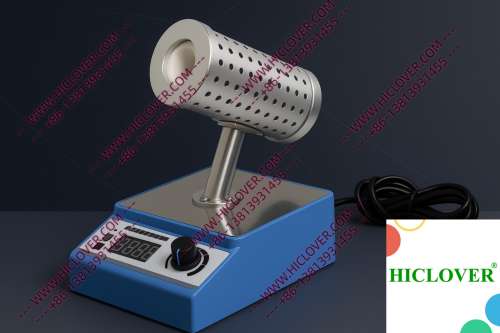
In the ever-evolving landscape of laboratory biosafety, the challenges of contamination control and sterilization workflows have taken center stage. With the increasing demand for cleaner methodologies in research settings, French laboratories are stepping up their game. They need efficient, reliable, and safe sterilization equipment that not only meets regulatory standards but also supports high-velocity scientific inquiries. Enter the Micro Incinerator / Infrared Inoculating Loop Sterilizer – a cutting-edge solution redefining sterilization in laboratories.
The Technical Principle Behind Micro Incinerators
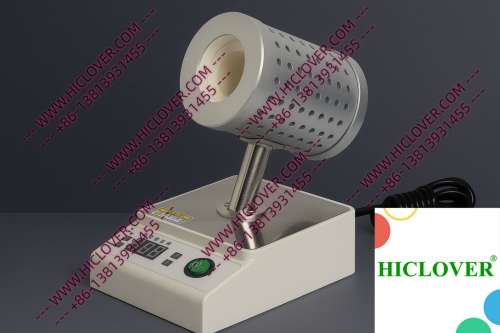
The Micro Incinerator operates on the principle of rapid thermal sterilization utilizing infrared heat. Unlike traditional flame sterilizers such as Bunsen burners and alcohol lamps, which can pose contamination risks and safety hazards, the Micro Incinerator employs a ceramic heating chamber. This innovative design ensures quick and effective sterilization of inoculating loops, needles, and other equipment while minimizing the generation of aerosols associated with flame methods.
- Infrared Heating: Facilitates high-temperature disinfection without open flames.
- Enclosed Ceramic Tube: Provides a contained environment for safe and clean operations.
- Clean-Bench Safety: Eliminates risks posed by flames in sensitive laboratory settings.
Application Scenarios in Real Labs
Micro Incinerators are finding diverse applications in various laboratory settings. Here are two practical scenarios illustrating their impact:
1. Biosafety Cabinets
In BSL-2 microbiology labs, where handling pathogenic microorganisms is routine, the need for rigid sterile techniques is paramount. The incorporation of Micro Incinerators into biosafety cabinets ensures that researchers can sterilize their inoculating loops quickly and efficiently. Such integration allows for effective sterilization without the open flames of traditional methods, thus maintaining a clean-air environment and reducing the risk of inhalable contaminants.
2. Teaching Labs
In university teaching labs, where students are often engaged in cultivating microorganisms, safety and education go hand in hand. Utilizing Micro Incinerators enables instructors to demonstrate correct sterilization techniques without the inherent risks of flames. Their portability means they can be placed conveniently within the lab, allowing for robust demonstrations while ensuring compliance with biosafety standards.
Compliance and Environmental Considerations
Compliance with international biosafety standards is non-negotiable for laboratories. The World Health Organization (WHO) emphasizes the need for rigorous sterilization practices, particularly in environments that handle infectious agents. Traditional flame sterilizers, known for their inconsistencies and potential contamination from flames, often do not meet these stringent standards.
In cleanroom environments, the use of open flames can generate particulate matter, violating cleanroom protocols. Micro Incinerators, on the other hand, do not compromise environmental safety, making them ideal for such critical applications. Their ability to effectively disinfect without introducing airborne contaminants provides confidence to laboratory personnel and significantly enhances operational safety.
Comparison of Micro Incinerators and Traditional Flame Sterilizers
| Feature | Micro Incinerators | Flame Sterilizers |
|---|---|---|
| Sterilization Method | Infrared heat | Open flame |
| Aerosol Generation | No | Yes |
| Safety in Clean Environments | High | Low |
| Ease of Use | High | Moderate |
Frequently Asked Questions
- What makes Micro Incinerators safer than traditional flame sterilizers?
Micro Incinerators use infrared heat rather than an open flame, which reduces the risks of burns and aerosol generation. - Can Micro Incinerators be used in BSL-3 laboratories?
Yes, their design is compliant with strict biosafety protocols, making them suitable for higher containment laboratories. - How fast is the sterilization process with a Micro Incinerator?
Micro Incinerators offer rapid thermal sterilization, typically taking only seconds to achieve effective disinfection. - Are Micro Incinerators environmentally friendly?
Yes, they do not generate harmful aerosols or waste products, making them safer for both users and the environment. - What types of loops can be sterilized using this equipment?
The device can effectively sterilize various inoculating loops, needles, and similar equipment used in microbiological practices.
Conclusion
The introduction of Micro Incinerators in French laboratories marks a significant advancement in laboratory sterilization equipment. By prioritizing safety, compliance, and efficiency, laboratories can enhance their operations while safeguarding personnel and research integrity. Transitioning from traditional methods such as alcohol lamps and Bunsen burners to modern sterilization solutions represents a vital step toward achieving contemporary biosafety and cleanliness standards.
If you are considering a shift towards advanced sterilization solutions like the Micro Incinerator / Infrared Inoculating Loop Sterilizer, don’t hesitate to reach out for a consultation or to explore purchasing options. Your commitment to safety and quality deserves only the best in laboratory technologies.
Categories:
Tags: