
Modern laboratories face increasing challenges in biosafety and sterilization workflows. Ensuring sterile conditions while minimizing environmental impact is vital for lab efficiency. With the rise of sustainable lab practices, Micro Incinerators or Infrared Inoculating Loop Sterilizers have emerged as a powerful solution. Understanding their features and applications can streamline laboratory sterilization processes and enhance safety protocols without compromising on environmental responsibilities.
Understanding the Technology
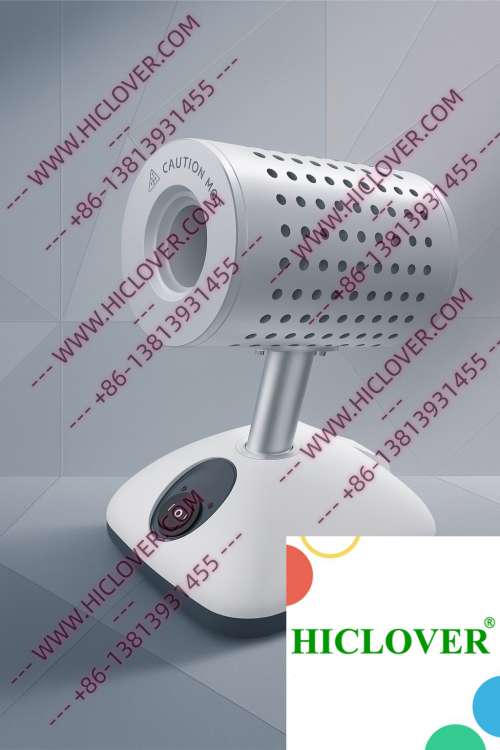
Micro Incinerators provide a rapid thermal sterilization method, eliminating the risks associated with traditional flame sterilizers, such as Bunsen burners or alcohol lamps. The core technology leverages infrared heat, which allows for precise temperature control within an enclosed ceramic heating chamber. This unique design facilitates high-temperature disinfection without the drawbacks of open flames, such as flammable vapors and the generation of aerosols.
How It Works
At the heart of the Micro Incinerator’s operation is the infrared heating element that targets inoculating loops directly. The enclosed ceramic tube ensures that the heat is concentrated for a quick, effective sterilization process. The sterilizer heats up within seconds, achieving temperatures beyond 800°C, making it perfect for both laboratory and field testing settings. Moreover, due to the compact size, it is easy to integrate into biosafety cabinets or transport for outdoor testing.
Applications in Real Laboratories
1. Advanced Sterilization in BSL-2 and BSL-3 Laboratories
BSL-2 and BSL-3 laboratories demand strict sterilization protocols due to the potential presence of harmful pathogens. Here, the Micro Incinerator proves invaluable for rapid thermal sterilization of inoculating loops during microbiological culture transfers. Unlike traditional flame sterilization methods, the infrared sterilizer eliminates the risks of cross-contamination associated with open flames, aligning with higher biosafety standards.
2. Educational Settings: Teaching Labs and University Applications
In university teaching labs, educators take advantage of the user-friendly Micro Incinerator to demonstrate sterilization techniques safely and effectively. Students learn vital skills in contamination control in a controlled environment. The absence of flames also ensures a safer learning experience, especially important when handling delicate specimens or conducting experiments in anaerobic chambers.
Compliance and Environmental Considerations
The global shift toward sustainable laboratory practices aligns with compliance standards set by organizations such as the World Health Organization (WHO). In light of current regulations, laboratories must ensure that sterile conditions are maintained without jeopardizing safety or environmental integrity. Micro Incinerators help fulfill these obligations by providing a flame-free environment, which is particularly vital in clean rooms where flammable materials and vapors can pose significant risks.
- WHO biosafety guidelines ensure best practices are followed in microbiological research.
- Laboratory sterilization standards advocate for non-flame sterilization methods to enhance safety.
- Flame-free solutions like Micro Incinerators support clean-room protocols entirely.
Comparison Table: Micro Incinerator vs. Traditional Flame Burners
| Feature | Micro Incinerator | Traditional Flame Burners |
|---|---|---|
| Temperature Control | Precise infrared control | Variable, can be inconsistant |
| Safety | Flame-free, reduced aerosol risk | Open flame, potential for burns |
| Environmental Impact | Eco-friendly operation | Produces combustion products |
| Usability in Clean Rooms | Ideal for sterile environments | Not recommended |
FAQs
- What makes Micro Incinerators more efficient than traditional flame sterilizers?
Micro Incinerators offer rapid thermal sterilization without the use of open flames, resulting in faster processing times and enhanced safety. - Can Micro Incinerators be used in field testing?
Yes, their compact design and quick heating make them ideal for on-site sterilization in various environments. - Are Micro Incinerators compliant with laboratory safety standards?
Absolutely! They meet WHO biosafety guidelines and are safe for use in high-level biosafety labs.
Conclusion
The integration of Micro Incinerators into laboratory practices represents a significant advancement in the quest for sustainable and safe sterilization methods. Their effectiveness, compatibility with biosafety standards, and eco-friendly operation make them a valuable asset for laboratories across Sweden and beyond. If you’re looking to enhance your laboratory’s sterilization processes with cutting-edge technology, consider transitioning to Infrared Inoculating Loop Sterilizers. Contact us today to learn more about our offerings and how they can revolutionize your lab operations.
Categories:
Tags: