
In the realm of laboratory operations, biosafety remains a paramount concern. As healthcare facilities, particularly in bustling cities like Atlanta, strive for sustainability, the challenges of waste management and sterilization efficiency come to the forefront. Medical waste disposal demands both stringent compliance with biosafety regulations and advanced sterilization techniques to ensure minimal environmental impact and maximal health safety. Enter the Micro Incinerator, an innovative solution poised to transform medical waste management in healthcare environments, especially hospitals and laboratories.
Technical Principles of the Micro Incinerator
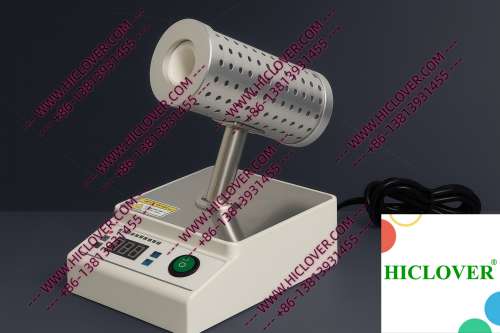
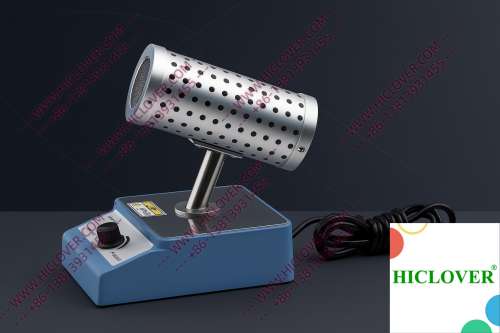
The Micro Incinerator operates on the principle of rapid thermal sterilization, utilizing infrared heat for efficient and effective disinfection. Unlike traditional sterilization methods that rely on open flames, such as Bunsen burners or alcohol lamps, the Micro Incinerator employs an enclosed ceramic heating chamber. This design not only enhances safety by eliminating the risk of open flames but also ensures that aerosols are not generated during the sterilization process, making it a clean-bench-safe option.
With an impressive capability to reach high temperatures quickly, the Micro Incinerator provides a reliable method to decontaminate inoculating loops, needles, and various laboratory implements. Its infrared technology ensures uniform heating, thereby effectively killing pathogens without the need for harmful chemicals. The simplicity and efficiency of its design cater to the rapid workflows typical in both BSL-2 and BSL-3 microbiology labs, clinical diagnostics, and even university teaching laboratories.
Applications of Micro Incinerators in Real Labs
- Biosafety Cabinets: In controlled environments, the Micro Incinerator can be integrated seamlessly into biosafety cabinets. This setup allows for immediate sterilization of tools after sample handling, minimizing the risk of cross-contamination and enhancing compliance with WHO biosafety standards.
- Field Testing Laboratories: For field tests, where portable and efficient sterilization is vital, the Micro Incinerator proves invaluable. Its lightweight design makes it an excellent choice for on-site viral and bacterial sampling and testing, ensuring that sterilization can occur in even the most remote locations without relying on combustible gases.
- What is the primary advantage of using a Micro Incinerator over traditional flame sterilizers?
The primary advantage is safety; the Micro Incinerator eliminates the risk of fire hazards and aerosol generation, allowing for clean and efficient sterilization. - Can a Micro Incinerator be used in field settings?
Yes, its portable design makes it an excellent choice for mobile labs and field testing applications. - How does the Micro Incinerator comply with WHO biosafety standards?
It meets the necessary sterilization requirements necessary for safe laboratory practice while reducing environmental impact. - Is the Micro Incinerator safe for use in BSL-2 and BSL-3 laboratories?
Yes, it is designed to meet the needs of high-level biosafety labs, where contamination control is essential. - What types of materials can be sterilized using a Micro Incinerator?
A variety of laboratory instruments, including inoculating loops, needles, and metal tools, can be sterilized effectively.
Compliance and Environmental Considerations
Compliance with international biosafety standards is non-negotiable in the laboratory setting. The World Health Organization (WHO) outlines stringent requirements for laboratory sterilization practices to mitigate risks associated with biological research. In addition, the Micro Incinerator’s design significantly reduces the production of toxic fumes that often accompany traditional flame sterilizers, aligning with global sustainability initiatives.
Moreover, laboratories utilizing Micro Incinerators benefit from reduced energy consumption, as the ultra-efficient heating mechanisms require less power to achieve necessary sterilization temperatures. In regions like Atlanta, where environmental concerns are paramount, this aligns with the city’s progressive sustainability goals in healthcare and waste management.
Comparative Overview: Micro Incinerator vs. Flame Burners
| Feature | Micro Incinerator | Flame Burners |
|---|---|---|
| Heat Source | Infrared | Open Flame |
| Safety | No Open Flame | High Risk of Fire |
| Contamination Control | Aerosol-Free | Possible Aerosol Production |
| Efficiency | Rapid Thermal Sterilization | Takes Longer to Heat |
| Energy Consumption | Low | Higher |
Frequently Asked Questions
Conclusion: Embrace the Future of Laboratory Sterilization
The transition to sustainable healthcare solutions in Atlanta and beyond necessitates the adoption of advanced technologies like the Micro Incinerator. This infrared inoculating loop sterilizer not only addresses the pressing challenges of biosafety and waste management but also aligns with eco-friendly practices that modern hospitals and laboratories strive for.
As laboratories seek to improve their sterilization workflows while ensuring compliance with crucial regulations, investing in the Micro Incinerator is a forward-thinking decision. For more information or to explore purchasing options, please contact us today and take a step towards a safer, more sustainable healthcare environment.
Categories:
Tags: