
In the realm of laboratory operations, the challenge of maintaining biosafety while ensuring efficient sterilization processes is paramount. Rwanda, a nation committed to advancing its healthcare system, faces unique laboratory biosafety challenges that necessitate innovative solutions to contamination control. Among these solutions, the Micro Incinerator / Infrared Inoculating Loop Sterilizer emerges as a pivotal tool that addresses workflow demands while being environmentally sustainable.
Technical Principles of the Micro Incinerator
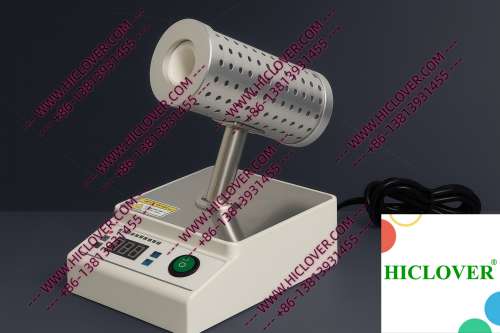
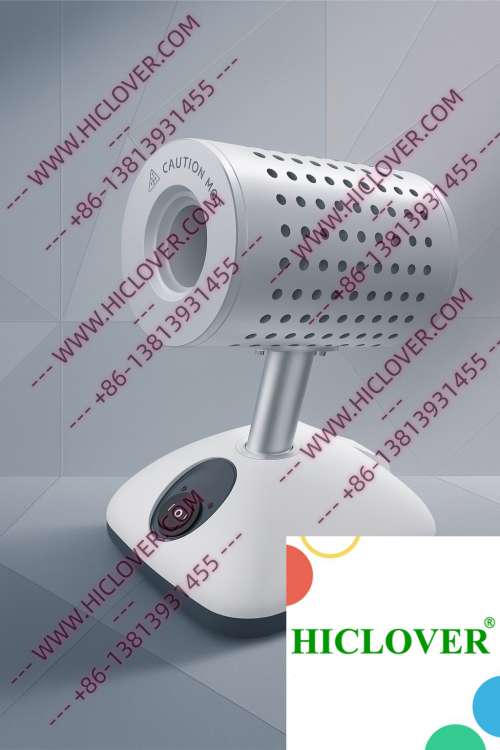
The Micro Incinerator operates on the principles of rapid thermal sterilization through infrared heat. Utilizing an enclosed ceramic heating chamber, this device generates high temperatures without the use of open flames, making it an ideal solution for cleanroom environments. Unlike traditional flame-based sterilizers such as alcohol lamps and Bunsen burners, the infrared loop sterilizer delivers precise heat application, reducing the risk of aerosolized contaminants and ensuring more efficient sterilization.
Applications of the Micro Incinerator
The versatility of the Micro Incinerator allows it to be employed in various laboratory environments:
- Biosafety Cabinets: In BSL-2 and BSL-3 microbiology labs, the Micro Incinerator provides a safe, clean environment for sterilizing inoculating loops and other small instruments without interfering with air flow within the safety cabinet.
- Field Testing Laboratories: For mobile or field testing labs, this sterilizer can operate independently of electrical supplies, ensuring researchers in remote areas can maintain compliance with disinfection protocols.
- University Teaching Labs: Academic institutions benefit from the straightforward operation of the Micro Incinerator, which allows students to focus on practical applications of microbiological techniques in a safe manner.
- Preventing contamination through effective sterilization methods.
- Ensuring clean and safe working environments, especially in labs using CO₂ incubators or anaerobic chambers.
- Eliminating the use of flame in clean rooms to avoid particulate generation and chemical hazards.
Compliance with Biosafety Standards
Compliance with biosafety standards is increasingly crucial in laboratory environments, particularly for laboratories in Rwanda aiming to enhance their infection control measures. The World Health Organization (WHO) emphasizes stringent lab sterilization standards to mitigate risk. This includes:
The Micro Incinerator aligns perfectly with these requirements by providing an efficient sterilization method without the risks associated with traditional flame sources.
Advantages Over Traditional Flame Sterilizers
When comparing the Micro Incinerator to traditional flame sterilizers like alcohol lamps and Bunsen burners, several key advantages emerge:
| Feature | Micro Incinerator | Flame Burners |
|---|---|---|
| Flame Source | No flame, safe for cleanrooms | Open flame, risk of contamination |
| Heat Control | Precise infrared heating | Variable, less control |
| Safety | Aerosol-free, reduced fire hazard | Possible aerosols, combustion risks |
| Portability | Compact and efficient | Heavy and less portable |
Frequently Asked Questions (FAQs)
1. What is a Micro Incinerator?
A Micro Incinerator is a laboratory sterilization device that uses infrared heat to sterilize inoculating loops and other small instruments efficiently and safely.
2. How does infrared sterilization differ from traditional flame methods?
Infrared sterilization uses controlled heat in an enclosed chamber, ensuring higher temperature consistency and reduced contamination risk, while flame methods can generate aerosols and particles.
3. Can the Micro Incinerator be used in field testing situations?
Yes, the Micro Incinerator’s design allows for safe and effective sterilization in field labs, providing researchers the necessary tools to maintain cleanliness even in remote areas.
4. Is the Micro Incinerator compliant with WHO standards?
Absolutely! The Micro Incinerator meets WHO’s lab sterilization standards, ensuring safe operation within BSL-2 and BSL-3 labs.
5. Why is it important to avoid flames in cleanrooms?
Using flames in cleanrooms can lead to the generation of particulates and aerosols that can contaminate the controlled environment, potentially compromising experimental outcomes.
Conclusion
In summary, the Micro Incinerator / Infrared Inoculating Loop Sterilizer stands at the forefront of sustainable healthcare solutions in Rwanda. By addressing prevalent laboratory biosafety challenges through efficient, flame-free sterilization, it not only enhances operational workflows but also contributes significantly to environmental sustainability. For laboratory supply distributors, hospitals, universities, and research centers looking to upgrade their sterilization methods, this innovative device represents a future-focused investment. Contact us today to learn more about how you can integrate this technology into your facility!
Categories:
Tags: