
Laboratory environments are often rife with biosafety challenges, particularly when it comes to the sterilization of tools and equipment. The traditional use of flame-based sterilizers like the Bacti-Cinerator poses a range of hazards, including the potential for burns, contamination, and the introduction of combustion products into sterile environments. As laboratories strive for sustainability and safety, adopting advanced alternatives such as the Micro Incinerator or Infrared Inoculating Loop Sterilizer becomes imperative. This article delves into these innovative sterilization solutions, their principles, applications, and compliance considerations for modern laboratories.
Understanding the Micro Incinerator / Infrared Inoculating Loop Sterilizer
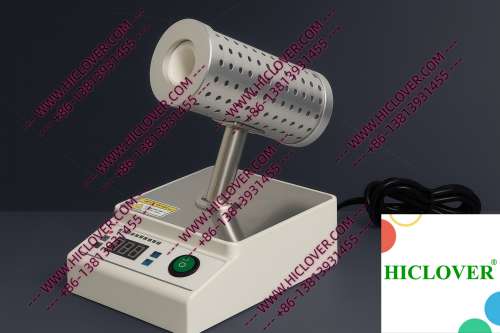
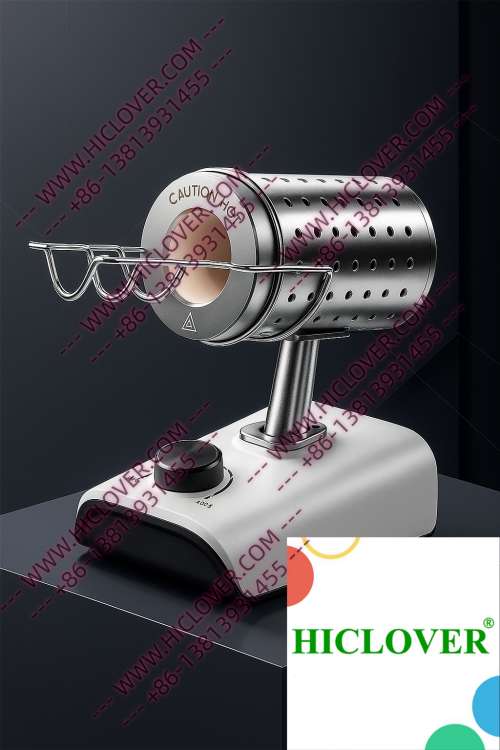
The Micro Incinerator operates on the principle of rapid thermal sterilization using infrared heat emitted from a high-temperature ceramic heating chamber. Enclosed in a robust structure, this device provides a clean, effective, and environmentally friendly means of sterilization. Unlike traditional flame sterilizers, which often lead to incomplete combustion and toxic emissions, the Micro Incinerator offers aerosol-free handling and minimizes contamination risks. Its compact design makes it suitable for various laboratory configurations, elevating efficiency without sacrificing safety.
Key Features of the Micro Incinerator
- Rapid Sterilization: Reaches optimal temperatures within seconds, providing quick turnaround times for sterile tools.
- Controlled Environment: Infrared heating allows for precise temperature control, crucial for avoiding overheating that can damage sensitive materials.
- Low Emission: No harmful byproducts are introduced into the workspace, making it compliant with clean-bench-safe practices.
- Durability: Designed for longevity and consistent performance in high-demand lab environments.
Applications in Real Laboratory Settings
Micro Incinerators find practical applications in various laboratory types, enhancing sterilization workflows and ensuring safe environments.
1. Teaching Laboratories
In university teaching labs, students frequently use inoculating loops for microbial culture preparation. The Infrared Inoculating Loop Sterilizer provides an efficient tool for quickly sterilizing loops between samples, minimizing the risk of cross-contamination. Furthermore, its user-friendly interface allows students to gain practical experience in sterilization without the worry of flame accidents, fostering a safer learning environment.
2. BSL-2 and BSL-3 Microbiology Labs
In Biological Safety Level (BSL) 2 and 3 labs, maintaining sterility is paramount for the safety of not only the research team but also the environment. Using a Micro Incinerator allows for effective sterilization of tools while preventing potential ignition sources that flame-based devices could introduce in these sensitive settings. Its use in conjunction with a biosafety cabinet allows researchers to handle pathogens without risking contamination from an open flame.
Compliance and Sustainability Considerations
Compliance with healthcare guidelines such as the WHO biosafety standards is crucial for laboratories, particularly those involved in clinical diagnostics and research. The Micro Incinerator aligns with various lab sterilization standards by providing a means of sterilization that is respectful of cleanroom operations—no flames, no smoke, and minimal particulate emissions. In facilities where traditional flame sterilizers could compromise clean air integrity, the use of this advanced technology not only enhances safety but also adheres to stringent laboratory practices.
Environmental sustainability is another critical aspect of modern laboratory operations. By minimizing fuel consumption and avoiding the emissions associated with burning alcohol or gas, the Micro Incinerator contributes to a reduction in the ecological footprint of laboratory activities, aligning with global sustainability goals.
Comparison: Micro Incinerator vs. Flame Sterilizers
| Feature | Micro Incinerator | Flame Sterilizers |
|---|---|---|
| Sterilization Time | Seconds to heat | Variable (requires ignition) |
| Contamination Risk | Low (aerosol-free) | High (risk of spreading contaminants) |
| Safety | Enclosed heating | Open flame hazards |
| Environmental Impact | Low emissions | Combustion byproducts |
Frequently Asked Questions (FAQs)
What is the primary advantage of using a Micro Incinerator over traditional flame sterilizers?
The primary advantage is its ability to achieve rapid thermal sterilization without the risks associated with open flames, such as aerosol contamination and burns.
Can the Micro Incinerator be used in BSL-3 laboratories?
Yes, the Micro Incinerator is ideal for BSL-3 labs, as it minimizes ignition sources and provides safe, effective sterilization in sensitive environments.
How does the Micro Incinerator contribute to a cleaner laboratory environment?
It operates without combustion, reducing harmful emissions and particulate matter, thus maintaining air quality and integrity in clean labs.
Is the Micro Incinerator easy to use for novices in teaching labs?
Yes, its user-friendly design allows students to easily operate the device while focusing on good laboratory practices and safety.
What are the operational guidelines for using the Micro Incinerator?
Ensure the device is located in a well-ventilated area, avoid direct contact with the chamber during operation, and follow manufacturer guidelines for maintenance and cleaning.
Conclusion
As laboratories worldwide confront the challenges of contamination control and safety, transitioning to sustainable sterilization practices is essential. The Micro Incinerator or Infrared Inoculating Loop Sterilizer not only addresses these concerns but also enhances operational efficiency. Its capacity for rapid thermal sterilization makes it a superior choice over traditional options like flame sterilizers. For laboratories looking to improve their sterilization workflows sustainably while ensuring compliance with safety standards, investing in this innovative equipment is not just a choice—it’s a necessity. Contact us today for more information about integrating the Micro Incinerator into your laboratory’s sterilization processes.
Categories:
Tags: