
In the modern laboratory environment, the constraints posed by traditional sterilization methods have prompted a shift towards innovative solutions. Biosafety challenges, workflow demands, and the need for efficient sterilization techniques have led to the increasing adoption of advanced technologies, such as the Micro Incinerator or Infrared Inoculating Loop Sterilizer. As Colombia seeks to enhance its laboratory efficiency while adhering to sustainability goals, micro incineration technology stands out as a compelling option.
Understanding the Key Principles and Configuration
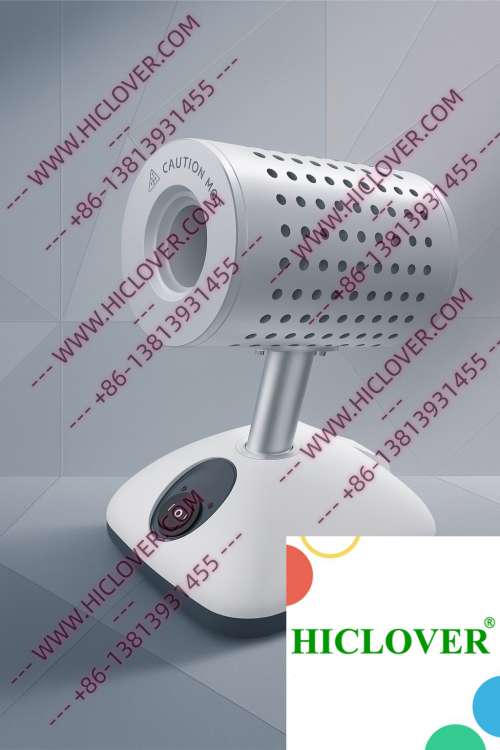
The Micro Incinerator employs a powerful infrared heating mechanism that surpasses traditional flame sterilizers in safety and efficiency. At its core is an enclosed ceramic heating chamber that provides rapid thermal sterilization, with temperatures soaring up to 800°C. This design eliminates the risk of open flames, making it ideal for use in clean rooms or sterile environments where contamination could compromise results. Infrared heat ensures that sterilization is quick and consistent, creating a reliable tool for contamination control in sensitive laboratory settings.
Advantages Over Traditional Flame Sterilizers
- Increased Safety: No flames mean reduced risk of accidental fires and burns.
- Quick Results: Rapid thermal sterilization minimizes downtime.
- Aerosol-Free Handling: Eliminates aerosols, enhancing safety in BSL-2 and BSL-3 labs.
- Sustainability: Energy-efficient design promotes environmental responsibility.
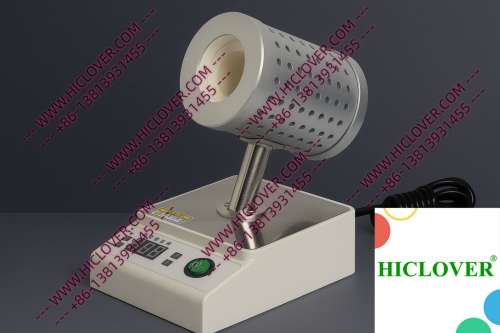
Application Scenarios in Real Labs
The Micro Incinerator finds versatile application across different laboratory settings in Colombia:
1. University Teaching Labs
In educational institutions, the Micro Incinerator serves as a vital teaching tool for students learning about microbiological techniques. Its safe operation allows students to practice sterilization without the risks associated with flame-based methods. The portability and ease of use of the Micro Incinerator also enable effective demonstrations in campus labs, enhancing the learning experience.
2. Clinical Diagnostics and Field Testing
In clinical diagnostic labs and mobile testing environments, the Micro Incinerator is increasingly valuable. It provides quick and effective sterilization of inoculating loops and other micro-tools without the need for bulky equipment traditionally required for flame sterilization. This compact nature aids field application, where safety and efficiency are paramount. Moreover, its enclosed design promotes compliance with strict regulations governing laboratory biosafety.
Compliance and Environmental Considerations
Adhering to biosafety regulations, such as those established by the World Health Organization (WHO) and local health authorities, is crucial for laboratories worldwide. The Micro Incinerator complies with stringent laboratory sterilization standards, ensuring that it meets the rigorous requirements of both BSL-2 and BSL-3 facilities. Unlike traditional sterilizers, it sidesteps the need for open flames, making it suitable for clean rooms where flammable materials might be present. This feature not only enhances safety but also contributes positively to environmental sustainability by minimizing energy consumption and potential pollutants.
Comparison of Sterilization Technologies
| Feature | Micro Incinerator | Traditional Flame Sterilizers |
|---|---|---|
| Safety | No open flame, reducing fire risk | Open flame highly flammable |
| Efficiency | Rapid thermal sterilization in seconds | Longer heating time |
| Portability | Compact and easy to use | Bulky and often requires external fittings |
| Compliance | Meets WHO sterilization standards | Needs careful management in biosafety environments |
| Operational Costs | Energy-efficient | Potentially higher costs due to fuel consumption |
Frequently Asked Questions (FAQs)
What types of labs benefit from using a Micro Incinerator?
Micro Incinerators are especially beneficial in university teaching labs, clinical diagnostics, and mobile or field testing labs where biosafety and rapid sterilization are paramount.
How does a Micro Incinerator compare in safety to traditional flame sterilizers?
It dramatically reduces safety risks as it eliminates open flames, thus preventing potential fires, burns, and contamination risks associated with aerosolized particles that can escape during flame handling.
Are Micro Incinerators compliant with international sterilization standards?
Yes, they comply with WHO biosafety and laboratory sterilization standards, making them suitable for BSL-2 and BSL-3 environments.
How quickly can the Micro Incinerator sterilize inoculating loops?
Micro Incinerators can achieve sterilization in a matter of seconds, significantly improving workflow efficiency.
Is the Micro Incinerator energy-efficient?
Yes, its infrared heating technology uses less energy compared to traditional flame sterilizers, contributing to both operational cost savings and environmental sustainability.
Conclusion
Colombia’s commitment to sustainable solutions in laboratory practices is evident through the adoption of micro incineration technology. With superior safety, efficiency, and compliance features, the Micro Incinerator or Infrared Inoculating Loop Sterilizer is not only a smart choice for modern laboratories but also an essential investment in the future of laboratory sterilization. For suppliers and distributors looking to advance their offerings and meet the needs of evolving laboratory standards, embracing this technology could redefine success in the biotechnological landscape.
If you are interested in enhancing your laboratory’s sterilization capabilities, we invite you to explore our range of Micro Incinerators tailored to meet your specific needs.
Categories:
Tags: