
In the pursuit of sustainable laboratory practices, effective waste management has emerged as a vital challenge. Biosafety and sterilization workflows often demand reliable solutions, especially in environments such as BSL-2 and BSL-3 microbiology laboratories. One innovative technology addressing these needs is the Micro Incinerator, particularly the Infrared Inoculating Loop Sterilizer. This compact and efficient device provides a modern approach to contamination control, aligning with Finland’s environmental goals.
Technical Principles Behind Micro Incinerators
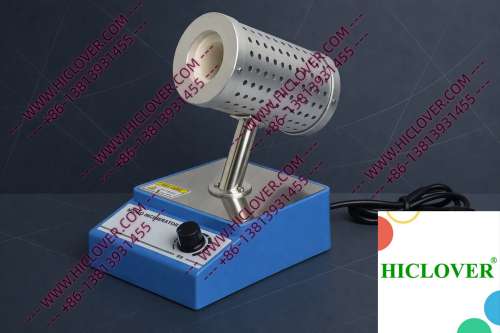
The Micro Incinerator operates on the principle of rapid thermal sterilization. Utilizing infrared heat, this compact device generates high temperatures within an enclosed ceramic tube, allowing for efficient and effective disinfection of inoculating loops and other laboratory tools. The heating element reaches temperatures of up to 1,000°C, providing quick and thorough sterilization without the use of flames or alcohol.
Key features of the Micro Incinerator include:
- Compact Design: Fits easily into various lab settings, including biosafety cabinets.
- Low Environmental Impact: Reduces reliance on traditional flame-based sterilizers, minimizing hazardous emissions.
- Safety Features: Operates with no open flame, reducing risk in sterile environments.
- WHO biosafety standards.
- ISO 13485 for medical devices.
- Local environmental regulations reducing emissions.
Application Scenarios in Real Laboratories
1. Biosafety Cabinets
A prominent application of the Micro Incinerator is within biosafety cabinets. In a BSL-2 lab focused on pathogenic microorganisms, researchers rely on contamination control. Traditional flame sterilizers generate aerosols that pose risks to sterile environments. The Micro Incinerator allows thorough sterilization of loop handles without such hazards. Its placement in a safety cabinet simplifies the workflow, saving time and maintaining compliance with laboratory safety standards.
2. University Teaching Labs
In educational settings, the Micro Incinerator is invaluable for training students in sterile techniques. During microbiology courses, students repeatedly use inoculating loops to transfer cultures. The Infrared Inoculating Loop Sterilizer ensures rapid thermal sterilization between uses, promoting safety and fostering proper lab hygiene practices. Moreover, instructors appreciate its efficacy compared to traditional alcohol lamps, which can be cumbersome and less precise in sterilizing instruments.
Compliance and Environmental Standards
Adhering to biosafety and laboratory sterilization standards is essential, especially in regions like Finland, where environmental sustainability is prioritized. The World Health Organization (WHO) emphasizes the importance of maintaining stringent biosafety protocols to prevent contamination in laboratory settings. Traditional flame sterilizers are often not permitted in clean rooms due to safety hazards.
Micro Incinerators excel in this regard, complying with:
Advantages of Micro Incinerators Over Traditional Flame Sterilizers
| Feature | Micro Incinerator | Flame Burners |
|---|---|---|
| Heat Source | Infrared Technology | Open Flame |
| Safety | No open flame, aerosol-free handling | Risk of burns, contamination |
| Environmental Impact | Low emissions, energy efficient | Higher emissions, fuel reliance |
| Speed of Sterilization | Rapid thermal sterilization | Slower, less efficient |
Frequently Asked Questions
What types of laboratories can benefit from using Micro Incinerators?
Micro Incinerators are well-suited for BSL-2 and BSL-3 microbiology labs, clinical diagnostics, university teaching labs, and even mobile field testing labs.
How does the Micro Incinerator comply with laboratory sterilization standards?
It adheres to WHO biosafety guidelines and ISO 13485 regulations, ensuring safe and effective sterilization in clean environments.
Are Micro Incinerators energy efficient?
Yes, Micro Incinerators employ infrared technology, making them more energy-efficient than traditional flame-based solutions, which rely on fuel and generate more emissions.
What maintenance is required for the Micro Incinerator?
Maintenance involves routine cleaning of the ceramic tube and ensuring the unit is operating within specified temperatures to maintain its efficacy.
How long does it take to sterilize tools using a Micro Incinerator?
The sterilization process typically takes just a few seconds, providing rapid results that enhance laboratory workflow.
Conclusion
As Finland endeavors to tackle waste management challenges through innovative solutions, the Micro Incinerator stands out as a powerful ally in modern laboratory environments. With its commitment to safety, efficiency, and environmental sustainability, it represents a significant advancement in sterilization technology. For laboratories looking to improve workflows and ensure compliance with stringent sterilization standards, investing in a Micro Incinerator is a step in the right direction. Reach out to us today to learn more about our Micro Incinerators and how they can elevate your laboratory operations.
Categories:
Tags: