
The Contemporary Challenges of Laboratory Biosafety
As the global focus on biosafety intensifies, laboratories face mounting challenges in managing biological hazards while ensuring effective sterilization processes. The need for efficient and reliable sterilization equipment has never been more critical, especially in settings like BSL-2 and BSL-3 microbiology laboratories, clinical diagnostics, and university teaching labs. In this context, the integration of micro incinerators emerges as a pivotal solution to address these persistent laboratory sterilization workflow demands.
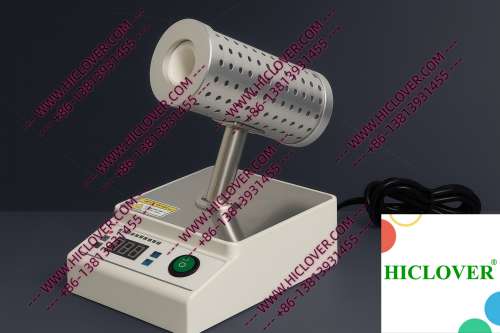
Understanding Micro Incinerators and Their Technical Principles
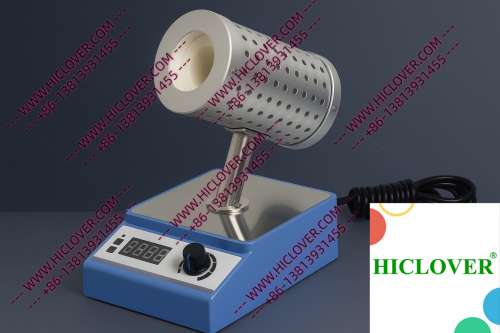
Micro incinerators, specifically the Infrared Inoculating Loop Sterilizer, are sophisticated devices designed to provide rapid thermal sterilization through the use of infrared heat. Unlike traditional flame sterilizers, these devices utilize an enclosed ceramic tube that ensures high-temperature disinfection while minimizing the risk of contamination.
The principle of operation is straightforward yet effective. The ceramic heating chamber reaches operational temperatures within seconds, allowing for the efficient sterilization of inoculating loops, needles, and other lab tools. By using infrared radiation, micro incinerators deliver controlled energy directly to the sterilizing surface, ensuring operations are both clean and efficient, facilitating aerosol-free handling.
Real-World Applications of Micro Incinerators
- Biosafety Cabinets: In BSL-2 laboratories, micro incinerators are often deployed within biosafety cabinets to ensure that sterile tools used in handling pathogenic organisms are consistently sanitized without introducing open flames or aerosol contaminants.
- Teaching Labs: Educational institutions utilize these devices as teaching aids, demonstrating the principles of sterilization while providing students hands-on experience. The ease of use and safety features make them ideal for classroom settings, where traditional flame sterilizers may pose risks.
Compliance with Global Biosafety Standards
The World Health Organization (WHO) emphasizes strict adherence to biosafety protocols to prevent laboratory-acquired infections, particularly in environments handling infectious materials. Micro incinerators align with these standards by providing an efficient, flame-free sterilization alternative that reduces the risk of fire hazards and contamination.
Moreover, laboratories are increasingly required to comply with local regulations regarding sterilization processes. In regions like the United States and European Union, lab sterilization equipment must meet stringent guidelines that encourage practices ensuring minimal biohazard exposure.
Advantages of Micro Incinerators Over Traditional Flame Sterilizers
| Feature | Micro Incinerator | Flame Sterilizer |
|---|---|---|
| Aerosol Generation | No | Yes |
| Risk of Explosions | Low | High |
| Heat Control | Precise | Variable |
| Safety in Clean Rooms | Yes | No |
Enhancing Workflow Efficiency in Laboratories
Micro incinerators significantly enhance laboratory workflows by simplifying the sterilization process, reducing downtime between operations, and improving safety protocols. The compact design allows for easy integration into existing laboratory setups, whether being used in a clinical diagnostics facility or a mobile field testing lab.
By replacing traditional alcohol lamps and Bunsen burners with micro incinerators, labs can create a more efficient working environment that prioritizes safety and compliance. The availability of these advanced sterilization tools enables laboratories to focus more on their scientific pursuits rather than manual sterilization techniques.
Frequently Asked Questions
- How long does it take to sterilize tools using a micro incinerator?
The infrared inoculating loop sterilizer can reach optimal sterilization temperatures in seconds, making it much faster than traditional flame methods. - Is a micro incinerator safe to use in a BSL-3 lab?
Yes, micro incinerators are designed to operate safely within BSL-3 labs, ensuring compliance with strict biosafety and contamination control measures. - What types of tools can be sterilized using a micro incinerator?
A variety of laboratory tools such as inoculating loops, needles, and other metal implements can be sterilized effectively using a micro incinerator. - Are micro incinerators energy efficient?
Yes, they consume less energy compared to traditional flame sterilizers due to their rapid heating capabilities. - Can micro incinerators be used in field testing environments?
Absolutely! Their portable design makes them ideal for use in various field testing scenarios where sterilization is required without the need for open flames.
Conclusion: A Step Towards a Safer Future for Laboratories
In the ever-evolving landscape of laboratory safety and regulatory compliance, micro incinerators stand out as a transformative solution for efficient medical waste management and sterilization. Beyond improving biosafety outcomes, they exemplify the integration of sustainability within laboratory practices. As laboratories and educational institutions prioritize safety and efficiency, the demand for micro incinerators will only continue to grow.
If you are ready to enhance your laboratory’s sterilization capabilities and ensure compliance with the latest biosafety standards, contact us today to learn more about our range of micro incinerator products!
Categories:
Tags: