
As laboratories increasingly face stringent biosafety regulations and a growing need for effective waste management, the importance of innovative sterilization solutions cannot be overstated. Traditional methods like alcohol lamps and Bunsen burners have their limitations, often posing safety risks and environmental challenges. This is where micro incinerators, particularly the infrared inoculating loop sterilizer, emerge as a vital tool in modern laboratory practices.
Understanding the Principles of Micro Incinerators
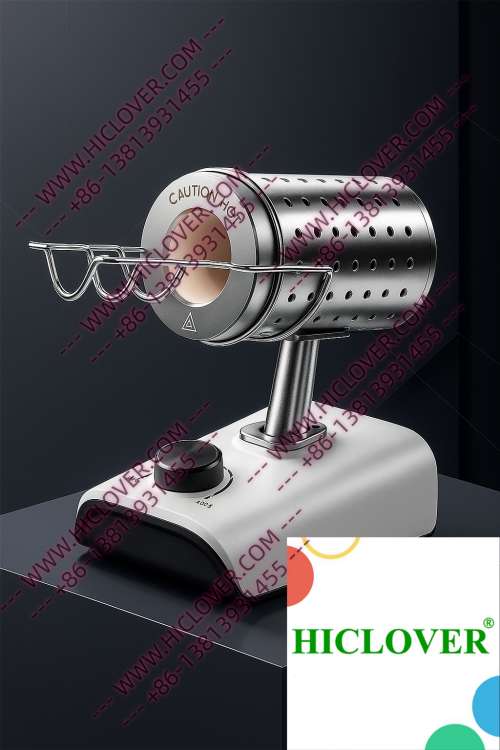
Micro incinerators leverage rapid thermal sterilization principles to achieve high-temperature disinfection rapidly and efficiently. The key technology involves an enclosed ceramic heating chamber that emits infrared heat, capable of reaching temperatures above 800°C. This method ensures total destruction of biological materials without generating harmful aerosols or open flames, making it a clean-bench-safe option.
Unlike traditional flame sterilizers, micro incinerators provide precise temperature control, minimizing the risk of overheated materials and ensuring consistent sterilization outcomes across various laboratory environments. Their compact design maximizes usability in confined spaces, such as biosafety cabinets, and improves workflow by reducing waiting times between sterilization cycles.
Application Scenarios in Real Labs
1. BSL-2 and BSL-3 Microbiology Labs
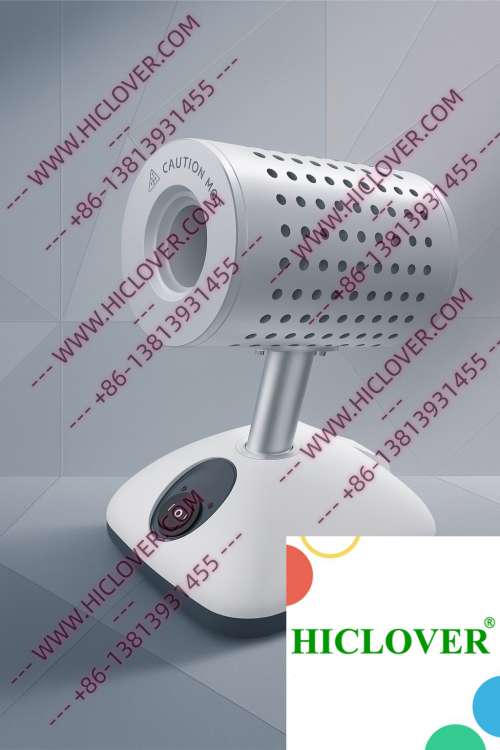
In BSL-2 and BSL-3 laboratories, safety is paramount. Micro incinerators seamlessly integrate into biosafety cabinets, providing lab technicians with a safe sterilization method that is compliant with WHO biosafety standards. For instance, during microbiological work involving pathogenic organisms, the use of an infrared inoculating loop sterilizer allows technicians to effectively eliminate microbial contaminants without the risks associated with live flames. Its precision and reliability enhance contamination control and ensure laboratory safety during experiments.
2. University Teaching Labs
In educational settings, particularly in university teaching labs, micro incinerators are invaluable for training future scientists in sterilization techniques. Students can learn proper handling techniques without the hazards of traditional flame sterilizers. Instructors can demonstrate rapid thermal sterilization processes using these devices while providing hands-on experience. This is not only safer but also enables efficient workflows, allowing more time to dedicate to experimental design and research activities.
Compliance and Environmental Standards
The use of micro incinerators aligns with several international biosafety standards, particularly mandated by the WHO. These standards advocate for the safe handling of biological materials and endorse methods that minimize environmental impacts. Micro incinerators facilitate a sterile environment without the risks of flame exposure, making it an ideal choice for clean rooms where open flames are prohibited.
Moreover, the adoption of this technology significantly reduces lab waste pollution compared to traditional methods. The enclosed system of a micro incinerator ensures complete combustion of biological waste, contributing to a more sustainable laboratory infrastructure.
Advantages of Micro Incinerators Over Traditional Flame Sterilizers
There are remarkable benefits in choosing micro incinerators over traditional flame sterilizers:
- Safety: Eliminates open flame risks.
- Efficiency: Rapid thermal sterilization ensures less waiting time.
- Environmental Impact: Reduced aerosol generation and lab waste pollution.
- Precision: Exact temperature control to avoid overheating.
- Portability: Compact design fits into small workspaces.
Comparison Table: Micro Incinerator vs. Flame Burners
| Feature | Micro Incinerator | Traditional Flame Sterilizer |
|---|---|---|
| Heat Source | Infrared ceramic heating | Open flame (Bunsen burner, alcohol lamp) |
| Safety | No open flame | Fire hazard |
| Speed of Sterilization | Rapid | Variable |
| Environmental Impact | Low (no aerosols) | Higher (aerosol generation) |
| Temperature Control | Precise | Variable |
Frequently Asked Questions
What is a micro incinerator, and how does it work?
A micro incinerator is a sterilization device that uses infrared heat to achieve high-temperature disinfection, enabling safe sterilization of inoculating loops and other lab equipment without open flames.
Are micro incinerators compliant with laboratory safety standards?
Yes, micro incinerators comply with WHO biosafety standards and other lab sterilization protocols, ensuring safety in laboratory environments.
Where can I use a micro incinerator?
Micro incinerators can be used in various settings, including BSL-2/BSL-3 labs, university teaching labs, and mobile or field testing laboratories.
What are the advantages of using a micro incinerator over traditional methods?
Micro incinerators offer improved safety, rapid thermal sterilization, reduced environmental impact, precise temperature control, and compact design compared to traditional flame sterilizers.
Can micro incinerators be used in clean rooms?
Yes, micro incinerators are suitable for use in clean rooms, as they do not produce open flames, making them safe to operate in such sterile environments.
Conclusion
The transition towards micro incinerators represents a significant leap in sustainable laboratory practices. By mitigating safety risks, adhering to compliance standards, and enhancing operational efficiency, micro incinerators offer a superior solution for lab waste management and sterilization. If you are interested in optimizing your laboratory sterilization processes, we encourage you to explore the benefits of micro incinerators today. Contact us for a consultation or to discuss available options tailored to your specific laboratory needs.
Categories:
Tags: