
In laboratories across Malaysia, the prevailing need for effective biosafety solutions intertwines with the demand for enhanced sterilization workflows. With the growing concern about environmental sustainability, traditional flame sterilization methods are being scrutinized for their efficiency and safety. Micro Incinerators, particularly the Infrared Inoculating Loop Sterilizer, offer an innovative approach to contamination control, ensuring rapid thermal sterilization while addressing environmental challenges.
Understanding the Technical Principles of Micro Incinerators
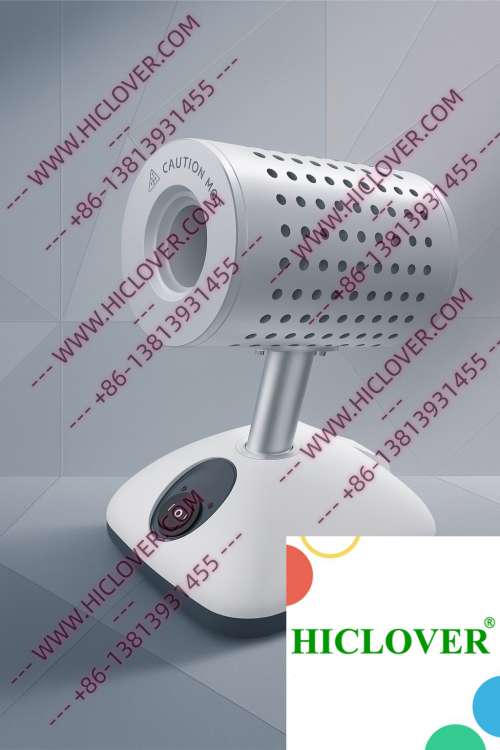
Micro Incinerators leverage infrared heat technology for sterilization. Unlike conventional methods that rely on open flames, these devices utilize an enclosed ceramic heating chamber to emit high temperatures quickly and efficiently. This design minimizes airborne contaminants and provides a clean, flame-free sterilization process essential for modern laboratory settings.
Features of the Infrared Inoculating Loop Sterilizer
- Rapid Thermal Sterilization: Achieves sterilization in seconds, ensuring efficient workflow.
- Controlled Heating: Temperature can be precisely controlled to avoid damaging heat-sensitive materials.
- Clean-Bench-Safe Operation: No open flames eliminate the risk of aerosol contamination.
- Durable Construction: Built with high-quality materials to withstand the rigors of laboratory use.
- No open flames in laboratories to prevent fire hazards.
- Aerosol-free handling to minimize the risk of airborne pathogens.
- Efficient sterilization protocols that meet WHO biosafety requirements.
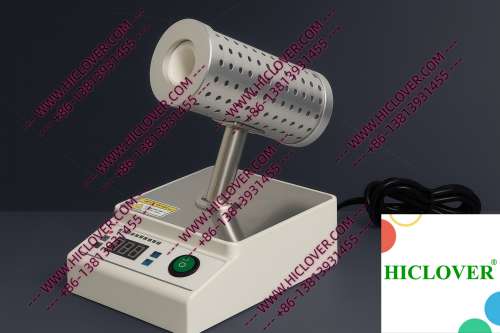
Applications of Micro Incinerators in Laboratories
The versatility of Micro Incinerators makes them suitable for a range of laboratory environments. Here are two compelling application scenarios:
1. BSL-2 Microbiology Labs
In BSL-2 laboratories, where infectious agents capable of causing human diseases are handled, maintaining strict contamination control is crucial. The Infrared Inoculating Loop Sterilizer allows microbiologists to sterilize inoculating loops and needles quickly before and after use, ensuring no cross-contamination occurs during experiments. As a bonus, these devices enhance laboratory safety by minimizing the risks associated with traditional flame-based methods.
2. University Teaching Labs
Educational institutions in Malaysia face unique challenges, where students must be trained in sterile techniques without exposing them to flame risks. Using Micro Incinerators in university teaching labs not only simplifies the sterilization process but also cultivates a safety-focused culture among budding scientists. Here, students can engage in hands-on experiments with effective sterilization protocols easily integrated into their workflow.
Compliance and Environmental Considerations
Complying with appropriate biosafety regulations is vital in laboratory settings. According to the World Health Organization (WHO), maintaining a high level of biosafety is not only essential for laboratory personnel but also for public health. In light of this, laboratories must adhere to sterilization standards that discourage flame use, especially in cleanrooms where volatile substances might be present.
Micro Incinerators, by design, support compliance with international sterilization standards which advocate for:
Comparison between Micro Incinerators and Traditional Flame Sterilizers
| Feature | Micro Incinerator | Flame Sterilizer |
|---|---|---|
| Efficiency | Rapid sterilization in seconds | Variable time, flame dependent |
| Safety | Flame-free operation | Fire hazard and risk of contamination |
| Environmentally Friendly | Low emissions, high control | Higher emissions and vapors |
| Usability | Simple, quick setup | Requires skill to operate safely |
Frequently Asked Questions
What is a Micro Incinerator and how is it used in labs?
A Micro Incinerator is a laboratory device that uses infrared heat to sterilize inoculating loops, needles, and other lab tools rapidly, minimizing contamination risks.
How does the Infrared Inoculating Loop Sterilizer compare to traditional methods?
It offers faster sterilization times, enhanced safety, and reduced environmental impact compared to flame sterilizers.
Are Micro Incinerators compliant with biosafety regulations?
Yes, they meet WHO standards for sterilization and biosafety, promoting a safer working environment.
Can Micro Incinerators be used in cleanroom environments?
Absolutely! Their flame-free operation makes them ideal for cleanrooms and other sensitive laboratory settings.
What aspects should I consider when purchasing a Micro Incinerator?
Look for features like temperature control, ease of use, safety ratings, and compliance with relevant biosafety standards.
Conclusion
In summary, the use of Micro Incinerators in Malaysian laboratories signifies a leap towards sustainable and environmentally responsible practices in sterilization. With their advanced capabilities in rapid thermal sterilization and compliance with biosafety standards, these devices can transform the way laboratories function, ensuring safety and efficacy while reducing environmental impact. For laboratory supply distributors, hospitals, and educational institutions interested in upgrading their sterilization methods, reaching out for a Micro Incinerator could be the pivotal step towards a safer future.
Categories:
Tags: