
In the ever-evolving landscape of laboratory biosafety, the demand for effective sterilization methods continues to grow. Laboratories face multiple challenges in maintaining contamination control and ensuring a sterile environment, especially in high-stakes settings like BSL-2 and BSL-3 microbiology labs. Conventional flame sterilizers, such as Bunsen burners and alcohol lamps, while widely used, pose significant risks including aerosol generation and the potential for open flame accidents. This article explores the innovative Micro Incinerator, or Infrared Inoculating Loop Sterilizer, a cutting-edge solution that meets these challenges with unprecedented efficiency.
How Micro Incinerators Work
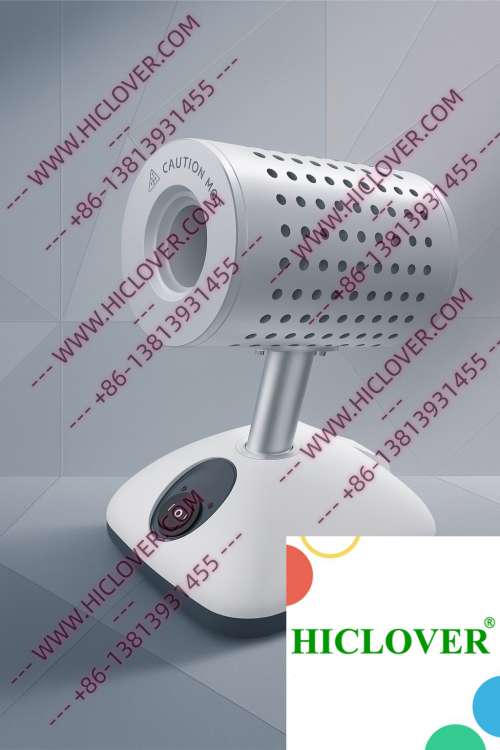
The Micro Incinerator utilizes infrared heat to provide rapid thermal sterilization, efficiently eliminating microbial contaminants from inoculating loops, needles, and other lab instruments. At its core, this technology is designed around a ceramic heating chamber, which delivers a uniform heat distribution, ensuring that every surface reaches the necessary temperatures for effective disinfection.
Unlike traditional sterilizers, the Micro Incinerator operates within an enclosed system, minimizing the risk of contamination and aerosolization. The infrared heating element provides a high-temperature disinfection methodology, significantly reducing the drying times associated with standard sterilization techniques. This design not only prioritizes user safety but also fosters optimal workflow in busy laboratories.
Application Scenarios in Real Labs
Micro Incinerators have found their place in various laboratory environments, catering to unique procedural requirements:
Biosafety Cabinets
- Enhanced Sterilization: Within a biosafety cabinet, the Micro Incinerator provides a clean-bench-safe option for sterilizing tools without introducing contaminants into the sterile environment.
- Reactive Processing: Users can rapidly sterilize instruments between sample preparations, ensuring that each specimen is handled aseptically.
Field Testing Laboratories
- Portable Sterilization Solutions: For mobile labs conducting field testing, the Micro Incinerator offers a lightweight and robust solution that allows researchers to maintain sterilization protocols in varied environments without reliance on traditional flame sources.
- Versatile Handling: This technology facilitates the safe handling of samples in outdoor or remote locations where traditional sterilizers might be unsafe or impractical.
Compliance and Environmental Considerations
In the realm of laboratory safety and compliance, the Micro Incinerator adheres to stringent WHO biosafety standards and laboratory sterilization guidelines. It addresses the need for no open flames in clean rooms, significantly reducing fire hazards while promoting a safer working atmosphere. This compliance extends beyond just safety; using a Micro Incinerator minimizes the environmental footprint by reducing waste associated with disposable sterilization methods, aligning with sustainable laboratory practices.
Comparison Table: Micro Incinerator vs. Traditional Flame Burners
| Feature | Micro Incinerator | Traditional Flame Burners |
|---|---|---|
| Flame Safety | Enclosed, no open flame | Open flame, fire hazard |
| Contamination Control | Aerosol-free handling | Potential aerosol generation |
| Heat Source | Infrared technology | Alcohol or gas flame |
| Efficiency | Rapid sterilization times | Slower, requiring cooling times |
Frequently Asked Questions (FAQs)
As laboratories contemplate the transition to advanced sterilization solutions, here are some frequently asked questions:
- What are the primary benefits of using a Micro Incinerator compared to traditional methods? Micro Incinerators reduce fire risk, enhance contamination control, and offer rapid sterilization.
- Can Micro Incinerators be used in mobile lab settings? Yes, their portability and efficient design make them an ideal choice for field testing and mobile labs.
- Are Micro Incinerators compliant with safety regulations? Absolutely! They adhere to WHO biosafety standards and are suitable for use in clean environments.
- How do I maintain a Micro Incinerator? Regular cleaning of the ceramic tube and ensuring that the heating components are free of debris will help maintain its efficacy.
- What types of materials can be sterilized with a Micro Incinerator? It is primarily designed for inoculating loops, needles, and similar lab instruments.
Conclusion
In the pursuit of enhanced biosafety and operational efficiency, the Micro Incinerator stands as an exemplary sterilization technology. Its numerous advantages over traditional flame sterilizers become evident in both clinical and educational settings. For organizations aiming to modernize their sterilization practices, the Micro Incinerator is not just an option; it’s a solution that promotes safety, efficiency, and compliance. For further insights, inquiries, or purchasing information, feel free to reach out to our knowledgeable team today!
Categories:
Tags: