
In today’s laboratory setting, the emphasis on biosafety and sterilization efficiency is paramount. Researchers and laboratory technicians face numerous challenges regarding contamination control and maintaining compliance with rigorous health standards. Traditional sterilizing methods, such as alcohol lamps and Bunsen burners, can introduce risks of open flames, aerosols, and inconsistent sterilization results. Consequently, the push for innovative solutions like Micro Incinerators and Infrared Inoculating Loop Sterilizers has gained traction, particularly in eco-conscious markets like Japan.
Understanding the Technical Principles of Infrared Sterilization
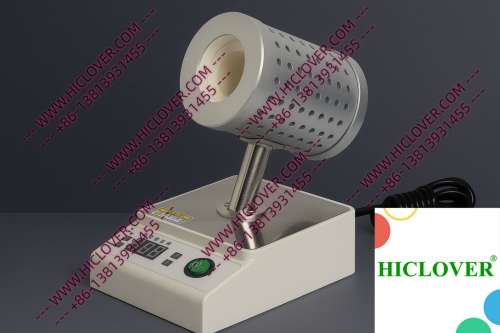
The Micro Incinerator or Infrared Inoculating Loop Sterilizer exemplifies modern, sustainable sterilization technology. This innovative equipment utilizes infrared heat within a thermally enclosed ceramic tube to achieve rapid thermal sterilization of inoculating loops and other laboratory implements. The enclosed design not only minimizes contamination risks by preventing external particles and aerosol exposures but also significantly reduces the time required for sterilization—taking as little as 5 seconds to achieve complete disinfection.
Unlike traditional flame-based sterilizers, which have the potential to spread contaminants and create biohazardous situations, the infrared models maintain a clean and controlled environment. The ceramic heating chamber allows for even heat distribution, ensuring that every part of the loop is consistently sterilized at a safe, high temperature.
Applications in Real Laboratories
Micro Incinerators are particularly useful in a variety of laboratory settings where biosafety protocols are critical. Here are two prominent application scenarios:
- Biosafety Cabinets: In BSL-2 and BSL-3 microbiology labs, the use of Micro Incinerators minimizes contamination risks while allowing researchers to work safely within a controlled airflow environment. With the ability to sterilize tools between uses, these devices enhance biosafety, enabling sterile practices without the smoke and flame hazards of traditional burners.
- University Teaching Labs: Educational institutions frequently employ Infrared Inoculating Loop Sterilizers in teaching labs. The straightforward operation and rapid sterilization times make it ideal for students learning a variety of microbiology techniques. Instructors can focus on teaching while ensuring that sterilization is efficient, safe, and devoid of flame-related risks.
Compliance and Environmental Impact
Adhering to global biosafety standards is crucial for any laboratory that practices microbiological testing. The World Health Organization (WHO) and various regulatory bodies have established stringent lab sterilization protocols that emphasize the importance of eliminating open flames and aerosol generation in clean environments. The Micro Incinerator is compliant with WHO biosafety regulations, making it an ideal choice for labs focused on infection control and high safety standards.
Moreover, considering the increasing demand for low-impact ecological practices, these sterilizers not only operate with reduced emissions compared to traditional methods but also support a sustainable laboratory environment. Implementing Micro Incinerators contributes to less energy consumption over time and decreases waste generation, solidifying their role in the future of eco-friendly laboratory practices.
Comparative Analysis: Micro Incinerator vs. Flame Burners
| Feature | Micro Incinerator | Flame Burners |
|---|---|---|
| Operation | Infrared heat, rapid sterilization | Open flame, combustion |
| Safety | No flame, reduced contamination | Hazardous, aerosol risk |
| Energy Efficiency | Lower energy consumption | Higher energy waste |
| Certification | Meets WHO standards | Variable compliance |
Frequently Asked Questions
- What is the sterilization time for a Micro Incinerator? The sterilization time is typically 5 seconds, making it highly efficient for rapid use.
- Can the Micro Incinerator be used in field testing environments? Yes, its compact design makes it suitable for mobile or field testing lab operations.
- What regulatory standards does this sterilizer comply with? The Micro Incinerator meets WHO biosafety standards, ensuring compliance for safe laboratory practices.
- Can it be used in anaerobic chamber operations? Yes, it is ideal for maintaining sterility in anaerobic environments without contaminating the chamber.
- How does the Micro Incinerator improve laboratory workflow? By reducing unnecessary waiting times and enhancing safety, allowing technicians to focus more on their research and experiments.
Conclusion: A Step Towards Eco-Friendly Practices
In an era where sustainability and safety are interlinked, the transition from traditional flame sterilizers to advanced Micro Incinerators and Infrared Inoculating Loop Sterilizers heralds a new age for laboratories, particularly in Japan. By addressing biosafety challenges and promoting eco-friendly practices, these modern sterilization solutions mark a significant step in the right direction for healthcare and research environments.
If you’re ready to enhance your laboratory sterilization processes with the latest technology in eco-friendly practices, we invite you to contact us for more information or to make a purchase. Join the movement toward smarter, safer, and more sustainable laboratory operations today!
Categories:
Tags: