
In modern laboratories and healthcare facilities, managing biosafety challenges while maintaining effective sterilization procedures remains vital. As contamination control becomes increasingly critical, Salem Hospital has embraced a pioneering solution: the Micro Incinerator, particularly the Infrared Inoculating Loop Sterilizer. This innovative device addresses numerous operational hurdles faced by lab personnel, providing a reliable alternative to traditional flame sterilizers.
Understanding the Technology Behind Micro Incinerators
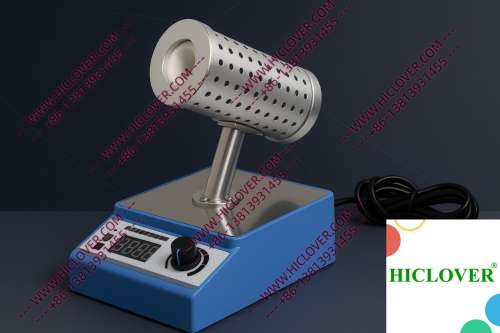
The Micro Incinerator operates using infrared heating technology, which provides rapid thermal sterilization without the use of flames. Unlike conventional methods such as alcohol lamps or Bunsen burners, the Micro Incinerator harnesses the power of enclosed ceramic heating chambers. This design safely contains the heat and manages aerosols, making it a clean-bench-safe option for sensitive environments.
The ceramic tube can reach temperatures upwards of 800°C in a matter of seconds, enabling quick and efficient sterilization of inoculating loops and other microbiological instruments. This high-temperature disinfection method ensures that researchers and lab technicians can achieve thorough sterilization, which is essential for maintaining sample integrity and minimizing cross-contamination.
Applications in Real Laboratory Environments
1. Biosafety Cabinets
In BSL-2 and BSL-3 microbiology labs, stringent biosafety protocols are necessary to prevent contamination and exposure to hazardous pathogens. The Micro Incinerator can be seamlessly integrated into the workflow of these controlled environments. When working within a biosafety cabinet, lab personnel can efficiently sterilize loops and tools without creating flames, thus maintaining the clean and secure atmosphere required for various microbiological tasks.
2. Mobile or Field Testing Labs
Researchers conducting field tests in remote locations often face unique challenges relating to sterilization and waste disposal. The portability and efficient operation of micro incinerators make them invaluable in such scenarios. Their compact design allows for easy transport, enabling researchers to manage biohazardous waste on-site without compromising safety or regulatory compliance. In addition, field labs equipped with these devices can eliminate the need for bulky flame sterilizers, making them more adaptable to varied testing environments.
Compliance and Environmental Considerations
Adhering to global biosafety standards is crucial for laboratories to ensure safe practice and minimize risks. According to the World Health Organization (WHO), effective sterilization methods should not only eliminate pathogens but also guarantee environmental safety. The Micro Incinerator aligns with WHO biosafety guidelines by providing a flame-free option that significantly reduces aerosol generation, thus safeguarding lab personnel.
Moreover, the Micro Incinerator’s design and operation satisfy essential sterilization standards. Unlike flame-based systems, which can produce hazardous combustion products, the ceramic heating chamber ensures a safe and clean process, especially within clean rooms. Its ability to efficiently destroy biohazardous waste on-site also contributes to waste reduction, complementing modern laboratory sustainability initiatives.
Advantages of Micro Incinerators Over Traditional Flame Sterilizers
| Feature | Micro Incinerator | Flame Sterilizers |
|---|---|---|
| Safety | Flame-free operation minimizes risks | Open flame creates fire hazards |
| Speed | Rapid thermal sterilization in seconds | Longer wait time for heating |
| Contamination Control | No aerosol production | Aerosol generation can occur |
| Portability | Compact and easily transportable | Can be bulky and harder to transport |
| Clean Room Safe | Meets clean room protocols | Not suitable for clean rooms |
Frequently Asked Questions
- What makes the Micro Incinerator suitable for high-biosafety environments?
The enclosed ceramic tube and infrared heat eliminate contamination risks, making it ideal for BSL-2 and BSL-3 labs. - How does the Micro Incinerator compare in terms of efficiency?
Its ability to reach high temperatures quickly allows for rapid thermal sterilization, unlike traditional flame solutions. - Can the Micro Incinerator be used in field testing setups?
Yes, its compact design is perfect for mobile labs, facilitating on-site waste management and sterilization. - Is it compliant with international sterilization standards?
Absolutely, the Micro Incinerator adheres to WHO biosafety guidelines and other essential sterilization standards. - What are the environmental benefits of using a Micro Incinerator?
It significantly reduces waste and avoids the release of harmful combustion products found in flame sterilizers.
Conclusion
With laboratory biosafety and effective sterilization at the forefront of modern research, Salem Hospital’s Micro Incinerator presents a cutting-edge solution for efficiently managing medical waste. Its innovative infrared technology and compact design provide significant advantages over traditional flame sterilizers. By investing in a Micro Incinerator, laboratories can not only enhance workflow efficacy but also ensure compliance with stringent biosafety standards. For more information on how to acquire this essential laboratory equipment, don’t hesitate to reach out to us today!
Categories:
Tags: