
The landscape of waste management in Thailand is undergoing a significant transformation as the country grapples with the pressing issue of escalating trash levels. Traditional disposal methods often fail to address the increasing contamination risks, particularly in regions reliant on efficient laboratory biosafety standards. This scenario raises critical questions about how emerging technologies can streamline waste disposal while concurrently ensuring environmental and laboratory safety. Enter the Micro Incinerator / Infrared Inoculating Loop Sterilizer—a solution offering rapid sterilization, contamination control, and significant benefits compared to conventional flame sterilizers.
The Technical Principle Behind Micro Incinerators
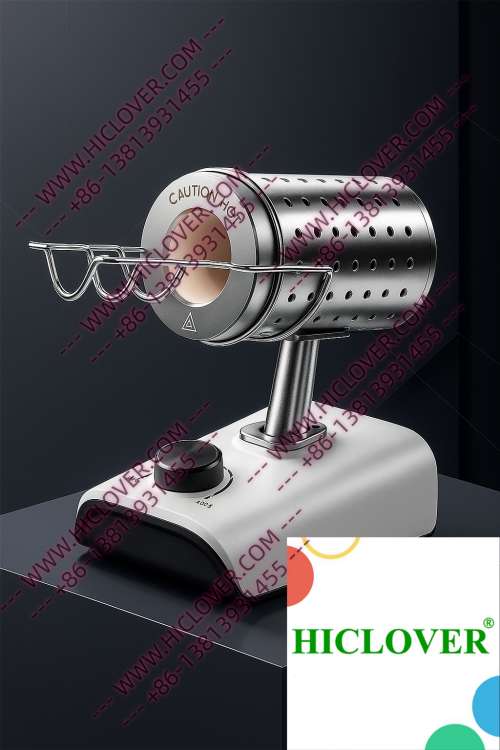
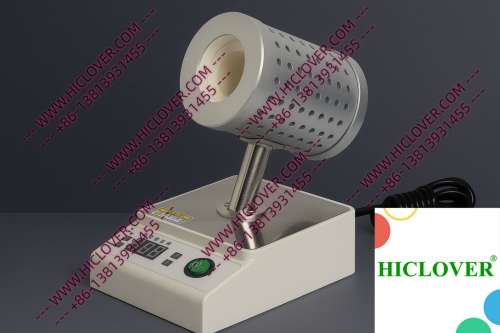
Micro Incinerators operate on the cutting-edge principle of infrared heat generated within an enclosed ceramic heating chamber. This innovative design allows for high-temperature disinfection (up to 850°C), ensuring effective sterilization without the risk of flames or aerosols. Unlike traditional methods involving Bunsen burners or alcohol lamps, which often create an unstable and hazardous environment, micro incinerators deliver a clean-bench-safe solution. The user-friendly controls and precise temperature settings facilitate consistent and efficient sterilization, crucial for today’s biosafety cabinet workflows.
Advantages Over Traditional Flame Sterilizers
| Feature | Micro Incinerator | Flame Sterilizers |
|---|---|---|
| Sterilization Method | Infrared heat | Open flame |
| Contamination Control | Closed chamber | Risk of fluctuation |
| Safety | No flame operation | Flammable materials pose risk |
| Temperature Consistency | Rapid thermal sterilization | Inconsistent |
Application Scenarios in Modern Labs
Micro Incinerators have found their place in multiple laboratory environments, demonstrating versatility that is crucial for biosafety compliance and workflow efficiency. Here are two prevalent application scenarios:
- Biosafety Cabinets: In BSL-2 and BSL-3 microbiology labs, micro incinerators are increasingly integrated into biosafety cabinets, allowing for efficient sterilization of inoculating loops, needles, and other instruments while limiting exposure to biological hazards.
- Field Testing Labs: Mobile labs often operate in diverse environments where traditional flame sterilizers may not be practical. The easy portability and self-contained nature of micro incinerators make them ideal for rapid sterilization in field conditions, from environmental testing to clinical diagnostics.
Compliance with International Standards
Laboratory sterilization practices are governed by stringent safety regulations, including guidelines from the World Health Organization (WHO). Compliance with these biosafety standards is critical for ensuring laboratory personnel and environmental safety. Micro Incinerators play a vital role by eliminating the need for open flames in clean rooms and adhering to the following:
- WHO biosafety guidelines
- ISO 13485 for laboratory sterilization standards
- Federal regulations for laboratory waste management
By facilitating aerosol-free handling and reducing contamination risk, the Micro Incinerator helps laboratories maintain high safety levels while simplifying the sterilization workflow.
Key Features of Micro Incinerators
When considering the purchase of laboratory sterilization equipment, it is crucial to understand the features that set micro incinerators apart:
- Rapid Thermal Sterilization: Achieves rapid results, ensuring a swift workflow.
- Contamination Control: Enclosed ceramic tube design minimizes exposure and risk.
- Environmentally Friendly: Reduces waste and promotes sustainability in laboratory settings.
- Compact Design: Space-saving configurations are ideal for crowded lab environments.
Frequently Asked Questions (FAQs)
Here are some common inquiries concerning micro incinerators:
- What is the primary benefit of using a micro incinerator in a laboratory? Micro incinerators offer rapid and efficient sterilization without the risks associated with open flames, ensuring a safer working environment.
- Can micro incinerators be used in field testing scenarios? Yes, they are portable and designed for use in various environments, including mobile and outside laboratories.
- How does the sterilization speed compare to traditional methods? Micro incinerators significantly reduce sterilization time compared to alcohol lamps and Bunsen burners, providing efficiency and reliability.
- What are the safety features of micro incinerators? The enclosed ceramic heating tube minimizes the risk of burns and regulates temperature effectively, making it safe to operate in clean environments.
Conclusion
As Thailand seeks to improve its waste management practices, the introduction of micro incinerators as a reliable solution speaks volumes about innovation in laboratory and environmental safety. Their rapid sterilization capabilities, comprehensive biosafety compliance, and versatility in various applications make them an indispensable tool in the modern laboratory ecosystem. We invite distributors, hospitals, universities, and research centers looking to optimize their waste disposal methods to reach out for more tactical insights into how these state-of-the-art sterilizers can benefit their specific workflows. Contact us today to learn more about empowering your laboratory with the Micro Incinerator / Infrared Inoculating Loop Sterilizer.