
In the bustling metropolis of Tokyo, the ever-growing challenge of waste management has reached critical levels, pushing laboratories to seek innovative solutions that meet biosafety standards while ensuring effective sterilization. In this realm, the Micro Incinerator / Infrared Inoculating Loop Sterilizer has emerged as a revolutionary tool. This article explores how these advanced sterilization devices not only address the waste crisis but also fundamentally improve laboratory workflows and safety.
Understanding Laboratory Biosafety Challenges
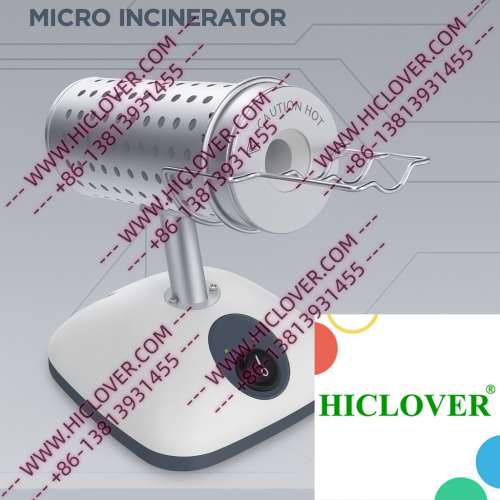
Laboratories, especially those operating at BSL-2 and BSL-3 levels, face stringent biosafety challenges in controlling contamination. Traditional sterilization methods, such as alcohol lamps and Bunsen burners, are often less effective and potentially hazardous, creating aerosols that can compromise a clean environment. In contrast, micro incinerators offer a flame-free solution, rapidly achieving high temperatures that effectively inactivate microorganisms and other contaminants.
The Technical Principle Behind Micro Incinerators
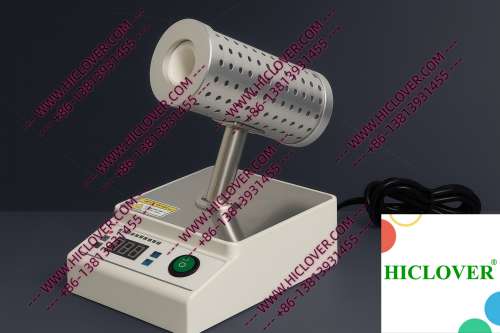
The core principle of the Micro Incinerator lies in its unique heating technology. Unlike traditional flame sterilizers that rely on an open flame, micro incinerators utilize infrared heat generated within an enclosed ceramic heating chamber. This design ensures high-temperature disinfection without the risk of open flames, making it a safer choice for sensitive laboratory settings.
- Enclosed Ceramic Tube: Provides efficient heat retention and rapid sterilization of inoculating loops and tools.
- Infrared High-Temperature Disinfection: Achieves temperatures exceeding 800°C almost instantaneously, effectively denaturing proteins.
- Clean-Bench-Safe Design: Prevents contamination and enhances airflow within sterile environments like biosafety cabinets.
Application Scenarios in Modern Labs
1. Use in BSL-2 and BSL-3 Laboratories
In a BSL-2 microbiology lab, the Micro Incinerator is a critical component for contamination control. It allows researchers to sterilize their inoculating loops with precision without interrupting their workflow. As they navigate strict safety protocols, these sterilizers ensure that all tools are clean and ready for use, providing peace of mind during sensitive experiments. Moreover, the ability to sterilize in a clean-bench-safe environment enhances overall lab safety.
2. Mobile and Field Testing Labs
Field testing environments, particularly in remote locations or in times of emergency, benefit significantly from the portability and efficiency of micro incinerators. For example, microbiologists conducting water quality assessments can use these devices to rapidly sterilize tools on-site, ensuring that sample contamination is avoided. Their compact design makes them easily transportable, which is invaluable for active field operations.
Compliance with Global Standards
Adherence to biosafety and sterilization standards is paramount in laboratory settings. Organizations such as the WHO set guidelines that dictate how laboratories should manage waste and disinfection. The Micro Incinerator adheres to these standards by providing a flame-free option, crucial in clean rooms where even minor contamination can lead to significant consequences.
Moreover, the absence of open flames meets essential laboratory sterilization standards, ensuring that setups like CO₂ incubators or anaerobic chambers remain uncontaminated. This adherence to compliance not only boosts the operational efficiency of labs but also builds trust among stakeholders: researchers, clinicians, and environmental agencies alike.
Advantages Over Traditional Flame Sterilizers
| Feature | Micro Incinerator | Traditional Flame Burners |
|---|---|---|
| Heat Source | Infrared (flame-free) | Open flame |
| Contamination Risk | Minimal | High (aerosols produced) |
| Temperature Reach | Exceeds 800°C rapidly | Varies, generally lower efficiency |
| Usability in Clean Rooms | Ideal | Not suitable |
Frequently Asked Questions
1. What is a Micro Incinerator?
A Micro Incinerator is a sterilization device that uses infrared heat to rapidly sterilize laboratory tools without the use of open flames, making them safer for biosafety cabinets and clean rooms.
2. How do I use a Micro Incinerator?
To use a Micro Incinerator, simply plug in the device, allow it to reach the desired temperature, and insert your inoculating loop or laboratory tool. The sterilization process takes just seconds.
3. Are Micro Incinerators compliant with WHO standards?
Yes, Micro Incinerators comply with WHO and other international laboratory sterilization standards, providing a safe, efficient solution for contamination control.
4. Can Micro Incinerators be used in field testing?
Absolutely! Their portability and quick sterilization capabilities make them ideal for field testing scenarios where accessibility to sterile tools is crucial.
5. What are the operational costs associated with a Micro Incinerator?
Operational costs are significantly lower compared to traditional methods, given that there are no consumables like alcohol or gas needed, and maintenance is minimal.
Conclusion
As Tokyo continues to grapple with its waste crisis, the role of innovative technologies like the Micro Incinerator becomes clearer. This advanced sterilization equipment not only addresses critical environmental and safety concerns but also enhances workflow efficiency in various laboratory settings. With growing demands for compliance and contamination control, investing in a Micro Incinerator is more than a choice – it’s a necessity for laboratories aiming to lead in best practices. For inquiries about procurement or more information, feel free to reach out to us.
Categories:
Tags: