
In the landscape of modern laboratories, biosafety is paramount. Researchers and professionals alike face challenges in maintaining sterile environments to prevent contamination and ensure the integrity of their work. As technology evolves, so do the solutions available for enhancing laboratory sterilization workflows. One such advancement is the development of Micro Incinerators, particularly the Infrared Inoculating Loop Sterilizer, which has rapidly garnered attention in South Korea. This article will delve into the applications, technical principles, and compliance standards surrounding these innovative devices.
Understanding the Technical Principles
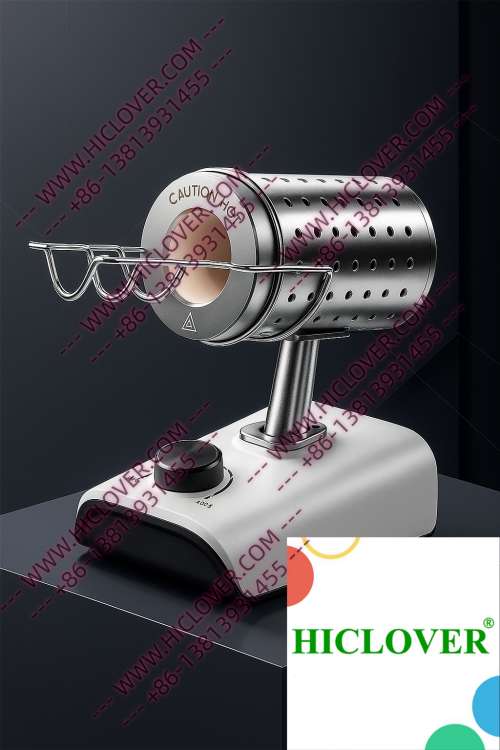
Micro Incinerators operate on the principle of rapid thermal sterilization using infrared heat. These units are designed with a ceramic heating chamber that allows for enclosed disinfection processes. By harnessing high temperatures through concentrated infrared radiation, the sterilizer effectively eradicates pathogens without introducing the risks associated with traditional flame-based methods.
- High Efficiency: The infrared heat ensures rapid sterilization of inoculating loops and other laboratory tools, making the workflow more efficient.
- Aerosol-Free Handling: Unlike flame sterilizers, Micro Incinerators minimize the risk of aerosol generation, promoting a cleaner working environment.
- Safe for Clean Rooms: The absence of open flames makes these devices ideal for clean-bench-safe operations.
Application Scenarios in Real Labs
1. BSL-2 Microbiology Labs
In BSL-2 laboratories, researchers often deal with moderate-risk pathogens. These labs necessitate stringent sterilization practices to protect personnel and maintain sample purity. The Micro Incinerator’s compact design and rapid sterilization capabilities enable swift processing of inoculating loops and pipette tips within biosafety cabinets. This integration not only streamlines workflow but also adheres to compliance requirements set by health organizations.
2. Mobile or Field Testing Labs
Field testing scenarios present unique challenges where conventional sterilization methods may be impractical. The portability of the Micro Incinerator allows field researchers to effectively sterilize their instruments on-site. For instance, in environmental or clinical diagnostics research, having a reliable sterilization method reduces the risk of cross-contamination while ensuring that samples collected in remote areas remain uncontaminated during analysis.
Compliance and Environmental Considerations
Adhering to global biosafety and sterilization standards is crucial for laboratories handling infectious agents. The World Health Organization (WHO) emphasizes the importance of proper sterilization in laboratory settings to prevent biological hazards. Micro Incinerators align with these standards by ensuring no open flames are present in clean rooms, thus mitigating safety risks associated with traditional flame sterilizers like Bunsen burners and alcohol lamps.
“Compliance with biosafety standards not only protects laboratory personnel but also enhances the credibility of research.” – WHO Guidelines
Advantages Over Traditional Flame Sterilizers
The monumental shift toward Micro Incinerators is driven by several advantages compared to traditional flame sterilizers:
| Feature | Micro Incinerator | Flame Sterilizers |
|---|---|---|
| Efficiency | Quick, consistent sterilization | Variable heating times |
| Aerosol Generation | Minimal risk | Higher risk of aerosols |
| Safety | No open flames | Pose fire hazards |
| Versatility | Suitable for various lab environments | Limited to specific setups |
FAQs
- What is a Micro Incinerator? A Micro Incinerator is a laboratory sterilization device that utilizes infrared heat for rapid and effective sterilization of instruments and tools.
- How does an Infrared Inoculating Loop Sterilizer work? It employs concentrated infrared radiation within a ceramic tube to achieve high temperatures quickly, ensuring effective disinfection.
- Can Micro Incinerators be used in clean rooms? Yes, their flameless operation makes them safe for use in clean environments, adhering to industry safety standards.
- How does the sterilization speed compare to flame sterilizers? Micro Incinerators sterilize instruments faster due to their efficient design and heat application, providing a significant workflow advantage.
- Are Micro Incinerators suitable for field use? Absolutely! Their portable nature makes them ideal for use in mobile labs and field testing scenarios.
Conclusion
The evolution of sterilization technology is pivotal in addressing the challenges of modern laboratory environments. The rise of Micro Incinerators, particularly in South Korea, indicates a growing adaptability to sophisticated sterilization workflows that prioritize safety and efficiency. For laboratories seeking to enhance their sterilization processes, the Micro Incinerator offers a reliable solution that aligns with global standards while ensuring the integrity of research. For more information on how you can integrate these advanced sterilization devices into your laboratory setup, please reach out to us today!
Categories:
Tags: