
In recent years, laboratories in the UAE have faced numerous biosafety challenges, particularly in sterilization workflows. The growing awareness of waste management has led to an increasing adoption of innovative technologies, notably micro incinerators. One such device, the Micro Incinerator or Infrared Inoculating Loop Sterilizer, is revolutionizing how laboratories manage contamination control and sterilization. This article delves into the functionality, applications, compliance with safety standards, and the advantages of switching from traditional flame-based sterilization methods to this modern solution.
Understanding the Micro Incinerator
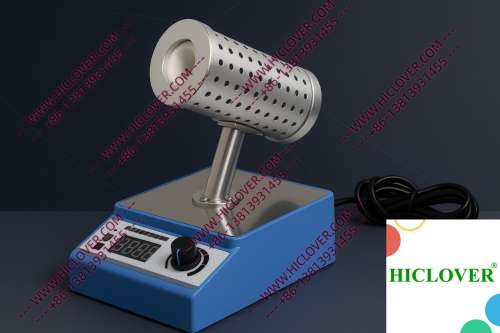
The Micro Incinerator operates on the principle of rapid thermal sterilization, utilizing enclosed ceramic heating chambers. Unlike conventional alcohol lamps or Bunsen burners, it employs infrared heat technology for high-temperature disinfection. This setup is designed to ensure quick sterilization cycles, making it an ideal choice for laboratories focusing on contamination control.
- Infrared Heat: Produces targeted heat without the risk of open flames.
- Enclosed Ceramics: Ensures high safety levels by preventing aerosol formation.
- Portability: Compact design facilitates usage in various laboratory settings.
- Energy-Efficient: Provides effective sterilization while consuming less power.
- WHO Biosafety Guidelines
- Laboratory Sterilization Best Practices
- No open flame in clean rooms
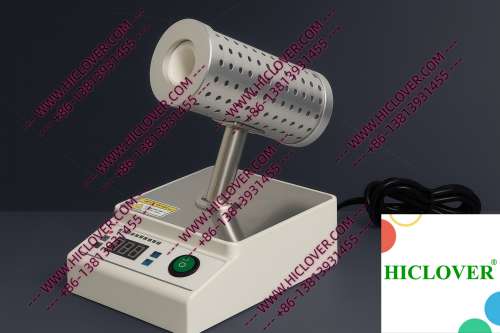
Applications of Micro Incinerators
Micro Incinerators have found diverse applications across different laboratory settings in the UAE, particularly in biosafety cabinets, clinical diagnostics, and educational environments. Let’s explore two key scenarios:
1. Biosafety Cabinet Sterilization
In BSL-2 and BSL-3 microbiology labs, where the risk of pathogen exposure is significant, micro incinerators offer a safe and effective alternative for sterile loop practice. Inside a biosafety cabinet, laboratory technicians can easily sterilize inoculating loops without introducing contaminants. This method is aerosol-free, maintaining the integrity of the clean environment and ensuring optimal biosafety levels.
2. Educational Laboratories
University teaching labs often struggle with outdated sterilization methods that can compromise safety and efficiency. Implementing micro incinerators allows students to learn proper sterile techniques without the hazards associated with flame-based alternatives. This change not only enhances educational outcomes but cultivates a culture of safety among future scientists.
Compliance and Environmental Standards
Compliance with international biosafety regulations, such as those set forth by the World Health Organization (WHO), is crucial for laboratory operations. Micro Incinerators align seamlessly with laboratory sterilization standards, offering a flame-free sterilization process that is conducive to maintaining clean environments, especially in clinical and research contexts.
This compliance not only mitigates risk but also underlines the commitment of UAE laboratories to adhere to global safety and environmental standards. The shift towards micro incinerators directly contributes to effective waste management strategies and reinforces the adoption of environmentally sound practices.
Comparison: Micro Incinerator vs. Flame-Based Sterilizers
| Feature | Micro Incinerator | Flame Sterilizer (Bunsen Burner / Alcohol Lamp) |
|---|---|---|
| Safety | No open flame, reducing fire hazard. | Open flame can lead to fires and burns. |
| Aerosol Generation | Aerosol-free operation. | Aerosol formation can contaminate sterile environments. |
| Energy Consumption | Low energy impact. | Higher energy requirements for continuous use. |
| Maintenance | Low maintenance required. | Regular cleaning and care needed. |
Frequently Asked Questions
What is the advantages of using Micro Incinerators over traditional sterilization methods?
The main advantages include enhanced safety from open flames, less contamination risk, and faster sterilization times due to the efficient infrared heating technology.
Are Micro Incinerators compliant with international biosafety standards?
Yes, Micro Incinerators comply with WHO biosafety guidelines and other relevant sterilization standards, making them suitable for BSL-2 and BSL-3 environments.
Can I use Micro Incinerators in field testing laboratories?
Absolutely! Their portability makes them an excellent choice for field testing labs, providing efficient sterilization capabilities without the need for an external power source.
How do I maintain a Micro Incinerator?
Maintenance is minimal and typically involves cleaning the ceramic heating chamber to prevent buildup. Regular checks for functionality should also be performed before use.
Can Micro Incinerators be used in teaching labs?
Yes, they are highly suitable for teaching labs, allowing students to learn proper sterilization techniques safely and effectively.
Conclusion
As the demand for effective waste management solutions continues to grow, the introduction of Micro Incinerators in UAE laboratories is both timely and necessary. Their ability to provide rapid thermal sterilization while adhering to stringent biosafety standards makes them a preferred choice over traditional flame-based sterilizers.
Contact us today to learn more about our range of Micro Incinerators and how they can transform your laboratory practices. Explore the opportunities that modern sterilization technology can provide for your workspace, fostering both safety and efficiency.
Categories:
Tags: