
As laboratory professionals and researchers in Kenya increasingly prioritize biosafety and efficient sterilization processes, traditional sterilization methods often fall short in meeting these evolving demands. Many laboratories face challenges related to contamination control and rapid thermal sterilization, especially when working in sensitive environments such as BSL-2 and BSL-3 microbiology labs. Enter the Micro Incinerator—a groundbreaking solution that not only addresses these issues but also aligns with sustainability goals.
The Technical Principles Behind Micro Incinerators
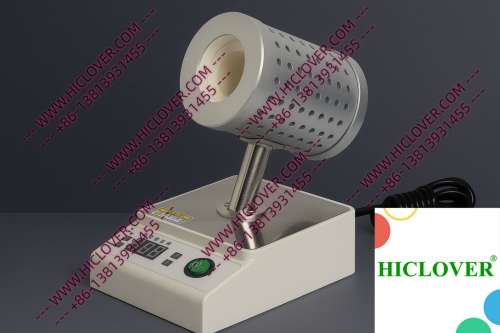
At the heart of the Micro Incinerator / Infrared Inoculating Loop Sterilizer lies an innovative design that utilizes infrared heat. This technology operates within an enclosed ceramic heating chamber, allowing for high-temperature disinfection. The infrared rays converge on the inoculating loop, ensuring rapid sterilization without the risk of contamination. Unlike traditional alcohol lamps or Bunsen burners, this device offers a safer, emissions-free environment, making it especially suitable for clean rooms and labs where flame use is prohibited.
Applications of Micro Incinerators in Laboratory Settings
1. Field Testing in Remote Areas
In the context of field testing, especially in rural parts of Kenya, the Micro Incinerator proves to be invaluable. Researchers can effectively sterilize their inoculating loops and other equipment even in remote areas, where resources may be limited. The compact design of the Micro Incinerator makes it highly portable, ensuring that field scientists maintain biosafety standards while conducting crucial experiments.
2. University Teaching Labs
In university teaching labs, where students frequently handle various microbial cultures, the Micro Incinerator enhances safety and workflow efficiency. It allows students to conduct experiments with minimal risk of cross-contamination while adhering to stringent sterilization protocols. The rapid thermal sterilization offered by this device ensures that teaching sessions can proceed uninterrupted, bolstering student learning outcomes.
Compliance with Biosafety Standards
Implementing micro incinerators aligns with international biosafety standards, including those set by the World Health Organization (WHO) for laboratory sterilization practices. These devices meet essential lab sterilization standards, particularly in environments requiring no flame, such as clean rooms. The aerosol-free handling capability also mitigates airborne contamination, promoting higher hygiene levels in clinical diagnostics and microbiological research.
“The transition to state-of-the-art sterilization equipment is not only about improving lab efficiency; it’s a commitment to ensuring the safety and efficacy of scientific research.”
Advantages of Micro Incinerators Over Traditional Flame Sterilizers
| Feature | Micro Incinerator | Flame Sterilizers |
|---|---|---|
| Safety | No open flame; minimizes fire hazards | Open flame; risk of burns and contamination |
| Efficiency | Rapid thermal sterilization within seconds | Longer cooling times after use |
| Portability | Compact, lightweight design | Typically bulky and harder to transport |
| Environmental Impact | No emissions; promotes sustainability | Produces carbon emissions from burning fuels |
FAQ Section
- What is a Micro Incinerator used for?
A Micro Incinerator is primarily used for rapid sterilization of inoculating loops and laboratory tools, enhancing biosafety and efficiency. - How does infrared technology improve sterilization?
Infrared technology allows for quick, concentrated heat delivery to sterilize tools within seconds, reducing the risk of contamination. - Are Micro Incinerators compliant with WHO standards?
Yes, they meet or exceed WHO biosafety and sterilization standards, making them safe for use in labs where flame sterilizers are not permitted. - Can I use a Micro Incinerator in a clean room?
Absolutely, the absence of flames and emissions makes it an ideal choice for clean room applications. - What are the benefits over traditional sterilizers?
The Micro Incinerator is safer, more efficient, portable, and environmentally friendly compared to traditional flame sterilizers.
Conclusion
As Kenya embraces modern laboratory practices and emphasizes sustainability, the adoption of Micro Incinerators represents a substantial advancement in sterilization technology. With their ability to enhance biosafety, increase workflow efficiency, and comply with international standards, these devices promise to revolutionize sterilization processes across various laboratory environments. For organizations seeking reliable and innovative laboratory sterilization equipment, considering the Micro Incinerator is a step towards modern, responsible science.
If you are interested in enhancing your laboratory’s sterilization capabilities or exploring how Micro Incinerators can fit into your workflow, feel free to reach out for further information or to make a purchase!
Categories:
Tags: