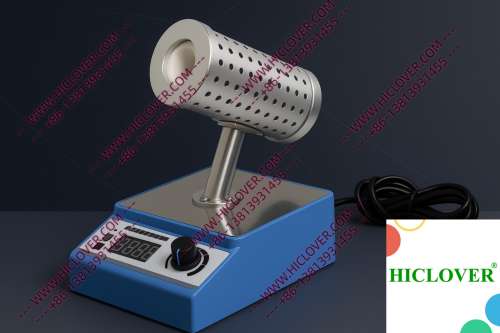
As laboratories in Cameroon and around the world strive to enhance biosafety protocols, ensuring adequate sterilization of equipment and waste materials becomes paramount. Traditional sterilization methods, including alcohol lamps and Bunsen burners, while reliable, present several challenges such as flame hazards, inefficient heat distribution, and the potential for cross-contamination. These challenges underline the urgent need for advanced solutions in laboratory sterilization workflows, particularly as research institutions and health facilities deal with intricate pathogen handling and contamination control.
The Technical Principles Behind Micro Incinerators
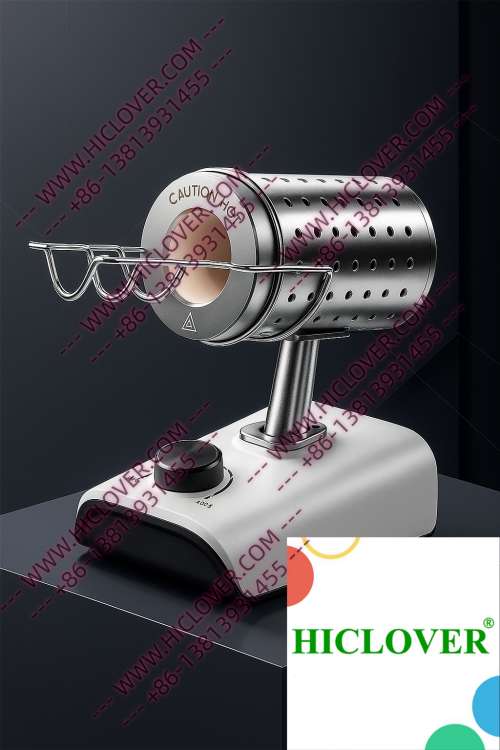
The Micro Incinerator, particularly the Infrared Inoculating Loop Sterilizer, stands out as a revolutionary tool in the field of sterilization. Utilizing rapid thermal sterilization through infrared heat, these devices effectively eliminate contaminants without the risks associated with open flames. The micro incinerator features a ceramic heating chamber that reaches high temperatures swiftly, making it ideal for immediate use in demanding lab environments.
- Infrared Heat: The device uses advanced infrared technology to achieve efficient and uniform heating.
- Enclosed Design: The enclosed ceramic tube ensures aerosol-free handling, crucial for maintaining biosafety standards.
- Compact & Portable: Designed for ease of transport, they can be deployed in various settings, from research centers to field tests.
Applications of Micro Incinerators in Laboratories
1. University Teaching Labs
In academic institutions, particularly university teaching labs, the Micro Incinerator is invaluable. Students engaged in microbiological studies require safe equipment for inoculation loop sterilization. Traditionally used Bunsen burners can pose fire hazards and require stringent safety measures. The Infrared Inoculating Loop Sterilizer, however, offers a clean-bench-safe alternative, allowing students to focus on their experiments without the fear of accidental burns or contamination.
2. Field Testing Laboratories
For field-testing labs, particularly those operating in rural areas of Cameroon, where access to electricity may be intermittent, portable micro incinerators provide a vital solution. Researchers working in remote locations can rely on these devices for sterilizing tools and samples in a biosecure manner. This ensures ongoing disease monitoring and specimen conservations without the logistical burden of carrying bulky equipment.
Compliance and Environmental Considerations
Adhering to international biosafety standards is critical for lab operations worldwide. According to the World Health Organization (WHO), maintaining strict lab sterilization protocols minimizes the risk of contamination, especially in high-stakes environments like BSL-2 or BSL-3 laboratories. The Micro Incinerator aligns with guidelines for:
- Reducing flame hazards in clean rooms
- Ensuring high-temperature disinfection standards
- Facilitating compliance with local and international lab sterilization standards
By incorporating these technologies into Cameroon’s waste management strategies, not only will laboratories enhance their biosafety measures, but they’ll also reduce the environmental impact associated with traditional flame sterilization methods, such as the emission of unmonitored particulates.
Advantages of Micro Incinerators Over Traditional Flame Sterilizers
| Feature | Micro Incinerator | Flame Burners |
|---|---|---|
| Ease of Use | Simple one-button operation | Requires flame management |
| Safety | No open flame | Risk of fire hazards |
| Speed of Sterilization | Instant heat | Longer to reach optimal temperature |
| Aerosol Control | Aerosol-free handling | Potential for contamination |
FAQs About Micro Incinerators
What makes micro incinerators more effective than traditional sterilizers?
The closed ceramic design and rapid infrared heating capabilities eliminate contaminants quickly while ensuring laboratory safety, which traditional flame systems cannot always guarantee.
Can micro incinerators be used in BSL-2 or BSL-3 laboratories?
Yes, micro incinerators comply with stringent biosafety requirements, making them suitable for high-containment laboratories.
How can I implement a micro incinerator into my sterilization workflow?
Implementation involves integrating the micro incinerator at strategic points in your sterilization protocol, especially where rapid sterilization is needed, such as before and after inoculating loops.
Is the Micro Incinerator environment-friendly?
Yes! Besides improved safety, the micro incinerator minimizes pollution associated with combustion and flame sterilization.
Where can I purchase a Micro Incinerator in Cameroon?
Local laboratory supply distributors and international suppliers often stock this equipment. Consult your local lab supplier for more details on acquiring a Micro Incinerator tailored to your needs.
Conclusion
As Cameroon seeks to modernize its waste management strategies, the adoption of portable Micro Incinerators represents a significant step forward in laboratory biosafety and environmental health. With their myriad benefits over traditional flame sterilizers, these devices not only enhance sterilization workflows but also pave the way for safer, more efficient laboratory practices. For further inquiries or purchasing, feel free to reach out, and let us assist you in elevating your laboratory’s safety and efficiency!
Categories:
Tags: