
In today’s cutting-edge laboratories, particularly those focused on microbiology and clinical diagnostics, maintaining sterile conditions is paramount. With ever-increasing biosafety challenges and stringent sterilization workflow demands, laboratories worldwide are seeking innovative solutions that not only enhance safety but also reduce environmental impact. Enter the Micro Incinerator or Infrared Inoculating Loop Sterilizer—an eco-friendly alternative that is revolutionizing sterilization practices.
The Technical Principles of Infrared Sterilization
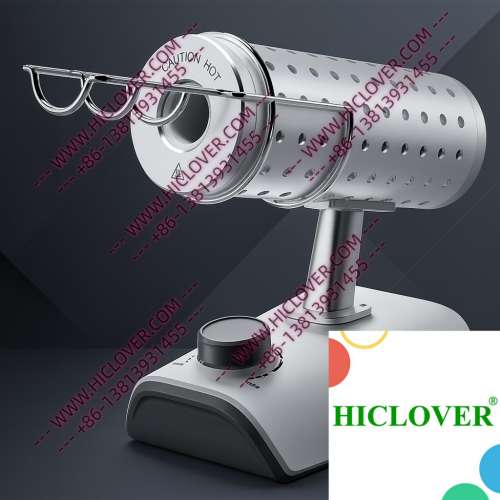
The Micro Incinerator operates on the principle of rapid thermal sterilization using infrared heat. This technology is housed within an enclosed ceramic heating chamber, ensuring efficient thermal transfer and rapid heating up to 900°C. Unlike traditional flame sterilizers such as alcohol lamps or Bunsen burners, the infrared sterilizer provides a flame-free means of achieving high-temperature disinfection, which is especially critical in clean-room environments.
- Enclosed System: Protects against aerosol generation and contamination.
- Rapid Heating: Achieves sterilization within seconds, improving workflow efficiency.
- Energy Efficiency: Less energy consumption than traditional flame methods.
- Low Maintenance: Minimal upkeep compared to more complex systems.
- WHO guidelines for laboratory biosafety
- No flame regulation for operations in clean rooms and sterile environments
- ISO standards for laboratory equipment safety and efficacy
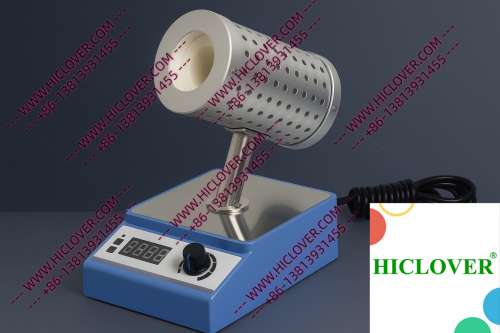
Application Scenarios in Real Laboratories
The Micro Incinerator has found relevant applications across various laboratory settings, exemplifying its versatility and efficiency.
1. Biosafety Cabinets
In BSL-2 and BSL-3 laboratories where pathogenic microbes are handled, the Micro Incinerator is a staple. Within a biosafety cabinet, researchers can easily sterilize inoculating loops, needles, and other tools without the risk of starting open flames. This is critical for maintaining a sterile environment, where even the slightest contamination can lead to compromised experiments and results. The heat produced is directed precisely towards sterilization tools, allowing for safe, efficient, and contamination-free handling.
2. Teaching Labs
In university teaching labs across regions, such as in San Francisco, California, where labs often cater to life sciences students, the Micro Incinerator serves dual functions. Students learn essential sterilization techniques while instructors appreciate the safety of a flame-free environment. Here, the advantages of no open flame reduce the risk of accidents, allowing for a focus on education without the constant worry about fire hazards.
Compliance and Environmental Considerations
Adhering to international biosafety standards, such as those set by the World Health Organization (WHO), is crucial for laboratories handling biological materials. The Micro Incinerator is designed to comply with stringent lab sterilization standards, including:
Moreover, the device’s eco-friendliness is underscored by its reduced carbon footprint compared to traditional flame sterilizers. As laboratories strive to enhance their green credentials, adopting this technology supports sustainability goals and lowers the environmental impact of waste processing.
Comparison of Micro Incinerator vs. Traditional Flame Burners
| Feature | Micro Incinerator | Traditional Flame Burners |
|---|---|---|
| Heating Method | Infrared | Flame (Bunsen/Air) |
| Risk of Contamination | Minimal | High |
| Energy Efficiency | High | Moderate |
| Maintenance | Low | High |
| Heat Output Control | Precise | Variable |
Frequently Asked Questions
What are the main benefits of using a Micro Incinerator for sterilization?
The Micro Incinerator offers quick sterilization, minimal contamination risk, and improved energy efficiency compared to traditional flame methods.
Can the Micro Incinerator be used in field testing labs?
Yes, its compact design and lack of open flame make it suitable for mobile and field testing laboratories, enhancing safety wherever it’s deployed.
How does the Micro Incinerator comply with biosafety standards?
This device meets WHO biosafety guidelines for laboratory operations, particularly in environments requiring high levels of contamination control.
Is the Micro Incinerator suitable for educational purposes?
Absolutely! Many universities use it in teaching labs to ensure safety while students learn important sterilization techniques without the risks associated with flame-based sterilization.
What makes infrared sterilization more efficient than flame sterilization?
Infrared sterilization offers faster heating times, precise control over heat application, and significantly reduces the risk of contamination from aerosols.
Conclusion
The transformation of laboratory sterilization with the introduction of the Micro Incinerator exemplifies how temperature control can meet eco-friendliness in waste processing. By prioritizing health and safety against the backdrop of environmental consciousness, laboratories can enhance their operational efficiency while adhering to strict biosafety standards. For further inquiries or to explore how this cutting-edge sterilization solution can be integrated into your laboratory, contact us today or explore our product variations to enhance your sterilization workflow.
Categories:
Tags: