
As laboratory practices evolve, biosafety and efficient sterilization techniques continue to pose significant challenges. Laboratories, particularly those operating under BSL-2 and BSL-3 guidelines, require rapid and effective thermal sterilization methods to ensure contamination control during research and testing. Traditional flame sterilizers, while common, are increasingly seen as inadequate due to their limitations in safety, consistency, and efficiency. Enter the micro incinerator, more specifically the infrared inoculating loop sterilizer, which addresses these challenges head-on.
Technical Principles of Infrared Heating
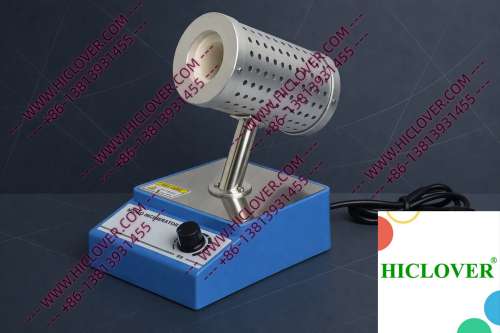
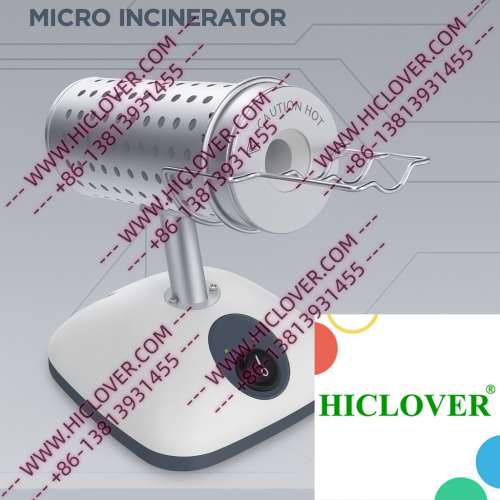
The micro incinerator utilizes rapid thermal sterilization through controlled infrared heat generation. Unlike alcohol lamps or Bunsen burners, this device operates in a compact, enclosed ceramic tube that concentrates the heat. This design prevents airborne pathogens from contamination while ensuring optimal heating. The infrared high-temperature disinfection not only enhances safety by eliminating open flames but also provides a reliable and consistent sterilization process, making it ideal for sensitive environments, including clean rooms and biosafety cabinets.
Advantages Over Traditional Flame Sterilizers
- Safety: No open flame reduces fire risk, making it suitable for use in confined spaces.
- Consistency: Infrared technology ensures uniform heat distribution, leading to reliable sterilization results.
- Environmental Friendliness: Reduced risk of harmful emissions compared to traditional combustion methods.
- Efficiency: Quicker turnaround times for sterilization cycles, essential for busy laboratories.
Application Scenarios in Laboratories
Field Testing Laboratories
In mobile field testing labs, where space and access to utilities are often limited, the micro incinerator acts as a powerful ally. Its lightweight design allows researchers to carry it easily, providing a safe means to sterilize inoculating loops and other tools on-site, even in outdoor environments. This capability is crucial in preventing cross-contamination during environmental sampling, which can impact the results significantly.
University Teaching Laboratories
Teaching laboratories face unique challenges when it comes to teaching proper sterilization techniques while ensuring student safety. The micro incinerator can serve both as an educational tool and a practical device. Students learn the importance of sterilization in microbiology, utilizing the infrared inoculating loop sterilizer under instructor supervision for hands-on experience. This not only reinforces safety protocols but also prepares them for real-world laboratory environments.
Compliance and Environmental Considerations
Today’s laboratory standards, driven by guidelines from organizations such as the WHO, emphasize strict biosafety compliance for laboratory environments. The efficient sterilization provided by the micro incinerator aligns well with these standards, especially in terms of maintaining a clean-bench-safe atmosphere. Utilizing devices that operate without flames in clean environments helps laboratories not only comply with strict sterilization protocols but also minimizes the risks associated with open flames, such as fire hazards and aerosol generation.
Regional Impact and Usage
In urban areas like New York City and London, where laboratory waste regulations are strict, the implementation of temperature-controlled micro incinerators has become essential. Facilities must maintain effective waste management protocols that cater to increasing environmental regulations and address the challenges posed by urbanization. Micro incinerators not only assist in laboratory sterilization but also contribute to urban waste disposal solutions, particularly in research institutions and healthcare facilities.
Frequently Asked Questions
What are the key benefits of using a micro incinerator compared to traditional sterilization methods?
The micro incinerator offers improved safety, consistent sterilization performance, and environmental benefits, eliminating the risks associated with open flames while providing quick, reliable heating.
Can the micro incinerator be used in BSL-3 laboratories?
Yes, the micro incinerator is ideal for BSL-3 labs, where contamination control is critical. Its enclosed design and efficient sterilization capabilities make it a suitable choice.
How does the infrared technology work in the sterilization process?
The infrared technology rapidly heats the ceramic tube within the incinerator, allowing for high-temperature disinfection without open flames. This ensures that all surfaces are effectively sterilized.
Is the micro incinerator compliant with WHO biosafety guidelines?
Absolutely. The micro incinerator meets various biosafety compliance standards, aiding laboratories in adhering to WHO guidelines for sterilization and contamination control.
What makes the micro incinerator better for teaching labs?
Its safety, ease of use, and efficiency make it an excellent educational tool, allowing students to learn proper sterilization protocols without the risks involved with traditional flame sterilizers.
Conclusion
In today’s fast-paced laboratory environments, the shift to temperature-controlled micro incinerators, particularly infrared inoculating loop sterilizers, represents a significant advancement in laboratory sterilization equipment. By ensuring safety, efficiency, and compliance with biosafety standards, these devices indeed revolutionize how laboratories manage sterilization. For those looking to enhance their sterilization workflow and safety measures, contacting your laboratory supply distributor for an infrared inoculating loop sterilizer could be the next step towards a more efficient, safe laboratory environment.
Categories:
Tags: