
In today’s rapidly evolving laboratory environments, the need for effective sterilization solutions is paramount. As research, diagnostics, and laboratory innovations progress, so too do the biosafety challenges inherent in these settings. Laboratories, particularly those operating within the Biomedical Safety Levels (BSL-2 and BSL-3) domains, must adhere to stringent sterilization procedures to manage contamination and ensure the safe handling of pathogens. In this article, we will explore the benefits of employing touchless loop incineration methods, focusing specifically on the Micro Incinerator or Infrared Inoculating Loop Sterilizer—an advanced piece of equipment that addresses both operational demands and compliance requirements.
Technical Principle of Infrared Inoculating Loop Sterilizers
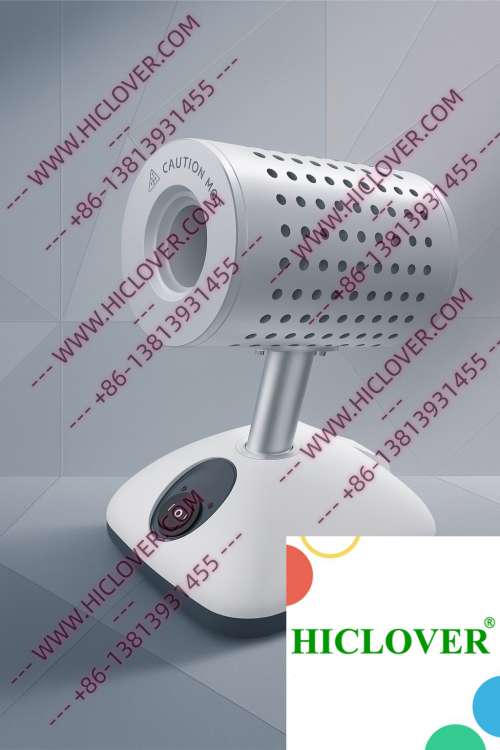
The Micro Incinerator offers a revolutionary approach to sterilization through its use of infrared heat technology. Unlike traditional flame sterilizers, such as alcohol lamps and Bunsen burners, this device eliminates the open flame, significantly reducing the risk of ignition and making it an ideal fit for cleanroom environments. The enclosed ceramic tube of the Micro Incinerator heats rapidly, achieving high temperatures that facilitate rapid thermal sterilization. This efficient design not only ensures that inoculating loops, needles, and other tools are sterilized effectively but also promotes aerosol-free handling, minimizing the potential for airborne contamination.
Advantages Over Traditional Flame Sterilizers
- Efficiency: The rapid heating capabilities of the Micro Incinerator result in shorter sterilization times compared to flame-based methods.
- Safety: The absence of an open flame significantly mitigates risks associated with fire hazards, especially in saturated environments or near flammable materials.
- Contamination Control: The closed design prevents accidental exposure to microorganisms, ensuring a safe working environment.
- Sustainability: Infrared technology consumes less energy than traditional flame-based sterilizers, contributing to lower operational costs and reduced environmental impact.
- What is the main advantage of a Micro Incinerator over a Bunsen burner?
The main advantage is enhanced safety; the Micro Incinerator does not involve an open flame, reducing fire risks and contamination potential. - Can the Micro Incinerator be used in a biosafety cabinet?
Yes, it was designed to integrate seamlessly into biosafety cabinets while ensuring effective sterilization and safety protocols are upheld. - Is the Micro Incinerator energy efficient?
Absolutely, it consumes significantly less energy than traditional flame sterilizers, making it a more sustainable choice. - What types of labs benefit most from using Micro Incinerators?
BSL-2 and BSL-3 labs, clinical diagnostics, university teaching labs, and mobile testing labs would all greatly benefit from its use. - How does the Micro Incinerator comply with WHO biosafety guidelines?
The Micro Incinerator adheres to guidelines by facilitating effective sterilization without an open flame, thus ensuring a higher level of safety and compliance in laboratory settings.
Application Scenarios in Real Labs
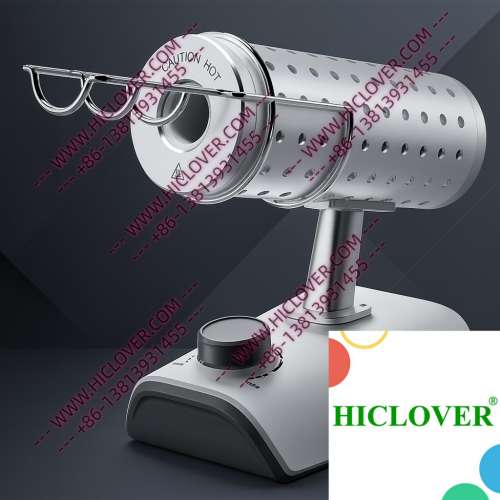
Whether in clinical diagnostics laboratories or university teaching labs, the Micro Incinerator can be adapted to a variety of tasks. Here are two primary application scenarios:
Biosafety Cabinet Usage
In BSL-2 or BSL-3 labs, a biosafety cabinet is a vital piece of equipment for safeguarding personnel while manipulating pathogens. By integrating a Micro Incinerator within this controlled environment, researchers can seamlessly sterilize inoculating loops and needles without compromising safety. The device’s rapid sterilization reduces time spent on these tasks, allowing researchers to focus on critical experimental processes.
Field Testing Applications
In mobile or field-testing labs, sterilization must be done quickly and safely, with reliability being a key factor. The portability of the Micro Incinerator complements the demands of field usage, providing immediate sterilization without the complexities associated with open flames. Researchers working in diverse environments can confidently manage microbial contamination while maintaining adherence to strict biosafety standards.
Compliance with Lab Standards
Compliance with international biosafety regulations is non-negotiable in laboratories handling biohazardous materials. The World Health Organization (WHO) provides comprehensive guidelines on biosafety practices, which mandate effective sterilization methods to prevent laboratory-acquired infections. Utilizing a Micro Incinerator promotes compliance with these standards, particularly in settings that require no flame in clean rooms. Furthermore, adherence to laboratory sterilization standards ensures that operational procedures are not only efficient but also safe and sustainable.
Regional Considerations
In regions such as Europe and North America, the expectation for high-level biosafety measures is reflected in regulatory agencies like the Centers for Disease Control and Prevention (CDC) and the European Centre for Disease Prevention and Control (ECDC). Laboratories must implement the highest safety standards with equipment like the Micro Incinerator to meet these regulatory requirements while delivering high-quality results.
Frequently Asked Questions
Conclusion
In summary, the Micro Incinerator / Infrared Inoculating Loop Sterilizer represents a transformative approach to laboratory sterilization. Its benefits in efficiency, safety, and sustainability make it an invaluable tool for modern laboratories facing stringent biosafety challenges. By replacing traditional flame sterilizers with this innovative technology, laboratories can improve their workflow, reduce contamination risk, and enhance overall safety protocols. If you’re keen to upgrade your lab’s sterilization equipment, consider exploring our range of Micro Incinerators. Reach out today to learn more about how we can meet your laboratory supply needs.
Categories:
Tags: