
Laboratory biosafety is an escalating concern in modern research, particularly as the demand for rapid and effective sterilization procedures increases. Microbiology labs face unique challenges in maintaining sterile environments while adhering to stringent safety protocols. A pivotal instrument in achieving this is the Micro Incinerator, or Infrared Inoculating Loop Sterilizer, which optimizes sterilization workflows without the hazards associated with traditional flame sterilizers.
Functional Principles of Infrared Inoculating Loop Sterilizers
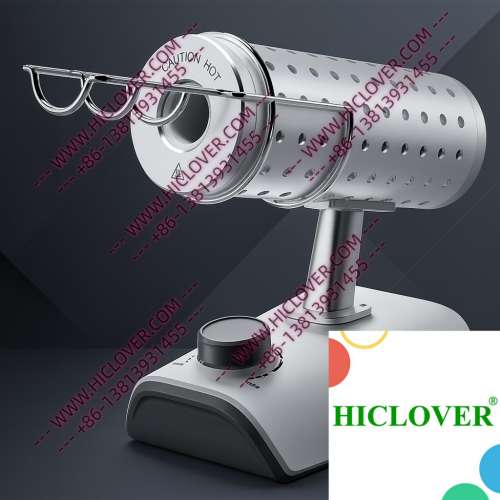
The core principle behind the Micro Incinerator is rapid thermal sterilization, achieved through the utilization of infrared heat. This technology employs an enclosed ceramic tube that generates high temperatures quickly, making it an efficient alternative to conventional flame-based methods.
Unlike alcohol lamps or Bunsen burners, which can introduce aerosols and contaminants into the cleanroom environment, the infrared sterilizer maintains integrity within biosafety cabinets. The high-temperature disinfection offered by the Micro Incinerator ensures a thorough eradication of microbial life, including bacteria and viruses, within seconds, thereby facilitating reliable contamination control in vital laboratory applications.
Comparative Advantages Over Traditional Flame Sterilizers
| Feature | Micro Incinerator | Flame Sterilizer |
|---|---|---|
| Method of Sterilization | Infrared heat | Open flame |
| Temperature Control | Precise, adjustable | Variable, less control |
| Risk of Contamination | Low, clean-bench-safe | Higher, aerosols may form |
| Field Portability | Designed for mobility | Less portable |
| Compliance with Cleanroom Standards | Yes | No |
Application Scenarios in Real Labs
Biosafety Cabinet Applications
In BSL-2 and BSL-3 microbiology labs, where pathogens may pose significant risks, the Micro Incinerator serves as a crucial element in the biosafety arsenal. When conducting procedures involving infectious materials, the ability to sterilize inoculating loops directly in the biosafety cabinet minimizes the risk of contamination. This setup creates a secure environment, ensuring that researchers can manipulate samples confidently without compromising their safety or that of their colleagues.
Mobile and Field Testing Labs
Field testing laboratories often encounter unique challenges, from limited space to the necessity of equipment that can withstand various environmental conditions. The Micro Incinerator, with its compact design and infrared technology, is perfect for mobile labs deployed in health campaigns, whether in remote areas or post-disaster zones. Its lightweight configuration and rapid heat-up time allow for efficient sterilization of bacterial samples, paving the way for effective clinical diagnostics.
Compliance and Environmental Considerations
In compliance with WHO biosafety standards, sterilization is not just a matter of best practice; it is a regulatory requirement. The use of flame sterilizers is often restricted in clean rooms to prevent particulate matter from contaminating sensitive experiments. By employing infrared inoculating loop sterilizers, labs can ensure compliance with stringent sterilization standards, making them a favorable option for university teaching labs and high-content research environments.
- Enhances safety when handling pathogenic samples.
- Reduces the risk of fire hazards associated with flame sterilizers.
- Facilitates adherence to lab sterilization protocols.
- Supports clean-room environments by eliminating flame-related gaseous products.
- Minimizes operatives’ exposure to harmful aerosols.
FAQs
What is the difference between infrared inoculating loop sterilizers and traditional flame sterilizers?
The main difference lies in the method of sterilization. Infrared sterilizers utilize high-temperature infrared heat to achieve rapid sterilization, while traditional flame sterilizers rely on an open flame which can introduce contaminants and aerosols into the environment.
Can Micro Incinerators be used in all laboratory settings?
Yes, Micro Incinerators are versatile and can be utilized effectively in various settings, including BSL-2 labs, teaching labs, and field testing environments, making them suitable for a range of applications.
Are Micro Incinerators compliant with biosafety regulations?
Yes, they comply with WHO biosafety standards and are designed to be used in cleanroom environments, adhering to rigorous sterilization protocols without the use of open flames.
What additional sterilization techniques could complement the use of a Micro Incinerator?
To enhance sterilization efficacy, techniques such as autoclaving and chemical sterilization can be employed alongside infrared sterilizers, especially for items that cannot withstand high heat.
How does the Micro Incinerator improve laboratory workflow efficiency?
By significantly reducing sterilization times and minimizing risks associated with contaminated samples, the Micro Incinerator streamlines laboratory procedures, allowing researchers to focus on critical tasks without interruption.
Conclusion
The Micro Incinerator / Infrared Inoculating Loop Sterilizer has emerged as a vital piece of equipment in microbiology labs, enhancing laboratory workflows, improving biosafety, and ensuring compliance with regulatory standards. Its numerous advantages over traditional flame sterilizers not only lead to better safety practices but also help laboratories operate more efficiently. To explore how the Micro Incinerator can benefit your laboratory, contact us today or request a demo for hands-on experience with this exceptional sterilization solution.