
Laboratories worldwide face immense challenges concerning biosafety, maintaining an uncontaminated environment while ensuring effective sterilization methods. Traditional flame sterilizers like Bunsen burners and alcohol lamps have long been staples for laboratory sterilization. However, as contamination control and safety demands intensify, the need for advanced solutions like Micro Incinerators and Infrared Inoculating Loop Sterilizers becomes paramount. This article delves into the advantages of micro incinerator technologies, illustrating their necessity in contemporary laboratories.
Technical Principles of Micro Incinerators
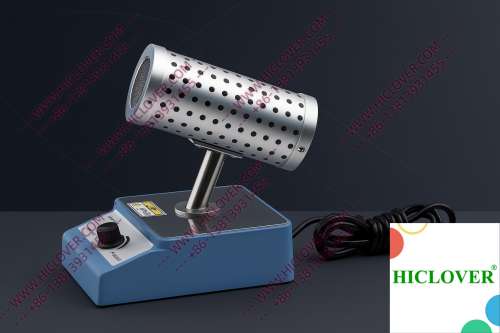
The core of a micro incinerator’s functionality lies in its rapid thermal sterilization capabilities. Unlike flame-based systems that pose inherent risks of aerosol production and potential flammable environments, micro incinerators utilize an enclosed ceramic heating chamber to generate high temperatures. The infrared heating element achieves rapid heating, allowing for efficient sterilization without producing harmful byproducts.
When a microbial loop or other instruments are inserted into the ceramic heating chamber, they experience direct exposure to infrared heat, resulting in high-temperature disinfection that effectively eliminates pathogens within seconds. This technology is particularly beneficial in environments where strict contamination control is paramount, such as BSL-2 and BSL-3 microbiology labs.
Application Scenarios in Real Labs
1. Biosafety Cabinet Integration
In modern laboratory setups, biosafety cabinets are essential for protecting both the user and the samples being handled. The compact design of micro incinerators allows for easy integration within these cabinets. By eliminating the need for open flames, researchers can ensure a clean-bench-safe environment, reducing the risk of accidental combustion or aerosol generation.
2. Mobile or Field Testing Labs
Field testing labs often require robust, portable solutions for on-the-go sterilization. Micro incinerators are lightweight and easy to transport, making them an ideal choice for mobile labs engaged in environmental monitoring or clinical diagnostics. Their ability to sterilize instruments rapidly could mean the difference between accurate results and compromised samples in time-sensitive situations.
Compliance and Environmental Considerations
With the rise of stringent biosafety regulations from organizations like the World Health Organization (WHO), compliance concerning lab sterilization standards has become non-negotiable. Many facilities now mandate sterilization equipment that produces no flames, particularly in cleanroom environments where volatile substances and ignition risks must be managed meticulously.
- Reduction of aerosol contamination
- High efficacy against a broad spectrum of pathogens
- Compliance with WHO and national biosafety standards
The use of micro incinerators supports these compliance objectives while fostering safeguards in settings that previously utilized flame burners. The switch from traditional sterilization methods to advanced micro incinerators can be pivotal for research institutions, clinical diagnostics facilities, and teaching laboratories.
Comparative Analysis: Micro Incinerators vs. Flame Burners
| Feature | Micro Incinerators | Flame Burners |
|---|---|---|
| Safety | Infrared heat eliminates aerosol risks | Open flames produce aerosols and fire hazards |
| Speed | Rapid thermal sterilization in seconds | Longer heating times, less efficient |
| Portability | Compact and easy to transport | Often bulky and requires fuel |
| Compliance | Meets modern biosafety standards | Often fails to meet cleanroom standards |
Frequently Asked Questions
What is the main advantage of using a micro incinerator over a traditional flame sterilizer?
The primary advantage lies in enhanced safety and effectiveness; micro incinerators provide high-temperature sterilization without producing harmful aerosols or posing fire risks associated with open flames.
How does the infrared heating technology work in a micro incinerator?
The infrared heating technology employs radiant heat generated in an enclosed ceramic chamber to achieve rapid thermal sterilization of instruments, ensuring efficient disinfection.
Are micro incinerators compliant with WHO biosafety standards?
Yes, micro incinerators comply with WHO and other national biosafety standards, making them suitable for use across a variety of laboratory settings.
Can micro incinerators be used in field testing labs?
Absolutely! Their compact and portable design makes them ideal for sterilization in mobile or field testing laboratories, where instant results are crucial.
What types of instruments can be sterilized using a micro incinerator?
Micro incinerators can effectively sterilize inoculating loops, tweezers, and other laboratory instruments that require quick and efficient sanitization between uses.
Conclusion: A Step Towards Enhanced Laboratory Safety
In conclusion, as laboratories navigate the evolving landscape of biosafety and contamination control, micro incinerator technologies stand out as a superior alternative to traditional flame sterilizers. With their enhanced safety features, rapid sterilization capabilities, and compliance with stringent standards, they address modern sterilization workflow demands effectively.
For laboratories seeking to optimize their sterilization processes and ensure compliance with industry standards, exploring micro incinerator solutions is a wise investment. Contact us to learn more about how you can enhance your sterilization capabilities with micro incinerators.
Categories:
Tags: