
In today’s rapidly evolving laboratory environment, the need for effective biosafety solutions is more pressing than ever. With bacteria, viruses, and other pathogens posing significant risks, laboratories must implement stringent sterilization workflows to ensure safety and compliance. Traditional flame-based sterilization methods, such as alcohol lamps and Bunsen burners, while prevalent, face scrutiny for their potential to create aerosols and introduce risk in sensitive environments. Enter the Micro Incinerator, or Infrared Inoculating Loop Sterilizer—a groundbreaking piece of laboratory sterilization equipment that promises not just efficiency, but also enhanced safety.
Understanding the Technical Principles of Infrared Technology
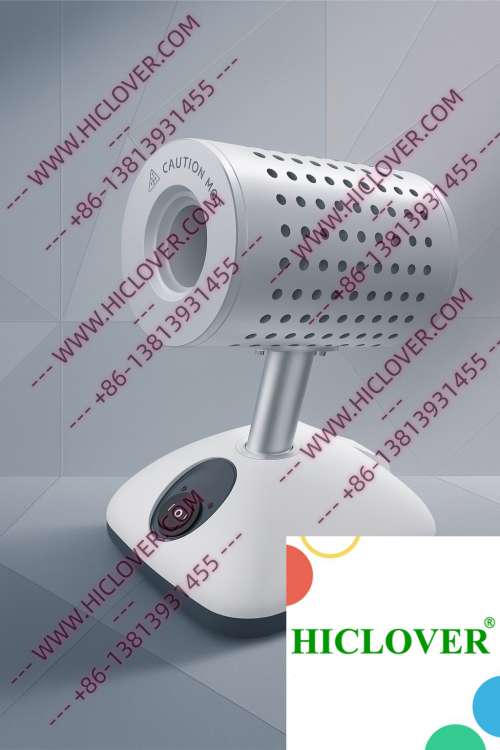
The Micro Incinerator operates on the principle of rapid thermal sterilization, utilizing infrared heat generated within a closed ceramic tube. This advanced design permits precise temperature control, emitting a consistent high-temperature output that ensures complete disinfection of inoculating loops, needles, and other instruments. Unlike traditional flame sterilizers that can take time to achieve the necessary temperatures, infrared high-temperature disinfection can be achieved almost instantly, significantly expediting laboratory workflows.
A key advantage of this enclosed ceramic chamber is its ability to contain heat efficiently, minimizing the risk of overheating surrounding areas. Furthermore, the absence of open flames not only enhances safety in clean environments but also minimizes contamination risks, important for BSL-2 and BSL-3 microbiology labs where safety protocols are strict.
Application Scenarios in Real Laboratories
- Biosafety Cabinets: Within a biosafety cabinet, the Micro Incinerator plays a crucial role in maintaining sterile conditions. Labs conducting pathogen research rely on effective sterilization techniques, and the infrared sterilizer provides a clean, aerosol-free method for preparing tools without compromising the lab’s sterile environment.
- Teaching Laboratories: Educational institutions benefit significantly from the Micro Incinerator as well. In university teaching labs, safety is paramount, and students are often taught to prepare cultures under strict biosafety standards. The use of infrared sterilizers ensures a safer and more reliable method for sterilizing inoculating loops.
- What are the key advantages of using a Micro Incinerator in a lab setting?
The Micro Incinerator offers enhanced safety, rapid sterilization capabilities, and compliance with strict laboratory standards, making it ideal for high-risk environments. - How does infrared heating compare to traditional flame sterilization?
Infrared heating provides rapid sterilization without the risks associated with open flames, including aerosol generation and contamination concerns. - Can Micro Incinerators be used in BSL-2 laboratories?
Yes, the Micro Incinerator meets the necessary biosafety protocols and is particularly beneficial in BSL-2 and BSL-3 lab settings. - What types of labs can benefit from the use of infrared inoculating loop sterilizers?
University teaching labs, clinical diagnostic labs, and any facility involved in microbiological research can significantly benefit from this technology. - Is the Micro Incinerator energy efficient?
Yes, its compact design allows for efficient energy use compared to traditional flame-based sterilizers.
Compliance and Environmental Considerations
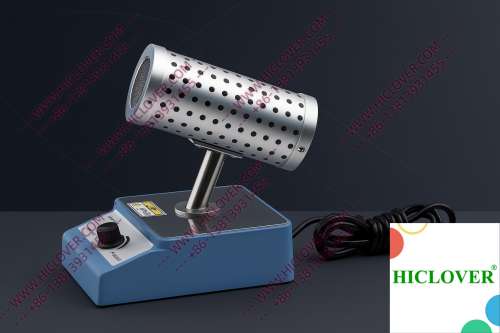
Adhering to WHO biosafety standards and laboratory sterilization regulations is fundamental. Many laboratories, particularly those operating in sensitive environments like hospitals, are increasingly mandated to eliminate open flames. The Micro Incinerator aligns with these regulations, providing a compliant solution that maximizes safety without sacrificing efficiency.
Moreover, compared to traditional flame sterilizers, the Micro Incinerator is a more environmentally friendly option. Its compact and effective design reduces energy consumption while protecting the sterile environment from contamination caused by flames and aerosols.
“The transition from flame sterilizers to infrared technologies is not just a trend; it’s a necessary evolution in laboratory safety and efficiency.”
Comparative Advantages of Micro Incinerator Over Traditional Flame Sterilizers
| Feature | Micro Incinerator | Flame Sterilizers |
|---|---|---|
| Heat Source | Infrared (ceramic heating) | Open flame (Bunsen burner, alcohol lamp) |
| Safety | Aerosol-free handling, clean-bench-safe | Aerosol generation, fire hazards |
| Efficiency | Rapid thermal sterilization | Slower heat-up times |
| Environmental Impact | Energy-efficient | Higher energy consumption |
FAQs
Conclusion
As laboratories around the world continue to embrace methodologies that prioritize safety and compliance, the Micro Incinerator emerges as a superior alternative to traditional flame sterilizers. Its advanced sterilization capabilities and inherent safety features make it an indispensable asset in BSL-2, clinical diagnostics, and academic settings alike. If you’re ready to elevate your laboratory sterilization processes, reach out today to learn more about incorporating the Micro Incinerator into your essential equipment lineup.
Categories:
Tags: