
The demand for stringent biosafety standards in laboratories continues to rise, shaped by advancements in technology and an ever-growing focus on contamination control. As laboratory settings evolve, traditional sterilization methods, such as alcohol lamps and Bunsen burners, fall short in terms of reliability, safety, and efficiency. This creates a pressing need for innovative solutions such as the Micro Incinerator or Infrared Inoculating Loop Sterilizer, tools that not only meet compliance requirements but also revolutionize laboratory workflows.
Understanding the Mechanics: How Infrared Heat Works
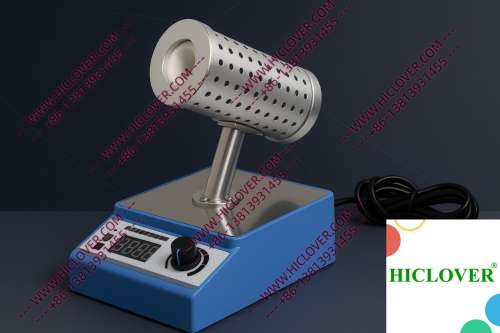
At the heart of the Micro Incinerator lies a sophisticated ceramic heating chamber. Utilizing infrared heat, this technology provides rapid thermal sterilization. The enclosed design allows for targeted high-temperature disinfection, ensuring that tools such as inoculating loops are effectively sterilized without the risks associated with open flames. Unlike traditional methods, which rely on direct heat application, the Micro Incinerator’s infrared mechanism minimizes contamination risk and enhances user safety, particularly in cleanroom environments.
Advantages over Traditional Flame Sterilizers
- Consistency: Delivers uniform heat distribution, reducing the chances of inadequate sterilization.
- Enhanced Safety: No open flames reduce the risk of fire, making it safe for use in biosafety cabinets and clean rooms.
- Time Efficiency: Offering rapid sterilization capabilities that can streamline workflows.
- Lower Contamination Risk: The enclosed design prevents aerosol generation and cross-contamination.
Application Scenarios in Real Labs
Biosafety Cabinets
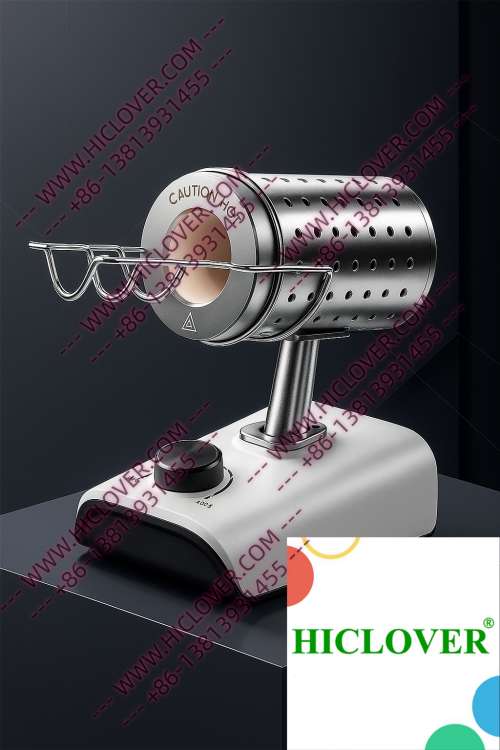
In BSL-2 and BSL-3 microbiology labs, maintaining a sterile environment is crucial. The Micro Incinerator provides an essential tool within biosafety cabinets, where user safety and environment integrity are top priorities. Using a Micro Incinerator allows researchers to sterilize their tools with precision, minimizing the risk of airborne contamination. Additionally, its compact size ensures it fits seamlessly within the confines of a cabinet, enhancing workflow without compromising safety.
Field Testing and Mobile Labs
When conducting field tests, such as environmental sampling or rapid clinical diagnostics, traditional sterilization methods can be cumbersome or impractical. The portability and battery-powered options of the Micro Incinerator offer significant advantages in these scenarios. Field researchers can effectively and safely sterilize equipment in remote areas, ensuring the reliability of their data while adhering to biosafety standards.
Compliance and Environmental Considerations
As laboratories grapple with increasing regulatory scrutiny, adhering to compliance guidelines is paramount. The World Health Organization (WHO) outlines biosafety protocols which mandate specific sterilization standards, particularly in clinical and research settings. The Micro Incinerator complies with these regulations, offering a flame-free alternative suitable for clean environments. Its design eliminates aerosols, making it compliant with BSL-2 and BSL-3 requirements, thus safeguarding both personnel and the environment.
Moreover, minimizing the use of flame-based sterilization methods aligns with environmental sustainability goals by reducing energy consumption and risk factors associated with volatile substances.
Frequently Asked Questions
1. What makes the Micro Incinerator more reliable than traditional sterilizers?
The Micro Incinerator utilizes infrared heat, providing rapid and uniform sterilization without the risks of open flames, enhancing both safety and consistency.
2. Can this sterilizer be used in a clean room setting?
Yes, the Micro Incinerator is designed for use in clean environments, ensuring compliance with biosafety standards without generating aerosols.
3. How long does it take to sterilize an inoculating loop?
Typically, sterilization is achieved within seconds, significantly faster than traditional alcohol lamps or Bunsen burners.
4. Is it suitable for outdoor use or field labs?
Absolutely, its portable design makes it ideal for field testing, where mobility and efficiency are essential.
5. What type of maintenance is required for the Micro Incinerator?
Minimal maintenance is needed; however, regular cleaning of the ceramic tube is recommended to maintain optimal performance.
Conclusion
The Micro Incinerator or Infrared Inoculating Loop Sterilizer represents a significant advancement in laboratory sterilization technology. It addresses the practical challenges labs face regarding biosafety, efficiency, and compliance with health regulations. By investing in this state-of-the-art equipment, laboratory managers and researchers can ensure they meet both present and future sterilization needs while enhancing overall workflow. For inquiries or to place an order for top-quality sterilization solutions, contact us today!
Categories:
Tags: