
As laboratories across Germany face increasing demands for effective sterilization solutions, the practical challenges of biosafety and contamination control have become paramount. Laboratory professionals require innovative sterilization workflows that enhance safety and efficiency. One such solution is the Micro Incinerator / Infrared Inoculating Loop Sterilizer, which offers significant advantages over traditional flame sterilizers like alcohol lamps and Bunsen burners. This article explores the economic impact of these advanced sterilizers on Germany’s healthcare system and laboratory environments.
Laboratory Biosafety Challenges
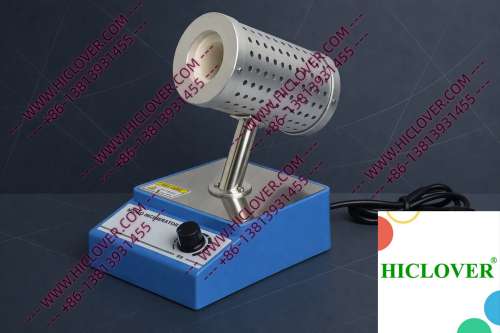
In today’s laboratory settings, the importance of biosafety cannot be overstated. Laboratories, especially BSL-2 and BSL-3 microbiology facilities, face stringent regulations to ensure safe handling of pathogens. Conventional methods, such as flame sterilization, carry risks of contamination, especially in clean environments like biosafety cabinets.
The Micro Incinerator is designed to address these challenges with its rapid thermal sterilization capabilities. By using an enclosed ceramic heating chamber, it achieves high temperatures that effectively eliminate microorganisms without the hazards associated with open flames. This feature is particularly beneficial in maintaining the cleanliness of workspace environments, as it minimizes aerosol production and enhances safety protocols.
Technical Principle of Infrared Inoculating Loop Sterilizers
The Micro Incinerator utilizes a unique infrared heating principle that allows for targeted thermal disinfection. The enclosed ceramic tube heats up rapidly when powered on, providing an efficient and effective means of sterilizing inoculating loops, needles, and other small instruments. This design is not only energy-efficient but also significantly reduces the time taken for sterilization compared to traditional methods.
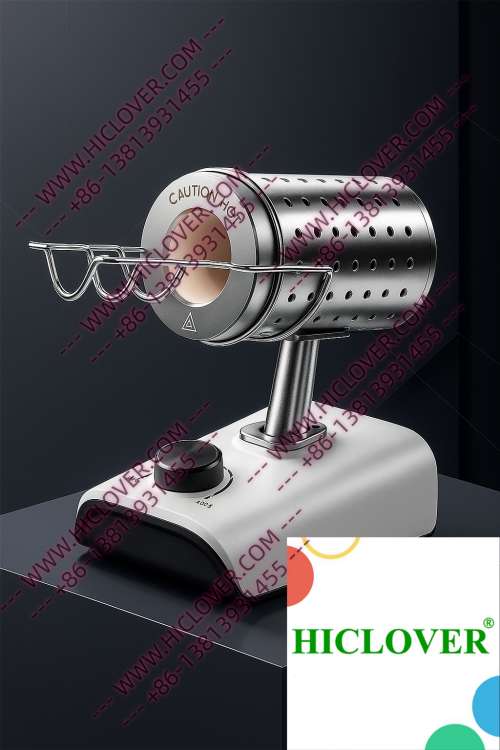
With temperatures often exceeding 800°C, the device ensures complete decontamination, which is vital in sensitive laboratory applications. Additionally, the control over heating eliminates the risk of overheating samples or causing flare-ups, enabling more precise and controlled sterilization.
Applications in Real Laboratory Scenarios
“Micro Incinerators are revolutionizing sterilization workflows in various settings, from academic laboratories to field testing operations.”
1. Biosafety Cabinets
In university teaching labs, the need for a clean, safe environment is critical. The Micro Incinerator can be integrated into biosafety cabinets, making it a preferred choice for sterilizing inoculating loops during microbial research and teaching exercises. Instructors can demonstrate best practices in contamination control without compromising safety.
2. Field Testing Laboratories
For mobile or field testing labs, sterilization equipment must be portable yet efficient. The lightweight nature and compact design of the Micro Incinerator make it an excellent choice for fieldwork where sterilization remains vital for sample integrity. Researchers conducting environmental screening can use this tool to maintain a contamination-free environment in diverse settings.
Compliance and Environmental Considerations
Germany’s healthcare system adheres to strict WHO biosafety standards and lab sterilization regulations. Traditional flame sterilizers are often discouraged in cleanrooms due to their potential to produce smoke and filter obstruction.
The Micro Incinerator meets all necessary compliance requirements, providing a clean and controlled sterilization method that aligns with standards for BSL-2 and BSL-3 labs. Its electric powered operation adheres to safety protocols in clean environments, making it an ideal choice for contemporary laboratory practices.
Benefits Over Traditional Flame Sterilizers
When comparing the Micro Incinerator to conventional flame burners, several advantages become evident:
| Feature | Micro Incinerator | Flame Burners |
|---|---|---|
| Temperature Control | Precise infrared heating | Unstable, manual control |
| Aerosol Production | Minimal | High risk |
| Portability | Compact and lightweight | Bulky and heavy |
| Ease of Use | User-friendly design | Requires further manual expertise |
Frequently Asked Questions
- Q: What sterilization standards does the Micro Incinerator meet?
- A: It complies with WHO biosafety and sterilization standards, making it ideal for laboratory settings.
- Q: How does infrared sterilization differ from flame sterilization?
- A: Infrared sterilization provides precise, controlled heating, reducing the risk of contamination that flame methods pose.
- Q: Can the Micro Incinerator be used in field tests?
- A: Yes, its portability and efficiency are perfect for on-site sterilization in various testing environments.
- Q: What is the time required for sterilization using this device?
- A: The Micro Incinerator achieves sterilization rapidly, significantly reducing workflow times compared to traditional methods.
Conclusion
The integration of advanced sterilization technologies like the Micro Incinerator into Germany’s healthcare system provides substantial economic benefits by increasing laboratory efficiency, enhancing safety, and ensuring compliance with strict regulations. With its innovative design and practical application across various laboratory environments, the Micro Incinerator stands out as a necessary investment for hospitals, universities, and research centers.
For more information on how the Micro Incinerator can enhance your laboratory operations, please contact us today!
Categories:
Tags: