
In contemporary laboratories, maintaining biosafety and adherence to sterilization protocols is not just a necessity but an operational imperative. Laboratories often face challenges related to contamination control, particularly in biosafety cabinet environments. The demand for efficient sterilization workflows has led to an increased adoption of innovative sterilization equipment, such as the Micro Incinerator, specifically the Infrared Inoculating Loop Sterilizer. This cutting-edge technology not only enhances operational efficiency but also contributes significantly to environmental sustainability.
Technical Principles of Micro Incinerators
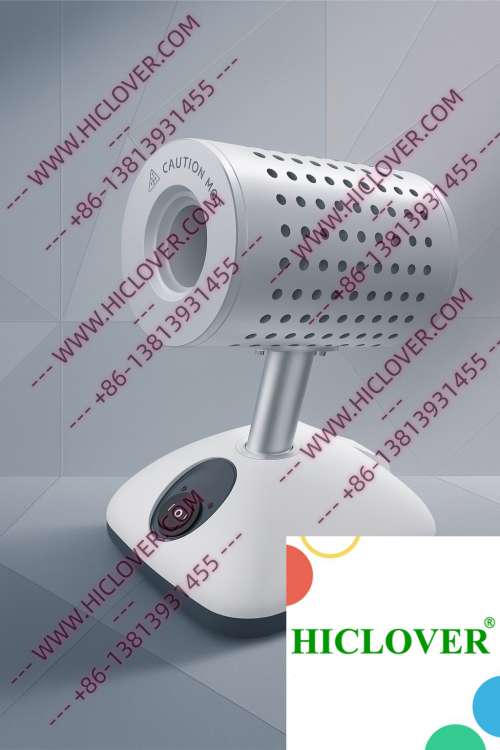
The Micro Incinerator operates on the principle of rapid thermal sterilization through infrared heat. This state-of-the-art device encases a ceramic heating chamber that ensures a high-temperature disinfection process without the necessity for open flames. Unlike traditional alcohol lamps or Bunsen burners, which consume fuel and produce waste, the Micro Incinerator harnesses electric heating, making it a cleaner and more eco-friendly solution.
Applications in Real Laboratory Settings
- Biosafety Cabinets: In BSL-2 and BSL-3 microbiology labs, the Micro Incinerator offers a flame-free sterilization option, significantly reducing aerosol generation and maintaining a sterile environment. Its compact design fits seamlessly into biosafety cabinets, ensuring that microbiologists can effectively sterilize inoculating loops and other instruments without jeopardizing containment.
- Field Testing Labs: Mobile testing units often encounter strict compliance standards regarding sterilization. The portability and ease of use of the Micro Incinerator make it an ideal choice for rapid sterilization in the field. It allows field technicians to safely and efficiently eliminate pathogens from their tools, minimizing contamination risk while adhering to WHO biosafety recommendations.
Design Features and Environmental Compliance
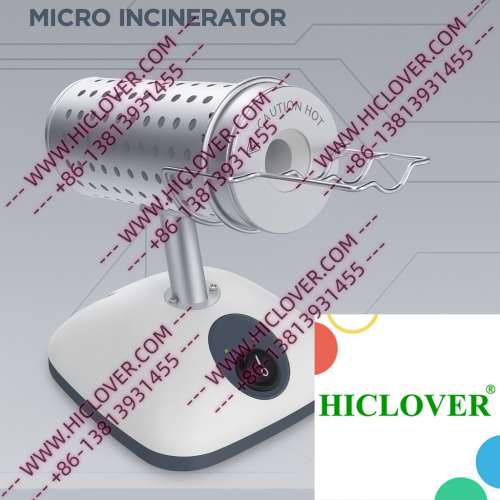
Micro Incinerators are designed with an ergonomic approach, providing laboratory professionals with an intuitive user experience. The integrated ceramic tube ensures that items are sterilized quickly, while the enclosed design reduces the risk of exposure to open flames. Furthermore, more efficient thermal energy usage translates to lower energy consumption and reduced environmental impact, a major advantage over traditional flame sterilizers.
Compliance with international biosafety and laboratory sterilization standards is paramount. The Micro Incinerator aligns with WHO guidelines and various national health regulations, ensuring it meets rigorous safety protocols. The absence of open flames greatly enhances safety in clean rooms and sensitive laboratory environments, where the risk of fire hazards must be mitigated.
Comparative Analysis: Micro Incinerator vs. Traditional Flame Sterilizers
| Feature | Micro Incinerator | Traditional Flame Sterilizers |
|---|---|---|
| Heating Method | Infrared Electric Heating | Open Flame |
| Environmental Impact | Low, reduced emissions | Higher due to fuel consumption |
| Safety | Safe for clean environments | Risk of fire and fumes |
| Speed of Sterilization | Rapid thermal action | Dependent on flame size |
| Compliance | Meets WHO standards | May not meet all standards |
FAQs About Micro Incinerators
- What types of laboratories benefit the most from using Micro Incinerators?
- Biosafety level 2 and 3 laboratories, clinical diagnostics facilities, and teaching labs often prefer Micro Incinerators for their safety and efficiency in sterilization.
- How does the Micro Incinerator improve workflow in a laboratory?
- Its rapid heating and sterilization capabilities allow for seamless integration into sterile workflows, reducing downtime associated with traditional flame sterilization methods.
- Is the Micro Incinerator compliant with international biosafety standards?
- Yes, it meets WHO biosafety recommendations and is designed to comply with various laboratory sterilization standards.
- Can the Micro Incinerator be used in field testing situations?
- Absolutely. Its portable design and efficient sterilization process make it ideal for field applications, ensuring that tools are properly sterilized on-site.
- How does the Micro Incinerator contribute to environmental sustainability?
- By using electric infrared heating rather than combustibles, it reduces emissions and energy consumption, promoting a cleaner laboratory environment.
Conclusion
The move towards Micro Incinerators represents a significant advance in laboratory sterilization equipment, particularly in environmentally conscious regions such as Austria. These devices not only streamline sterilization workflows but also uphold the highest standards of biosafety, supporting researchers in maintaining contamination control. Investing in a Micro Incinerator is not just a decision for efficiency but a commitment to sustainability. For more information about integrating this innovative technology into your laboratory setup, feel free to contact us or explore our product range today.
Categories:
Tags: