
In today’s laboratories, especially in those operating at BSL-2 and BSL-3 biosafety levels, managing biosafety challenges effectively is vital. The sterilization workflow demands prompt and efficient disinfection methods to maintain a contamination-free environment. Traditional flame sterilizers, including alcohol lamps and Bunsen burners, often present safety risks, such as the potential for fires and the introduction of aerosols. Enter the Micro Incinerator, a revolutionary tool designed to enhance sterilization efficiency while prioritizing safety and environmental sustainability.
Technical Principles of the Micro Incinerator
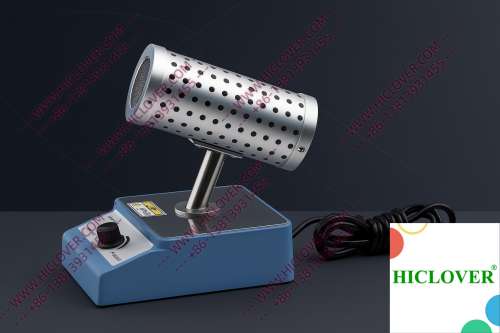
The Micro Incinerator operates on the principle of rapid thermal sterilization using infrared heat. This sophisticated piece of equipment features an enclosed ceramic heating chamber that reaches high temperatures almost instantaneously. Once the inoculating loop or instrument is inserted into the ceramic tube, it undergoes infrared high-temperature disinfection, eliminating microorganisms effectively and instantly.
Unlike traditional flame-based options, the Micro Incinerator ensures clean-bench-safe operations while eliminating aerosol production. This quality is particularly essential in sensitive laboratory environments, preventing airborne contamination that could jeopardize the integrity of ongoing experiments and assays.
Applications in Real Laboratories
1. Biosafety Cabinets
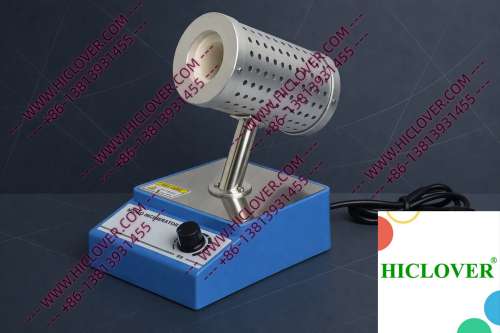
In laboratory settings where a biosafety cabinet is a must, such as in clinical diagnostics and microbiology labs, the Micro Incinerator is particularly valuable. For instance, when handling pathogens, researchers can use this device to sterilize their loops within the safety confines of the cabinet. This setup protects both the user and the samples from potential contamination.
2. Teaching Labs
In university teaching labs, the Micro Incinerator finds its niche as an educational sterilization tool. Demonstrations on effective sterilization techniques using this equipment not only show students the science behind disinfection but also underscore its benefits over traditional flame methods. Students learn the importance of maintaining a sterile environment without the risks associated with open flames.
Compliance and Environmental Considerations
Meeting compliance requirements is essential for laboratory operations. Regulatory bodies such as the World Health Organization (WHO) outline strict biosafety standards that laboratories, especially those dealing with pathogens and hazardous materials, must adhere to. The Micro Incinerator aligns with these standards by offering a flame-free alternative that minimizes risks associated with combustion.
Additionally, in settings like clean rooms—where maintaining air quality is paramount—the Micro Incinerator is ideal. Its design eliminates the need for alcohol vapors and flame, which can introduce risks of ignition and aerosolized contaminants into the work area.
Biosafety Compliance Reference
- BSL-2 & BSL-3 Standards: The use of flame and liquid alcohol is discouraged in high-level containment due to its associated risks.
- WHO Guidelines: Recommend alternate sterilization methods that are more environmentally friendly and safer.
- ISO Standards: Emphasize the importance of sterile equipment and methods that reduce fire hazards.
Comparison: Micro Incinerator vs. Traditional Flame Sterilizers
| Feature | Micro Incinerator | Flame Sterilizers |
|---|---|---|
| Heat Source | Infrared | Open Flame |
| Safety | Flame-free | Potential Fire Hazard |
| Aerosol Production | None | Possible |
| Energy Efficiency | High | Variable |
| Compliance Friendly | Yes | Often a Challenge |
Frequently Asked Questions
- What is a Micro Incinerator, and how does it work? The Micro Incinerator utilizes infrared heat within a ceramic chamber to rapidly sterilize inoculating loops and other tools without producing flames.
- Can the Micro Incinerator replace traditional flame sterilizers? Yes, it offers a safer, more efficient alternative, particularly in environments where contamination control is critical.
- How does this device contribute to environmental sustainability? By eliminating flames and reducing aerosol production, it minimizes environmental hazards associated with traditional sterilization techniques.
- Is the Micro Incinerator compliant with international biosafety standards? Yes, it adheres to WHO recommendations and ISO standards for lab sterilization.
- Where can the Micro Incinerator be used most effectively? It is ideal for BSL-2 and BSL-3 labs, teaching institutions, and any setting requiring stringent contamination control.
Conclusion
The Micro Incinerator represents a significant advancement in laboratory sterilization equipment, emphasizing both safety and environmental benefits. Its rapid thermal sterilization capabilities, compliance with biosafety standards, and reduced contamination risks make it an essential tool for laboratories across various fields. If you’re looking to enhance your laboratory’s sterilization workflow while prioritizing safety and compliance, consider investing in a Micro Incinerator today. Contact us to find out more about how this innovative product can revolutionize your lab practices.
Categories:
Tags: