
In today’s laboratory environments, maintaining biosafety protocols while ensuring effective sterilization poses a significant challenge. Laboratories, especially those interacting with pathogenic microorganisms, must meet rigorous demands for contamination control and workflow efficiency. Enter the Micro Incinerator, also known as the Infrared Inoculating Loop Sterilizer—an innovative solution that aligns with modern sterilization needs. This equipment not only guarantees rapid thermal sterilization but also reduces the environmental footprint associated with traditional flame sterilizers.
The Technical Principles Behind the Micro Incinerator
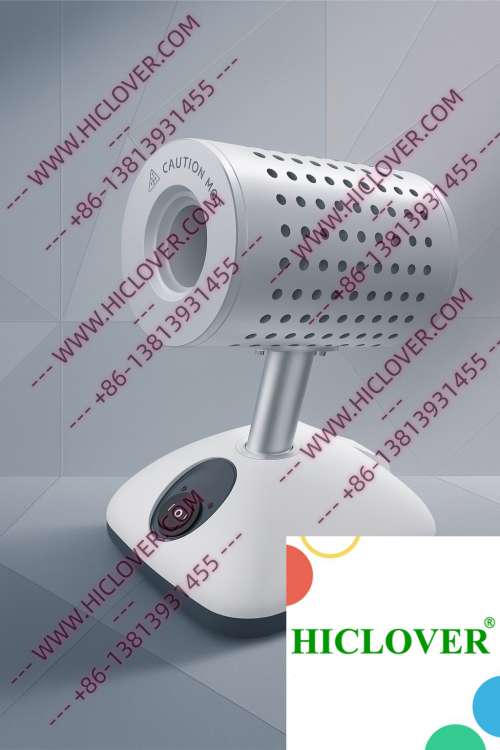
The Micro Incinerator operates on the principle of infrared heat, which is generated by a heating element enclosed within a durable ceramic tube. Unlike traditional flame sterilizers, which use open flames to achieve high temperatures, this device harnesses clean, efficient infrared radiation to disinfect inoculating loops and other small instruments rapidly. The enclosed ceramic heating chamber promotes maximum thermal efficiency, reaching sterilization temperatures in mere seconds—up to 850 degrees Celsius.
Advantages Over Traditional Flame Sterilizers
- Safety: No open flame reduces the risk of fire hazards.
- Aerosol-Free Handling: Minimizes airborne contaminants during sterilization.
- Environmental Impact: Lower carbon footprint with electric usage compared to burning alcohol or gas.
- Precision: Controlled heating allows for consistent sterilization outcomes.
Compared to traditional methods such as alcohol lamps and Bunsen burners, the Micro Incinerator presents a far superior choice for BSL-2 and BSL-3 microbiology labs, clinical diagnostics, university teaching labs, and even mobile field-testing laboratories.
Application Scenarios for the Micro Incinerator
In practical terms, let’s examine how the Micro Incinerator fits within various laboratory environments:
1. Biosafety Cabinet Sterilization
In BSL-2 labs, where pathogens may pose a moderate risk to personnel and the environment, the Micro Incinerator allows researchers to efficiently sterilize tools without exposing them to excess heat or contaminants. Researchers can operate it inside a biosafety cabinet, ensuring a clean space for inoculating loops and pipettes while keeping aerosol emissions minimal—a crucial factor in maintaining air quality and compliance with safety guidelines.
2. University Teaching Labs
In educational settings, the Micro Incinerator serves an essential role. Students are taught best practices for aseptic techniques while working with live cultures. With its rapid shut-off mechanism and lightweight design, it enables users to switch between various sterilization tasks swiftly, optimizing learning time without compromising safety.
Compliance and Environmental Standards
Adhering to global biosafety standards is crucial in laboratory operations. For instance, the World Health Organization (WHO) outlines strict guidelines for laboratory sterilization, emphasizing the need for flame-free methods in controlled environments like clean rooms. The Micro Incinerator’s electric design ensures compliance with these standards while promoting a safer work atmosphere.
Furthermore, its efficient energy consumption aligns with sustainability initiatives. By reducing chemical disposal risks associated with traditional sterilization methods, it fosters a cleaner environment, which is gaining importance in countries like Sweden, known for its commitment to ecological responsibility and innovation in lab practices.
FAQs About Micro Incinerators
What are the primary benefits of using a Micro Incinerator in the lab?
The Micro Incinerator provides rapid thermal sterilization, enhances safety with no open flames, and minimizes environmental impact through electric operation.
Can the Micro Incinerator be used in BSL-3 laboratories?
Yes, it is suitable for BSL-3 labs thanks to its ability to provide sterilization without generating aerosols, thus maintaining enhanced biosafety protocols.
How does infrared heating in Micro Incinerators compare to flame methods?
Infrared heating offers more controlled temperatures, reduces the risk of overheating samples, and eliminates the hazards associated with using open flames.
Is the Micro Incinerator energy efficient?
Indeed, these devices are designed to use minimal power while providing rapid and effective sterilization, making them a sustainable choice for laboratories.
Where can I purchase a Micro Incinerator?
You can reach out to specialized laboratory supply distributors or manufacturers to inquire about purchasing options and bulk pricing.
Conclusion: Embracing Modern Sterilization Solutions
In light of the ongoing challenges faced by laboratory professionals regarding biosafety and sterilization, the use of the Micro Incinerator presents a forward-thinking solution that addresses these demands effectively. Its design, rooted in advanced technology, supports the critical goals of maintaining a clean work environment while offering efficiency and compliance with global standards. For those looking to acquire or learn more about this exceptional sterilization equipment, please do not hesitate to contact us. Let’s enhance your laboratory workflows sustainably!
Categories:
Tags: