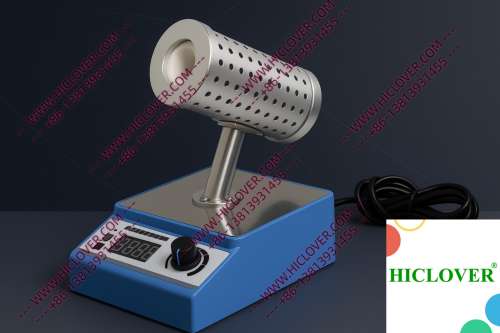
In the world of microbiology, the need for stringent biosafety measures is paramount. Whether in a bustling laboratory or in the field, maintaining contamination control while ensuring rapid thermal sterilization techniques is essential. Laboratory sterilization equipment has become indispensable, and among them, the Micro Incinerator / Infrared Inoculating Loop Sterilizer stands out as a preferred choice.
Understanding Laboratory Sterilization Challenges
The rise of infectious diseases and the ever-increasing complexity of sample handling have spotlighted the critical role of sterilization in laboratories. Traditional methods like alcohol lamps and Bunsen burners have served a purpose but come with significant drawbacks. Open flames pose risks of contamination through aerosol generation and can ignite flammable materials, making them unsuitable for use in clean rooms or Biosafety Level (BSL) 2 and 3 labs.
Technical Principles of Micro Incinerators
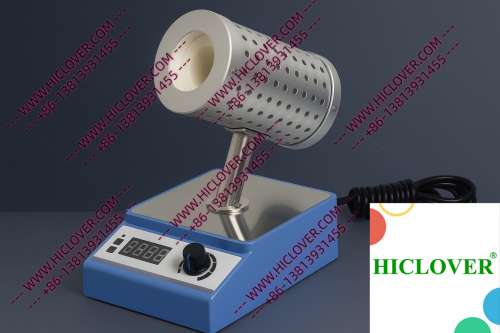
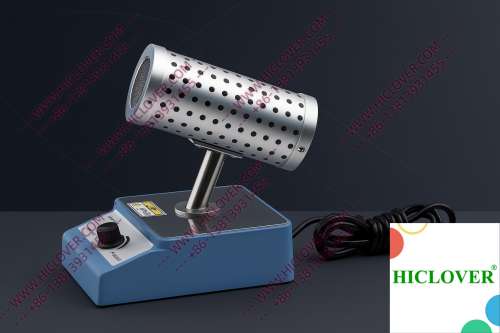
Micro Incinerators utilize infrared technology to achieve high-temperature disinfection efficiently. They typically feature a ceramic heating chamber that heats up rapidly, exceeding temperatures of 800°C to ensure rapid thermal sterilization. The closed design minimizes the risk of aerosol generation, making it ideal for use in sensitive environments like biosafety cabinets. With a rapid heat-up time and compact design, these sterilizers provide an optimal solution for labs needing to maintain sterilization workflow rapidly.
Applications in Real Labs
There are various scenarios in which a Micro Incinerator can be applied effectively. Here are two compelling use cases:
- Biosafety Cabinets: In a BSL-2 environment, where specimen handling requires utmost caution, a Micro Incinerator provides a flame-free alternative to ensure that inoculating loops are sterilized without risking contamination. This promotes a controlled atmosphere that is essential for quality results.
- Field Testing: In mobile labs or field conditions, rapid sterilization becomes crucial. The portability of a Micro Incinerator allows research teams working in remote locations to maintain sterility without the complications associated with traditional flame sterilizers. For example, field biodiversity studies in tropical forests benefit from this practical solution.
Compliance with Biosafety Standards
With stringent guidelines from organizations like the World Health Organization (WHO), compliance with lab sterilization standards is non-negotiable. Infrared sterilizers like the Micro Incinerator align with these regulations by providing a safe, flame-free method that adheres to:
- No open flames in clean rooms
- High-temperature sterilization in BSL-2/3 environments
- Minimal risk of aerosol production
These features highlight the advantages of modern sterilization technologies over traditional methods, emphasizing safety and efficiency.
Comparison of Micro Incinerators versus Flame Burners
| Feature | Micro Incinerator | Flame Burner |
|---|---|---|
| Safety | Flame-free operation; lower risk of ignition | Open flame; risk of fire and contamination |
| Heat Source | Infrared heat; rapid heating | Gas flame; variable heating efficiency |
| Portability | Compact and lightweight | Bulkier and less mobile |
| Environmental Impact | Fewer hazardous emissions | Combustion emissions from fuels |
Frequently Asked Questions
1. What are the major advantages of using a Micro Incinerator over a traditional flame sterilizer?
The Micro Incinerator provides a safer and more efficient method of sterilization by eliminating the risks associated with open flames, requires less maintenance, and achieves higher temperatures quickly.
2. Can the Micro Incinerator be used in a teaching laboratory?
Absolutely! The Micro Incinerator is perfect for teaching labs, where students require hands-on experience in microbiology while ensuring safety and compliance with sterilization standards.
3. What are the temperature settings available for the Micro Incinerator?
Micro Incinerators typically reach temperatures up to 800°C, ensuring comprehensive sterilization of inoculating loops and other instruments in a matter of seconds.
Conclusion
As laboratories and research institutions prioritize biosafety, the role of reliable sterilization equipment cannot be overstated. The Micro Incinerator/Infrared Inoculating Loop Sterilizer emerges as the go-to solution for microbiologists looking to enhance safety and efficiency in their sterilization processes. Whether for field testing, educational purposes, or clinical diagnostics, adopting a Micro Incinerator opens doors to effective contamination control.
If you’re seeking to elevate your laboratory sterilization standards, reach out today to explore how the Micro Incinerator can transform your workflow and ensure compliance with safety regulations.
Categories:
Tags: