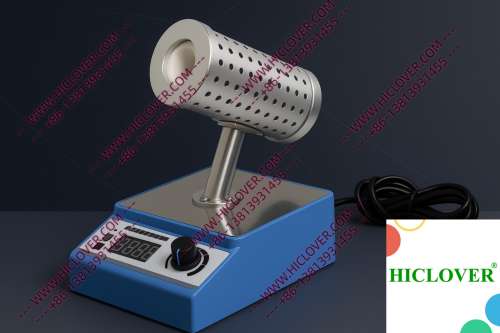
In the world of laboratory research and clinical diagnostics, laboratory sterilization is a key component of biosafety protocols. Laboratory professionals face numerous challenges when it comes to contamination control, particularly within BSL-2 and BSL-3 laboratories where pathogenic organisms are studied. Traditional flame sterilizers like alcohol lamps and Bunsen burners have served the purpose for years yet come with their own set of limitations.
Innovative Solutions: The Micro Incinerator / Infrared Inoculating Loop Sterilizer
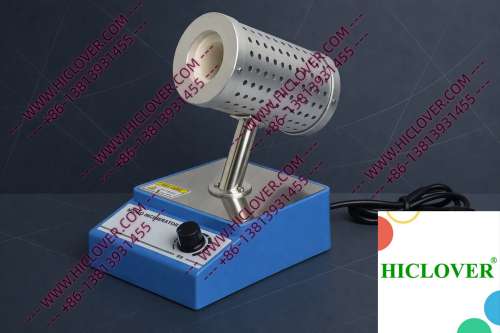
The evolution of sterilization equipment has brought forth advanced solutions like the Micro Incinerator, commonly referred to as the Infrared Inoculating Loop Sterilizer. This cutting-edge device utilizes rapid thermal sterilization technology, employing infrared heat to achieve high-temperature disinfection within an enclosed ceramic heating chamber. Its design minimizes the risks associated with open flames, thus supporting a clean and safe work environment.
Key Features and Technical Principles
The Infrared Inoculating Loop Sterilizer stands apart from traditional sterilizers due to its compelling features:
- Rapid Thermal Sterilization: Achieves temperatures over 800°C in seconds.
- Environmentally Friendly: Avoids alcohol and other flammable materials.
- The Enclosed Design: Prevents aerosol generation ultimately enhancing user safety.
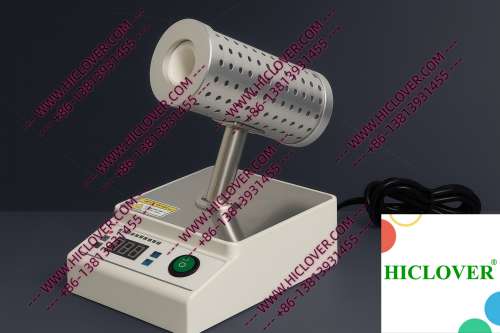
The operating principle revolves around the use of infrared radiation, heating the metallic inoculating loop to the desired sterilization temperature almost instantly. This ensures that no living microbial contaminants remain to pose a risk during laboratory procedures. The enclosed ceramic tube not only facilitates rapid heat absorption but also focuses energy output efficiently, making it perfect for the logistics of biosafety cabinets.
Applications in Real Laboratories
When assessing the application of Infrared Inoculating Loop Sterilizers in laboratories, several scenarios highlight their value:
Biosafety Cabinet Usage
In BSL-2 laboratories, where controlled environments are critical, the Micro Incinerator provides an ideal solution for the sterile handling of inoculating loops. Unlike traditional flame-based methods, which can contaminate the surrounding area with heat and particulate matter, the infrared sterilizer ensures a clean, safe workspace, crucial for sensitive experiments involving pathogenic microbes.
Field Testing and Clinical Diagnostics
For mobile testing units or outdoor research scenarios, the Infrared Inoculating Loop Sterilizer proves invaluable. Its compact size and lack of a flame make it suitable for environments where traditional options may pose hazards. In clinical diagnostics, quick and efficient sterilization is essential, where immediate results can lead to rapid treatment decisions. The Micro Incinerator aligns perfectly with these requirements, simplifying workflows and elevating biosafety standards.
Compliance and Environmental Considerations
Adhering to WHO biosafety guidelines is non-negotiable for laboratories handling infectious agents. These guidelines emphasize the importance of minimizing risks in handling and disposal methods. For example, operational standards mandate the use of sterilization technologies that do not compromise air quality in clean-room environments. Flame sterilizers, often leading to aerosol generation, do not conform to these requirements, while infrared systems effectively reduce contamination risks.
Furthermore, in many regions, including clinical settings in countries like the UK or the USA, strict lab sterilization standards dictate that no flame sterilizers be present in certain areas to prevent fire hazards and maintain safe airflow.
Comparison: Micro Incinerator vs. Traditional Flame Sterilizers
| Features | Micro Incinerator | Flame Sterilizers |
|---|---|---|
| Ease of Use | One-touch operation | Requires manual ignition |
| Safety | Flame-free, less risk of fire | Open flames can be hazardous |
| Speed of Sterilization | Seconds to reach sterilization temperature | Variable; dependent on skills |
| Environmental Impact | No aerosols, clean air usage | Potential aerosol generation |
| Portability | Compact, lightweight | Less portable due to size and fuel |
Frequently Asked Questions (FAQs)
What is an Infrared Inoculating Loop Sterilizer used for?
The Infrared Inoculating Loop Sterilizer is designed to rapidly sterilize inoculating loops utilized in microbiology labs, ensuring they are free from contamination before use.
How does it differ from traditional flame sterilizers?
Unlike traditional flame sterilizers, the infrared sterilizer does not produce an open flame, which eliminates risks associated with fire and aerosol generation while providing faster sterilization times.
Can it be used in BSL-3 labs?
Yes, the Infrared Inoculating Loop Sterilizer is suitable for biosafety levels up to BSL-3, where sterile conditions are paramount for handling highly infectious agents.
Is the Micro Incinerator compliant with international biosafety standards?
Absolutely! It complies with WHO biosafety standards and various laboratory sterilization regulations that require minimizing contamination and ensuring operational safety.
How portable is the Infrared Inoculating Loop Sterilizer?
Its compact design makes it ideal for mobile applications, such as field testing and outdoor research, as it can easily fit into laboratory packs and does not require bulky fuel sources.
Conclusion
The journey of laboratory sterilization is evolving with advancements like the Micro Incinerator / Infrared Inoculating Loop Sterilizer, setting new benchmarks in biosafety and operational efficiency. With its rapid thermal sterilization capabilities and enclosed design, it not only simplifies sterilization workflows but significantly improves safety within sensitive laboratory environments. Whether your laboratory needs are in clinical diagnostics or research, consider integrating this innovative device into your sterilization practices. Reach out to us today for your inquiries and elevate your laboratory safety standards!
Categories:
Tags: