
As laboratory environments evolve, so too do the demands for effective sterilization solutions. Biolabs, research facilities, and educational institutions face persistent biosafety challenges. Rapid thermal sterilization has emerged as a crucial requirement in maintaining contamination control and ensuring the integrity of scientific work. Traditional flame-based sterilizers, such as alcohol lamps and Bunsen burners, while familiar, often pose safety risks and are less efficient than modern alternatives. This article focuses on the Micro Incinerator / Infrared Inoculating Loop Sterilizer, a cutting-edge device designed to meet the rigorous sterilization demands of contemporary laboratories.
Understanding the Technical Principles of Infrared Heating
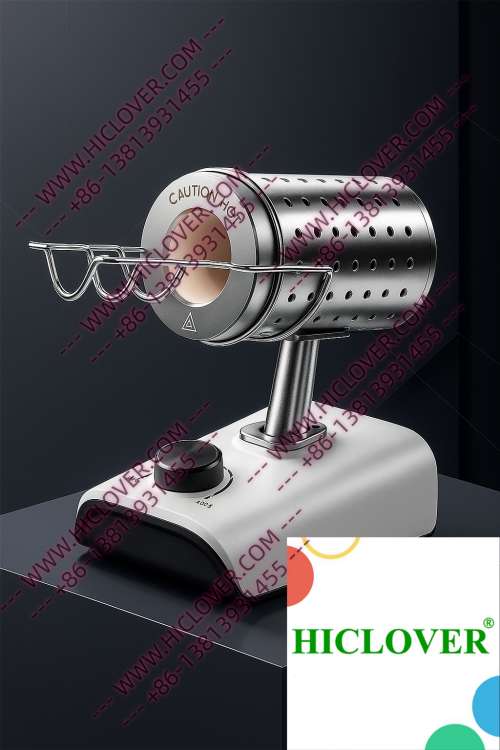
The Micro Incinerator is engineered using an enclosed ceramic heating chamber designed to deliver infrared high-temperature disinfection. Unlike flame-based devices, it utilizes rapid thermal sterilization without the associated risks of open flames. The infrared heating element provides uniform and precise heating, which is critical for effectively sterilizing inoculating loops and other laboratory equipment.
- Enclosed Ceramic Tube: The design of the ceramic chamber safely isolates the heating process, preventing contamination from external sources.
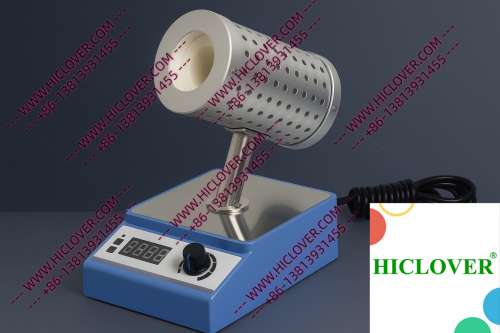
- Temperature Control: Adjustable settings allow for specific temperature management to suit various sterilization tasks.
- Aerosol-Free Handling: The lack of exposed flames ensures a safe environment, particularly in clean benches and biosafety cabinets.
Real-Life Applications in Laboratory Settings
The versatility of the Micro Incinerator makes it suitable for various applications across different laboratory environments:
1. Biosafety Cabinet Applications
In BSL-2 and BSL-3 microbiology labs, adhering to strict sterilization standards is paramount. The Micro Incinerator can be safely utilized within a biosafety cabinet, allowing researchers to sterilize their inoculating tools without interrupting airflow or risking exposure to harmful pathogens. In such scenarios, the rapid thermal sterilization capability of the incinerator minimizes contamination risks while ensuring that sterile techniques are easily maintained.
2. Teaching Laboratories
University teaching labs are another prime setting for the Micro Incinerator. The device presents an educational opportunity for students learning about microbiological techniques. It offers a straightforward and effective method for students to learn how to sterilize tools without the hazards associated with traditional flame sterilizers. Furthermore, the unit’s portability ensures that it can be used across different training sessions and practical demonstrations.
Compliance and Environmental Considerations
Adhering to international biosafety standards, such as those outlined by the World Health Organization (WHO), is essential in laboratory practices. The Micro Incinerator meets critical lab sterilization standards, ensuring both compliance and safety. Key advantages include:
- Elimination of flames within clean rooms, significantly reducing fire hazards.
- Improved control of aerosols during sterilization, essential for biosafety.
- Energy efficiency, leading to reduced environmental impact compared to traditional devices.
Micro Incinerator vs. Traditional Flame Sterilizers
The following table illustrates key differences between the Micro Incinerator and traditional flame sterilizers, such as Bunsen burners and alcohol lamps:
| Feature | Micro Incinerator | Flame Sterilizers |
|---|---|---|
| Safety | Closed system, no open flames | Open flames, fire hazard |
| Heat Control | Precise temperature settings | Variable, can be inconsistent |
| Portability | Compact and lightweight | Variable, can be bulky |
| Aerosol Management | Aerosol-free handling | Aerosol generation |
Frequently Asked Questions
- What is a Micro Incinerator, and how does it work?
This device uses infrared heating within a ceramic chamber to sterilize tools without flames, ensuring rapid and effective disinfection. - Can the Micro Incinerator be used in field testing environments?
Yes, its portability makes it ideal for field applications where on-site sterilization is necessary. - How does the Micro Incinerator ensure safety in laboratory environments?
By eliminating open flames and managing aerosols, it creates a safer work environment, particularly in clean rooms and biosafety cabinets. - What are the energy consumption benefits of using a Micro Incinerator?
It typically consumes less energy than traditional flame sterilizers, leading to cost savings and reduced environmental impact. - Is the Micro Incinerator compliant with WHO standards?
Absolutely, it meets international biosafety standards for lab sterilization.
Conclusion: Embracing Modern Sterilization Solutions
As laboratories navigate the complexities of biosafety and contamination control, investing in modern sterilization solutions is imperative. The Micro Incinerator / Infrared Inoculating Loop Sterilizer presents a compelling alternative to traditional flame sterilizers, offering an array of advantages that bolster safety, efficiency, and workflow productivity. Whether you are operating in a clinical diagnostics setting, university teaching lab, or a field-based research environment, this device can significantly enhance your sterilization processes. For inquiries or to learn more about incorporating this innovative tool into your laboratory equipment lineup, please do not hesitate to contact us today!
Categories:
Tags: