
The demand for effective laboratory sterilization is continuously growing as microbiology labs face stringent biosafety challenges. Ensuring contamination control and maintaining safe environments for both staff and experiments are critical. Traditional methods, such as flame sterilizers, present several issues, including the production of aerosols, potential fire hazards, and the need for additional safety measures. As labs trend towards enhanced safety and efficiency, innovations like the Micro Incinerator / Infrared Inoculating Loop Sterilizer are at the forefront of revolutionizing sterilization processes.
Understanding Micro Incinerators
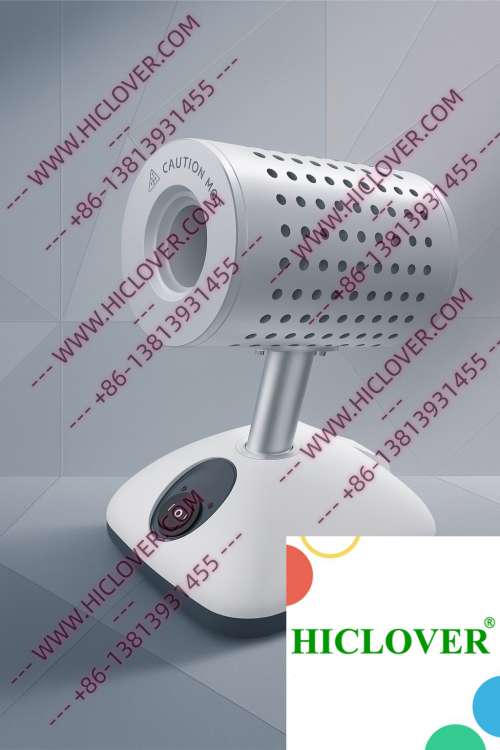
The Micro Incinerator operates on the principle of rapid thermal sterilization using infrared heat. Unlike traditional flame methods such as alcohol lamps and Bunsen burners, this advanced device leverages an enclosed ceramic tube, which provides a controlled environment for high-temperature disinfection. The temperatures achieved in these sterilizers typically range from 800°C to 1000°C, ensuring that all microbial life is eradicated efficiently.
- Enclosed Heating Element: The ceramic heating chamber allows for consistent and focused heat, minimizing thermal shock and preserving loop integrity.
- Infrared Technology: Infrared heating is faster and reduces the risk of aerosol generation, making it safer for laboratory personnel.
- Compact Design: These units are lightweight and easy to handle, perfect for various laboratory settings.
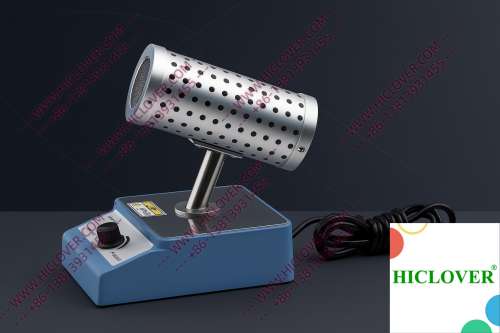
Applications in Microbiology Labs
Micro Incinerators are versatile and can be deployed in various lab environments. Here are two illustrative application scenarios:
1. Biosafety Cabinets
In BSL-2 and BSL-3 microbiology labs, sterile workspaces are paramount. Micro Incinerators provide an efficient means to sterilize inoculating loops and needles within biosafety cabinets, ensuring that no external contaminants compromise sensitive experiments. As researchers manipulate potentially pathogenic organisms, the risk of contamination is significantly reduced, thereby enhancing the reliability of experimental results.
2. Field Testing and Teaching Labs
In mobile or field testing labs, the compact size and robust design of Micro Incinerators pay off. For instance, microbiologists collecting water samples in remote locations can effectively sterilize their equipment on-site, ensuring sample integrity and preventing cross-contamination. Similarly, universities often incorporate these devices into their teaching labs. By demonstrating rapid thermal sterilization, students learn proper techniques while engaging with state-of-the-art equipment.
Compliance and Environmental Considerations
As laboratories navigate regulations and guidelines set forth by organizations like the World Health Organization (WHO), adherence to sterilization standards is crucial. The introduction of Micro Incinerators aligns well with these efforts, offering a compliance-friendly alternative to open flame devices. Key advantages include:
- No open flames, making them safe for use in clean rooms.
- Efficient utilization of energy, with minimized environmental impact compared to flame sterilizers.
- Reduction of hazardous aerosols in the lab environment, enhancing safety protocols.
Flame devices often require rigorous protocols to manage ignition sources and can present challenges in meeting specific biosafety regulations. By opting for Micro Incinerators, labs not only elevate safety standards but also ensure compliance with global biosafety norms.
Comparative Analysis: Micro Incinerators vs. Flame Sterilizers
| Feature | Micro Incinerator | Flame Sterilizer |
|---|---|---|
| Aerosol Production | No aerosol generation, safer handling | High risk; potential for contamination |
| Temperature Control | Precise control with infrared heating | Varies; dependant on user technique |
| Compliance | Meets WHO and biosafety standards | Requires extensive safety protocols |
| Footprint | Compact and portable | Bulky; less suited for limited spaces |
Frequently Asked Questions
1. What is the primary benefit of using a Micro Incinerator over traditional sterilization methods?
The primary benefit lies in its rapid thermal sterilization technology, which significantly reduces contamination risks and enhances laboratory safety by eliminating aerosol production and fire hazards.
2. Can Micro Incinerators be used in clean room environments?
Yes, Micro Incinerators are ideal for clean room applications due to their enclosed design, which prevents contamination and aligns with strict safety protocols.
3. How do I maintain a Micro Incinerator?
Maintenance involves regularly cleaning the ceramic tube and ensuring that the heating elements are functioning correctly. It’s advisable to follow the manufacturer’s guidelines for optimal performance.
4. Are Micro Incinerators suitable for all laboratory types?
Absolutely! They are highly versatile and can be utilized in teaching labs, research facilities, and even mobile testing environments.
5. What compliance standards do Micro Incinerators meet?
Micro Incinerators comply with various international safety and sterilization standards, including those set forth by the WHO and local biosafety regulations.
Conclusion
Micro Incinerators are undoubtedly changing the landscape of sterilization in microbiology labs, providing enhanced safety, efficiency, and compliance with modern standards. As the shift towards safer laboratory practices continues to evolve, these innovative devices stand out as essential tools for professionals. For more details regarding our high-quality Micro Incinerator / Infrared Inoculating Loop Sterilizer, please reach out to us for inquiries or to place an order.
Categories:
Tags: