
As the world grapples with emerging pathogens, laboratory biosafety faces unprecedented challenges. With the increase in research on infectious diseases, the demand for reliable and effective sterilization methods has never been higher. In this context, micro-incinerators and infrared inoculating loop sterilizers are stepping into the spotlight, promising a revolution in laboratory sterilization equipment.
The Challenge of Laboratory Sterilization
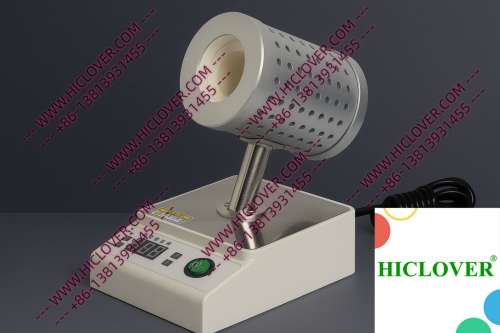
Laboratories are integral to the study and understanding of pathogens; however, they also pose significant risk if not equipped with appropriate sterilization solutions. Traditional systems such as alcohol lamps and Bunsen burners present potential fire hazards, contamination risks, and limitations in portability. In environments like BSL-2 and BSL-3 microbiology labs, the need for rapid and efficient sterilization solutions that minimize aerosol production and maintain cleanliness is critical.
Overview of Micro Incinerator Technology
The micro-incinerator, specifically the infrared inoculating loop sterilizer, utilizes cutting-edge technology to address these concerns. Its core principle revolves around infrared heat generated within an enclosed ceramic tube. This mechanism enables the sterilization equipment to reach high temperatures rapidly, effectively incinerating microbial contaminants in mere seconds. The enclosed design not only improves thermal efficiency but also ensures that sterilization occurs in a clean-bench-safe manner, making it suitable for a variety of laboratory environments.
Benefits Over Traditional Flame Sterilizers
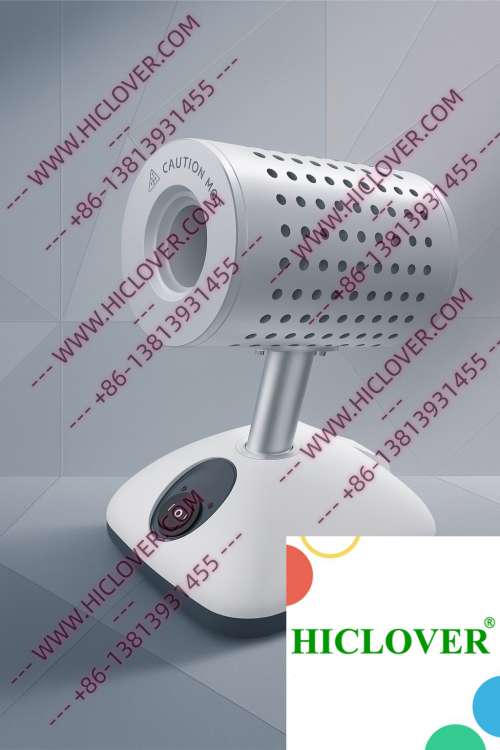
- Rapid Thermal Sterilization: Provides immediate results with no waiting time.
- Contamination Control: The enclosed chamber reduces the risk of microbial escape into the lab environment.
- Aerosol-Free Handling: Minimizes aerosol generation, crucial for pathogen-rich environments.
- Adjustable Temperature Settings: Ensures adaptability to different sterilization tasks without compromising effectiveness.
Application Scenarios in the Lab
Case Study 1: Clinical Diagnostics
In many clinical labs, the micro incinerator is invaluable during the manipulation of infectious samples. For example, when transferring pathogens from one vial to a culture plate in a biosafety cabinet, lab technicians recognize the importance of clean tools. Utilizing infrared inoculating loop sterilizers allows for swift sterilization of inoculating loops, enhancing both efficiency and safety. As they operate without open flames, these sterilizers support a sterile environment, crucial when handling pathogens such as SARS-CoV-2 or other viral agents.
Case Study 2: University Teaching Labs
In teaching laboratories, where students practice microbiological techniques, the need for safety and user-friendliness is paramount. Incorporating infrared sterilizers for education not only teaches students about modern sterilization methods, but it also reduces the risk associated with open flames. Students can safely sterilize their inoculating loops between cultures, enabling them to focus on learning rather than worrying about contamination or fire hazards.
Compliance Standards and Environmental Considerations
Globally accepted standards safeguard laboratory biosafety. The World Health Organization (WHO) has outlined crucial biosafety measures that laboratories must adhere to when handling pathogens. Compliance with sterilization standards ensures that laboratories operate within legal and ethical boundaries. Micro-incinerators are particularly relevant in clean rooms as they eliminate open flames, which are prohibited to avoid contamination and fire hazards.
In regions like Europe, laboratories are required to follow stringent guidelines for sterilization techniques. These include protocols emphasized by the European Committee for Standardization (CEN) that mandate low-emission practices and effective pathogen control. The shift towards electronic sterilization devices mirrors the need to mitigate environmental impact while enhancing laboratory safety.
Comparative Insights: Micro Incinerators vs. Flame Burners
| Feature | Micro Incinerator | Flame Sterilizers |
|---|---|---|
| Safety | Enclosed system, no open flames | Open flame, risk of fire |
| Efficiency | Rapid sterilization | Time-consuming |
| Portability | Compact and lightweight | Heavier and less convenient |
| Environmental Impact | Low emissions | Produces harmful byproducts |
Frequently Asked Questions (FAQs)
1. What is the primary advantage of using a micro incinerator in the lab?
The primary advantage lies in its rapid thermal sterilization capability, ensuring effective sterilization without the risks associated with open flames.
2. Are micro incinerators suitable for handling hazardous pathogens?
Yes, micro incinerators are designed to be safe for use in BSL-2 and BSL-3 environments, mitigating risks associated with contamination and providing efficient sterilization.
3. How do I maintain a micro incinerator for optimal performance?
Regular cleaning of the ceramic tube and ensuring the device is free from contaminants will help maintain its performance and longevity.
4. Can a micro incinerator be used in mobile or field testing labs?
Absolutely! Their compact size and absence of flame make them ideal for field testing environments where safety and portability are paramount.
5. What safety features should I look for in a laboratory sterilizer?
Opt for sterilizers with enclosed systems, adjustable temperature settings, and materials designed to minimize contamination risks.
Conclusion
The evolution of sterilization technologies, particularly the micro incinerator, represents a significant leap forward in ensuring laboratory safety and compliance. With its rapid sterilization capabilities and reduced environmental impact, it is an invaluable addition to various lab settings, from educational institutions to clinical diagnostics. For those looking to upgrade their sterilization processes, investing in a high-quality infrared inoculating loop sterilizer can enhance both safety and efficiency.
If you’re interested in learning more or considering a purchase, contact us today for detailed information on how our solutions can fit into your laboratory environment.
Categories:
Tags: