
Laboratories today face critical biosafety challenges, where the need for effective sterilization equipment has never been more pressing. Inefficient sterilization processes can lead to contamination, promoting the rise of harmful pathogens. As more advanced biological research and clinical diagnostics unfold within high-stakes environments like BSL-2 and BSL-3 labs, the demand for robust laboratory sterilization equipment such as Micro Incinerators has surged.
Understanding Micro Incinerators: The Technical Edge
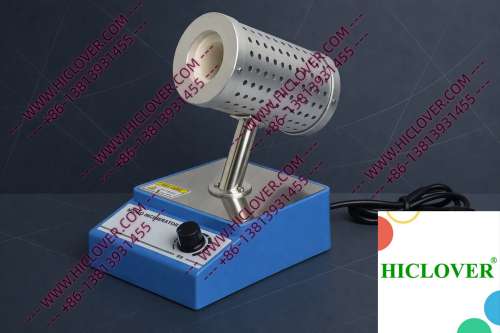
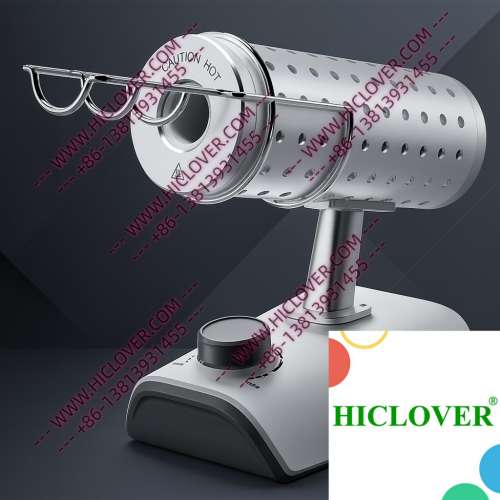
Micro Incinerators, also known as Infrared Inoculating Loop Sterilizers, utilize rapid thermal sterilization principles to eliminate contamination effectively. Unlike traditional flame sterilizers such as alcohol lamps and Bunsen burners, these modern devices employ a heated ceramic tube that emits infrared heat, ensuring thorough and instantaneous disinfection of inoculating loops and other laboratory tools.
The key advantage lies in their design: the enclosed ceramic heating chamber provides a clean-bench-safe environment that reduces the risk of aerosol generation, making it ideal for sensitive laboratory settings. This stable energy output not only enhances the usability of the sterilization process but also accelerates workflow efficiency compared to conventional flames.
Advantages Over Traditional Flame Sterilizers
| Feature | Micro Incinerator | Flame Sterilizer |
|---|---|---|
| Heating Time | 2-5 seconds | 10-15 seconds |
| Contamination Control | Better; no open flame | Risk of aerosols |
| Ease of Use | User-friendly; no additional setup | Requires flame management |
| Safety | Enhanced; safer in sterile environments | Potential fire hazards |
Practical Applications of Micro Incinerators in Laboratories
1. BSL-2 and BSL-3 Laboratories
In BSL-2 and BSL-3 microbiology labs, stringent biosafety regulations demand precise handling of infectious agents. Here, the Micro Incinerator plays a vital role in maintaining sterility during culture transfer processes. As scientists work with pathogenic bacteria, every contamination risk must be mitigated. The rapid thermal sterilization offered by Micro Incinerators allows researchers to quickly and effectively sterilize inoculating loops, promoting safe culture transfers without the added risks associated with flame sterilizers.
2. University Teaching Labs
In the realm of education, teaching labs often engage students in hands-on microbiology experiments. Implementing the Micro Incinerator not only enhances safety but also simplifies the teaching process. Instructors can promote best practices by demonstrating the use of modern sterilization equipment, emphasizing rapid sterilization techniques and encouraging students to maintain contamination control. The user-friendly design allows for a smooth learning curve, making it an ideal choice for academic institutions focused on practical training in microbiological techniques.
Compliance with Sterilization Standards
When integrating any laboratory sterilization equipment, compliance with regulatory and biosafety standards is paramount. The World Health Organization (WHO) and various lab sterilization standards underscore the significance of adopting flame-free sterilization methods, particularly in clean room environments where fire hazards can pose severe risks. Micro Incinerators adhere to these guidelines, providing laboratories with a crucial tool for effective sterilization while ensuring safety measures are upheld.
- WHO Biosafety in Microbiological and Biomedical Laboratories guidelines
- ASTM standards for laboratory equipment
- ISO certification for sterilization products
- EPA regulations on laboratory safety
FAQs About Micro Incinerators
What is the lifespan of a Micro Incinerator?
The typical lifespan of a Micro Incinerator depends on usage but can last several years with proper maintenance.
Can the Micro Incinerator be used in clean rooms?
Yes, Micro Incinerators are designed to promote a clean environment with no open flames, making them suitable for clean room applications.
Is it suitable for field testing?
Yes, the portability of Micro Incinerators makes them a great choice for field testing, providing on-the-go sterilization capabilities.
How fast does it sterilize instruments?
Micro Incinerators can sterilize inoculating loops in under 5 seconds, ensuring rapid turnover between uses.
Are replacement parts easily available?
Replacement parts for Micro Incinerators are typically easy to find through laboratory supply distributors.
Conclusion: The Next Step in Laboratory Sterilization
The future of biocontainment in laboratories hinges upon the adoption of innovative sterilization technologies, and the Micro Incinerator has emerged as a pivotal tool in this evolution. Laboratory supply distributors, hospitals, and research centers should explore these cutting-edge solutions to enhance workflow efficiency and ensure compliance with stringent safety standards. Investing in Micro Incinerators will not only improve laboratory practices but also foster a safer and more productive research environment. Contact us today to learn more about our Micro Incinerator products and how they can revolutionize your sterilization process.