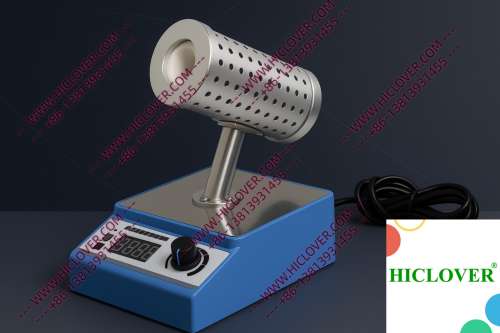
In today’s rapidly evolving laboratory setting, maintaining a safe and sterile environment is more important than ever. Practitioners face numerous biosafety challenges ranging from contamination control to workflow efficiencies in microbiology labs, clinical diagnostics, and academic institutions. Amidst these challenges, the advent of innovative sterilization technologies such as Micro Incinerators—specifically the Infrared Inoculating Loop Sterilizer—is revolutionizing lab sanitization methods.
The Technical Principles Behind Micro Incinerators
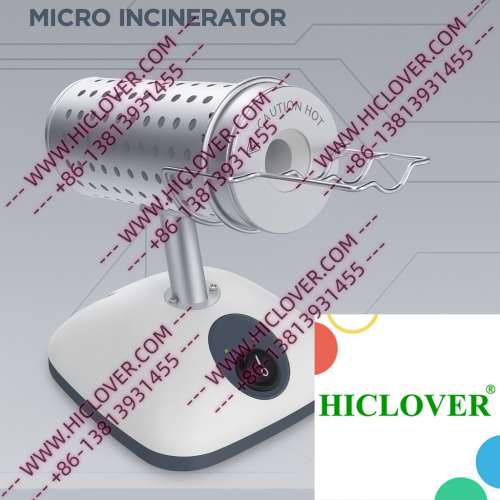
Micro Incinerators employ advanced thermal disinfection methods that stand in stark contrast to traditional flame-based sterilizers like alcohol lamps and Bunsen burners. Utilizing infrared heat, these compact devices provide rapid thermal sterilization through enclosed ceramic heating chambers. The infrared technology allows for high-temperature disinfection without the need for an open flame, thus providing an aerosol-free handling experience that is crucial in a range of laboratory environments.
The configuration typically includes:
- Ceramic heating tube: An efficiently enclosed chamber that heats rapidly and evenly.
- Integrated safety features: To ensure operator safety, preventing accidental burns or ignition.
- Lightweight design: Easily portable for varied lab settings including field testing labs.
- Ease of use: Simple controls and quick start-up times streamline the user experience.
- Rapid sterilization improves workflow efficiency.
- Enhanced safety profile minimizes risks in teaching and research labs.
- Environmentally friendly; reduces chemical usage.
- Compact design facilitates use in various lab configurations.
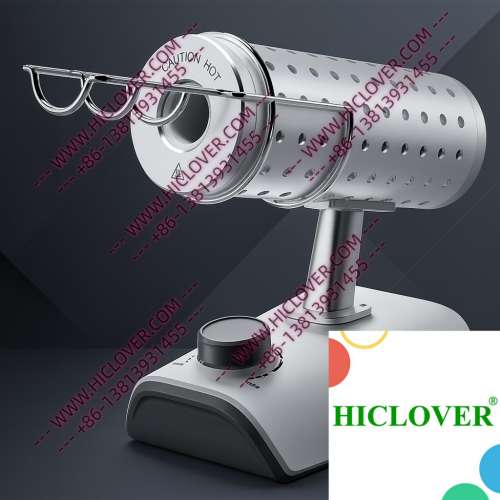
Real Lab Applications for Micro Incinerators
1. Biosafety Cabinets in BSL-2 and BSL-3 Laboratories
In Biosafety Level 2 (BSL-2) and Level 3 (BSL-3) labs, where pathogens that can cause human disease are frequently handled, the Micro Incinerator becomes an indispensable tool. Its ability to sterilize inoculating loops and other small-scale lab instruments prevents cross-contamination during experiments, satisfying stringent WHO biosafety standards. Moreover, its compact footprint allows it to fit seamlessly into existing biosafety cabinets, enhancing laboratory workflows without compromising safety.
2. Teaching Labs in University Settings
Educational institutions face unique challenges when it comes to laboratory sterilization. The Micro Incinerator serves as an excellent fit for university teaching labs, where students need hands-on experience with sterilization techniques. By using an infrared inoculating loop sterilizer, students can quickly learn about contamination control methods without the risks associated with flame-based sterilization. This enables educators to focus more on teaching and less on managing safety hazards in the lab environment.
Compliance and Environmental Considerations
Compliance with global and local lab sterilization standards is paramount. According to WHO guidelines, laboratory sterilization in environments like clean rooms must eliminate ignition sources and aerosols. Micro Incinerators fulfill this need, lending themselves to environments where safety and cleanliness are at the forefront. In contrast to traditional flame sterilizers, these devices do not produce fumes or sparks, making them ideal for sensitive lab and clinical environments.
| Feature | Micro Incinerator | Flame Sterilizer |
|---|---|---|
| Temperature Control | Precise and adjustable | Variable and unpredictable |
| Aerosol-Free | Yes | No |
| Safety Features | High | Moderate |
| Ease of Use | High | Moderate |
Why Switch to Micro Incinerators?
FAQs about Micro Incinerators
1. What types of laboratories benefit from Micro Incinerators?
Micro Incinerators are vital for BSL-2 and BSL-3 microbiology labs, clinical diagnostics setups, and educational teaching labs, among others.
2. How do Micro Incinerators compare to traditional methods?
They offer precision, safety, and environmental advantages while eliminating the risks associated with open flames.
3. Are Micro Incinerators compliant with WHO biosafety regulations?
Yes, they are designed to meet or exceed global biosafety standards, ensuring safe sterilization in sensitive environments.
4. Can Micro Incinerators be used for mobile or field testing?
Absolutely! Their lightweight and portable design makes them ideal for field testing laboratories where traditional equipment may be impractical.
5. How do I select the right Micro Incinerator for my lab?
Consider factors like the nature of your work, lab size, and specific sterilization needs to choose an appropriate model.
Conclusion
The future of biohazard disposal lies in innovative technologies like the Micro Incinerator. By investing in infrared inoculating loop sterilizers, laboratories not only enhance their operational efficiency but also satisfy rigorous safety standards. For institutions looking to elevate their laboratory sterilization practices, embracing these advanced sterilization tools could make a significant difference. Contact us today to explore how our Micro Incinerators can meet your laboratory’s unique needs and elevate your sterilization processes!
Categories:
Tags: