
In laboratory environments, particularly within BSL-2 and BSL-3 microbiology labs, the challenge of maintaining biosafety while ensuring effective sterilization practices cannot be overstated. The demand for safe and efficient sterilization workflows is critical, especially given the increasing urgency around sustainable waste management in clinical diagnostics and research settings. With rapid thermal sterilization methods emerging, micro incinerators stand out as a game-changing approach in ensuring contamination control.
Technical Principles Behind Micro Incinerators
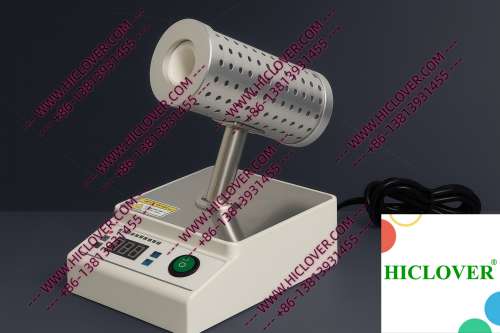
Micro incinerators, particularly the Infrared Inoculating Loop Sterilizer, utilize state-of-the-art infrared heat technology. This method highlights an enclosed ceramic heating chamber that rapidly reaches high temperatures, allowing for instant sterilization of inoculating loops, needles, and other instruments without the safety hazards associated with traditional flame sterilizers like alcohol lamps or Bunsen burners.
Advantages Over Traditional Flame Sterilizers
- Enhanced Safety: The micro incinerator eliminates open flames, drastically reducing the risk of accidents in clean rooms and busy laboratory settings.
- Rapid Sterilization: Infrared technology provides quick thermal sterilization, often completing the cycle in less than 10 seconds.
- No Aerosol Production: Unlike traditional methods, micro incinerators prevent aerosol generation, thus minimizing contamination risks.
- Clean-Bench Safe: The design ensures minimal disruption to the sterile environment of biosafety cabinets.
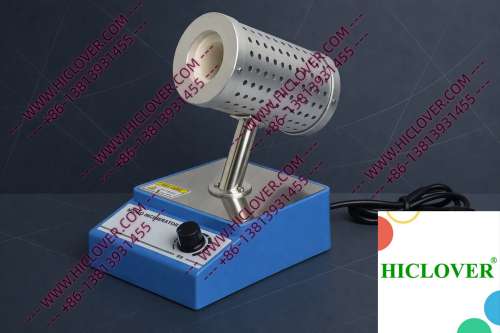
Applications in Laboratory Settings
Micro incinerators are versatile tools applicable across various laboratory contexts. Below are two scenario-specific applications where micro incinerators excel:
1. Teaching Labs in Universities
In university settings, particularly during microbiology courses, the need for effective sterilization of inoculating loops becomes integral to lab workflows. Implementing micro incinerators in these teaching labs allows students to practice contamination control safely without the inherent risks of flames. The rapid sterilization process enhances hands-on learning experiences, ensuring that students understand the principles of sterilization while minimizing accidents and exposure to harmful aerosols.
2. Mobile Field Testing Laboratories
Field testing laboratories face unique challenges, especially in remote areas where resources may be limited. The portable design of micro incinerators facilitates on-site sterilization of instruments, crucial for maintaining sterile conditions in microbial assessments of water or soil samples. By utilizing an infrared inoculating loop sterilizer, field researchers can ensure their tools are free from contaminants before proceeding with examinations, making it an essential component of eco-friendly field protocols.
Compliance with Sterilization Standards and Biosafety Considerations
Adhering to international biosafety standards is critical for laboratory operation. The World Health Organization (WHO) lays down stringent guidelines on biosafety and laboratory sterilization. Micro incinerators align with these standards by providing a flame-free solution that is compliant with laboratory safety regulations. This is especially vital in maintaining sterile environments in clean rooms, where a no-flame policy is a must.
Effective sterilization practices encompassing the use of micro incinerators provide laboratories with a means to significantly minimize their ecological footprint, contributing to sustainable waste management by efficiently destroying potentially hazardous biological materials without producing harmful emissions.
FAQs
1. What are the main benefits of using a micro incinerator in a lab setting?
Micro incinerators provide rapid thermal sterilization, enhanced safety by eliminating flames, and are clean-bench safe, minimizing contamination risks.
2. How do micro incinerators work?
These devices utilize infrared heat to create high temperatures within a ceramic tube, allowing for instantaneous sterilization of tools without open flames.
3. Can micro incinerators be used in field testing labs?
Yes, their portable design makes them ideal for mobile field testing labs, enabling on-site sterilization of instruments.
4. Are micro incinerators compliant with WHO standards?
Absolutely, micro incinerators comply with WHO biosafety standards by ensuring safe sterilization practices without flame exposure.
5. How does a micro incinerator compare to an alcohol lamp or Bunsen burner?
Micro incinerators offer faster sterilization, significantly reduced risks of fire accidents, and prevent aerosol generation, making them a safer and more efficient option.
Conclusion
The increasing focus on clean energy and sustainable waste management naturally aligns with the adoption of innovative sterilization technologies such as micro incinerators. Their advantages over traditional flame sterilizers make them a must-have in laboratories focused on safety and efficiency. As the demand for sustainable laboratory solutions grows, consider investing in an Infrared Inoculating Loop Sterilizer for your facility. Contact us today to learn more, and elevate your lab’s sterilization practices to the next level!
Categories:
Tags: