
As laboratory environments evolve to meet stringent biosafety challenges, the reliance on traditional flame sterilizers, such as Bunsen burners and alcohol lamps, is being scrutinized. With the increasing focus on rapid thermal sterilization techniques and contamination control, the emergence of micro incinerators, specifically the Infrared Inoculating Loop Sterilizer, is revolutionizing sterilization workflows in laboratories across Brazil.
Understanding the Technical Principles of Micro Incinerators
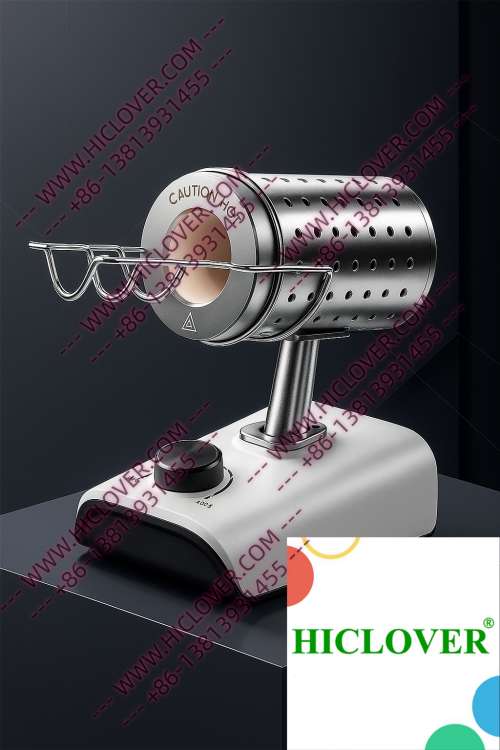
Micro incinerators employ a sophisticated design comprising an enclosed ceramic heating chamber that utilizes infrared heat. This innovative heating method allows for precise temperature control, reaching up to 800°C in mere seconds. The enclosed environment not only ensures high-temperature disinfection but also significantly reduces the risk of aerosol exposure and contamination, making them particularly suitable for BSL-2 and BSL-3 labs.
In contrast to traditional flame sterilizers, which require open flames and often generate aerosols, the infrared system achieves clean-bench-safe sterilization. The incorporation of infrared technology creates a rapid thermal response that enhances the effectiveness and efficiency of sterilization processes. Furthermore, the compact size of micro incinerators makes them an optimal choice for various laboratory settings.
Applications of Micro Incinerators in Laboratory Settings
1. Biosafety Cabinets
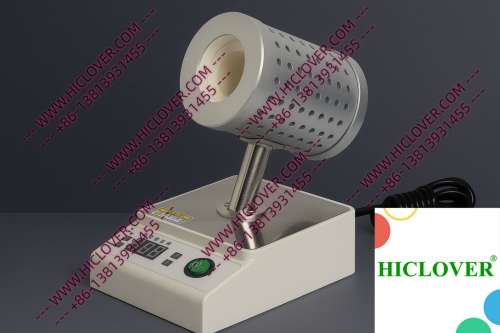
In clinical diagnostics labs, especially those operating in biosafety cabinets, the integration of micro incinerators streamlines sterilization workflows. The immediate heat generation allows laboratory personnel to sterilize inoculating loops and other instruments efficiently without leaving the safety of the cabinet, thus minimizing exposure to biohazardous materials. This results in a faster turnaround time and enhanced safety, making it ideal for tasks involving pathogens and infectious agents.
2. Field Testing Laboratories
Micro incinerators are also invaluable in mobile or field testing settings where laboratory infrastructure might be limited. For instance, NGOs working on environmental health can utilize micro incinerators to sterilize sampling equipment on site, ensuring that sample integrity remains uncompromised while maintaining safe sterilization practices. This capability directly aligns with WHO guidelines for fieldwork and biosafety protocols.
Compliance and Environmental Considerations
Adhering to international biosafety standards is crucial in laboratory environments. Organizations such as the World Health Organization (WHO) advocate for stringent laboratory sterilization standards to prevent contamination and ensure safety. Micro incinerators meet these standards by providing a no-flame solution, which is essential in clean rooms where flammable materials and open flames pose significant risks.
As laboratories are under constant pressure to conform to both local and international regulations, choosing micro incinerators for sterilization aligns with best practices in contamination control. Furthermore, micro incinerators contribute to reducing the carbon footprint associated with traditional sterilization methods, integrating with Brazil’s growing emphasis on sustainable practices in modern laboratories.
Advantages of Micro Incinerators over Traditional Flame Sterilizers
| Feature | Micro Incinerators | Flame Burners |
|---|---|---|
| Temperature Accuracy | High-temperature precision | Variable, often difficult to control |
| Aerosol Generation | Aerosol-free handling | Commonly generates aerosols |
| Safety | No open flames, safer usage | Risk of burns and fires |
| Energy Efficiency | Rapid heating, energy-efficient | Longer heating times, inefficient |
| Portability | Compact design for mobility | Typically less portable |
FAQs about Micro Incinerators
What is a micro incinerator and how does it work?
A micro incinerator is a sterilization device that uses infrared heat in an enclosed ceramic chamber to achieve rapid and effective sterilization of laboratory tools, minimizing the risk of contamination.
Are micro incinerators safe to use in BSL-2 and BSL-3 labs?
Yes, micro incinerators are designed to minimize exposure to aerosols and utilize no open flame, making them compliant with biosafety standards for BSL-2 and BSL-3 laboratories.
How do micro incinerators compare to traditional flame sterilizers?
Micro incinerators offer greater temperature accuracy, increased safety due to no open flames, and reduced aerosol generation compared to traditional flame sterilizers like Bunsen burners.
Can micro incinerators be used in field laboratories?
Absolutely! Micro incinerators are portable and can efficiently sterilize equipment in remote field testing environments, ensuring compliance with biosafety protocols.
What industries benefit from using micro incinerators?
Industries including clinical diagnostics, research institutions, and educational laboratories, particularly those focusing on biosafety, benefit significantly from utilizing micro incinerators for sterilization processes.
Conclusion
The future of clean waste disposal in laboratory settings, particularly in Brazil, is set to be transformed by micro incinerators. With their rapid sterilization capabilities and increased safety, these devices offer a sustainable, compliant, and efficient solution to meet the rising demands of modern laboratory environments. If you are looking to enhance your laboratory sterilization processes, consider contacting us to learn more about the advantages of switching to micro incinerators.
Categories:
Tags: